
4 Ways To Smash Your Anxiety To Smithereens In Under One Minute
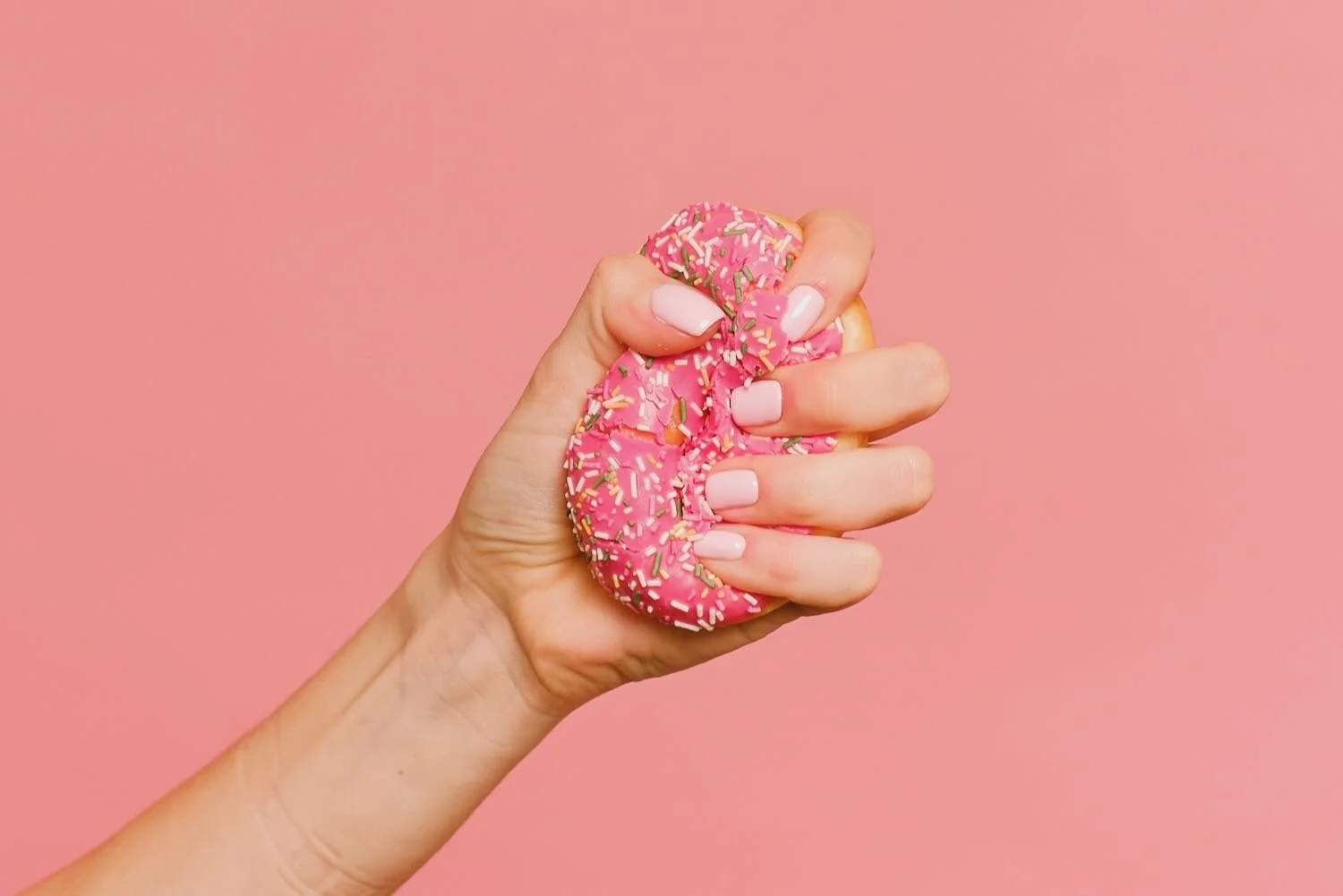
Smash!
by The Candidly Team
We’re on a personal quest to be less … tolerant … of our anxiety. Not just our stress, but our anxiety!
Did you know there was a difference?
Stress is typically a result of something happening to you externally: you’re under pressure at work, taxes are due, perimeno has your energy plummeting, your neighbor is badgering you about the branches on your rose bush again. That kind of thing.
Anxiety, on the other hand, can come from the inside, appearing almost out of thin air. As the American Psychological Association puts it, anxiety is “defined by persistent, excessive worries that don’t go away even in the absence of a stressor.”
No stressor? Lovely.
Even if its symptoms are the same or very similar to stress, anxiety can hit out of left field, which means we can really use some immediate tools to hit back.
We dug around for a few very, VERY quick things we can try to calm our nervous systems when anxiety creeps in, and here are 4, as well as one kinda squishy bonus activity that’s still worth a try in our opinion.
We hope you don’t need any of these, but if you do, we got you.


1. Sigh, but not in the way you think.
Technically, it’s called cyclic sighing, and it’s a type of breath work. Here’s all you do:
Inhale slowly, preferably through your nose. Once your lungs are expanded, inhale once more to fill your lungs. Don’t worry if your second inhale is shorter and smaller in volume.
Slowly and fully exhale all your breath, preferably through your mouth.
If you sit down and repeat this pattern of breathing for all of 5 minutes, a Stanford Study showed it can reduce anxiety in a similar manner to mindfulness meditation, and can improve mood and reduce respiratory rate even more .
Here’s a video to illustrate just how easy it is:
2. Splash cold water on your face (yup, like in the movies); it really works
Nothing annoys us more than a character in a life-threatening, clock-ticking emergency, stopping in some fluorescent lit bathroom to splash water on their face. But little did we know, in real life when anxiety hits, that’s precisely what we should be doing. Cold water activates our vagus nerve and reduces acute psychosocial stress responses. It can help slow our heart rate and interrupt our panic response. The water should be cold enough to jolt us. So adding a few ice cubes to a bowl of water, then using that to splash from is great. But in a pinch, you can even just apply ice to the face and neck or glug a bit of ice water.
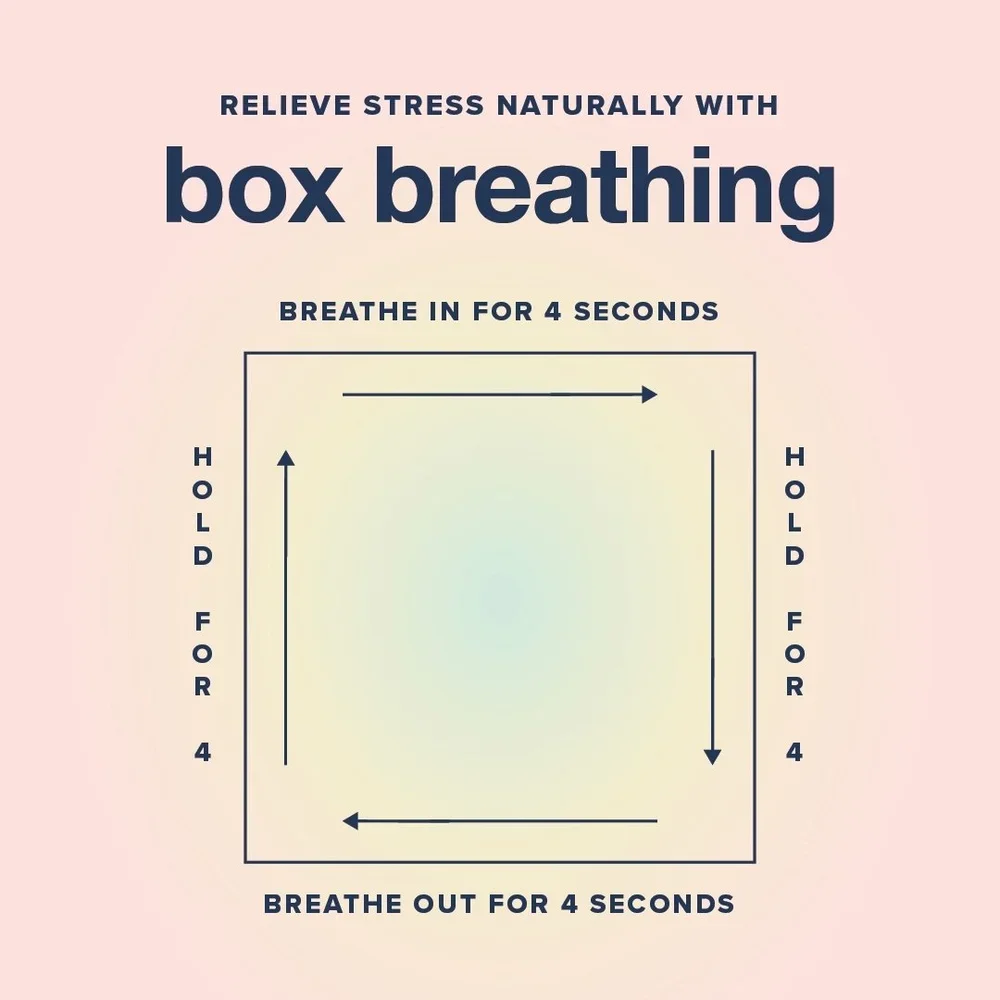
3. Box breathe.
Yes, it’s another breathing thing, but these are the real quick-fix techniques proven to regulate our jumpy nervous system. This is one of the easiest to remember and to execute.
Breathe in for 4 seconds.
Hold for 4 seconds.
Breathe out for 4 seconds.
Hold for 4 seconds.
Like a box, see?
4. Yawn
The speediest technique of all is a simple yawn or a series of yawns. Yawning is like a reset button for your nervous system, and it activates our parasympathetic nervous system, the part designed to conserve energy and invite relaxation. The parasympathetic nervous system helps restore natural breathing, slow the heart rate, and lower blood pressure, all things we need to get back to a state of calm.
Bonus: One final weird thing to try: Stick out your tongue for 40 seconds
It sounds dumb. It looks dumb. And no, it isn’t from a peer-reviewed study but from an online trend claiming that supposedly was set off by a neurologist trying this with a patient and seeing their cortisol levels drop over time. It’s unverified but but also unbelievably doable, so why not try?
Is there really a downside to 3x a day, sticking our tongue out as far as it goes and keeping it there for 40 seconds? We can’t think of one. So let’s be our own guinea pigs, shall we? And please report back if it works.
This article is for informational purposes only. It is not intended to be used in place of professional advice, medical treatment, or professional care in any way. This article is not intended to be and should not be a substitute for professional care, advice or treatment. Please consult with your physician or healthcare provider before changing any health regimen. This article is not intended to diagnose, treat, or prevent disease of any kind. Read our Terms & Conditions and Privacy Policy.
