
Everything You Think About Cellulite Is Wrong. Here’s Why.
It’s not a “fat” issue.
If you buy something we link to, The Candidly may earn a commission. Gifted items will be called out (gifted), and affiliate links will include an asterisk (*). We have to eat, after all.
by The Candidly Team
Is it weird that we, a website that calls ourselves The Candidly, rarely touch on the topic of cellulite?
Part of it has to do with a basic belief that “the world has to change, not us” and that just writing about it can feel like we’re agreeing that it’s yet another thing women have to correct about ourselves.
But on the flip side, are we reeeaally being candid if we pretend like we wouldn’t jump at a miracle cure? Or that we don’t resort to the occasional, late-night purchase of some weird contraption or cream we saw on Instagram TikTok?
We actually think that cellulite deserves a sort of meet-in-the-middle approach, one where we both make peace with its likely inevitability and also do the things we can do to look and feel our best.
It might not sound like the sexiest of options. It might not hold the promises of all those sparkly peddled products on TikTok, but it isn’t all bad news either.
There are ways to make our textured flesh look good/better/cuter/firmer, smoother/ glowier etc. etc.
And there’s a better way to understand cellulite that can light the path for your own personal approach. So if you’re ready to get proactive and maybe even a little experimental, let’s get into it:

The one big thing we have to accept:
Cellulite is (annoyingly) mysterious. Even after all these years of lamenting, we don’t know as much about it as we’d like.
We do know what it is: a harmless condition affecting 80% and 90% of post-pubescent women that makes skin appear dimpled and lumpy, especially around the thighs, butt, and belly or anywhere we’re likely to store more fat.
We know it involves the pushing and pulling between the cords that connect the skin to the muscle and the fat in between.
We know women tend to be the main ones affected. We’re also more likely to store fat in certain ways on our thighs, butts, bellies etc.
We know that more fat can lead to the appearance of more cellulite, but also that very skinny, fit individuals can also have cellulite. In fact, it isn’t really a “fat” issue at all.
All of this leads us to more questions than answers, and the primary one of course is what the hell causes cellulite in the first place? Sadly, that’s the question we’re not that great at answering yet. Nevertheless, it’s believed cellulite could have to do with the following:
Genetics: What can ya do?
Hormonal factors: Estrogen levels in particular. Cue pregnancy, perimenopause, and menopause-related cellulite increases. Yippee!
Aging: Skin loses elasticity and connective tissues weaken.
Lifestyle factors: Weight gain, poor diet, lack of exercise, smoking - all of it can make cellulite look more prominent.
Poor circulation: Less circulation and fluid accumulating in tissues around cellulite could exaggerate its appearance. Hence, inactivity possibly making it worse.
Inflammation: This is a theory that basically says chronic inflammation can lead to the connective tissue issue that results in cellulite.
Does that mean there’s nothing we can do about it? Nope.
The biggest slap in the face when it comes to cellulite is that there isn’t a lot of research out there saying there are things we can do to get rid of it.
But that’s not to say there aren’t options to explore that could make a difference for our own personal cellulite woes. Think of it a little like wrinkles - we’re not gonna stop aging altogether, but we can do things to look and feel more confident.
Some of them are lifestyle, some of them are skincare, and while none of them are yet to be shown as permanent “cures” to eliminate the issue altogether, they can be seen as ongoing measures that can help.
1. THE LIFESTYLE STUFF
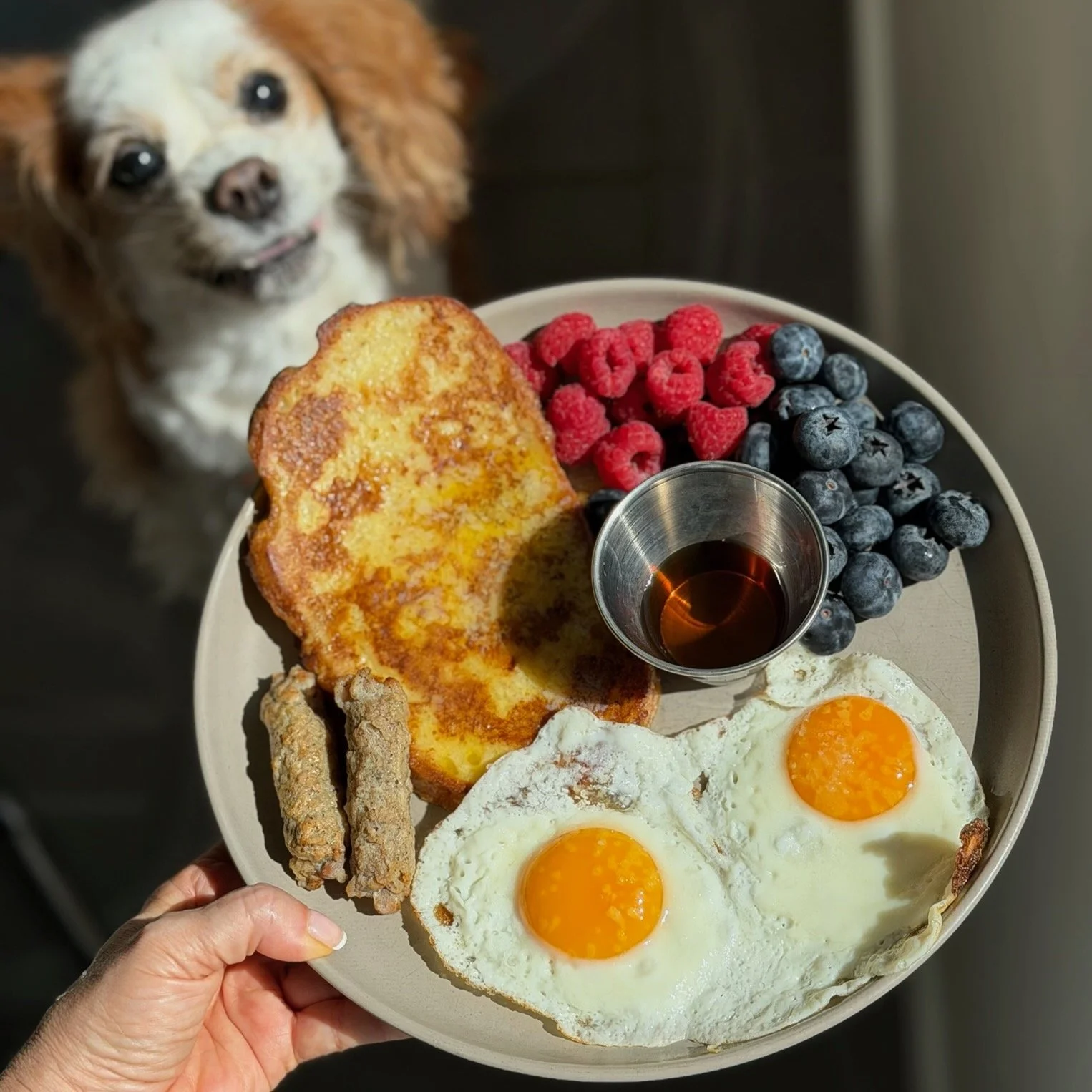
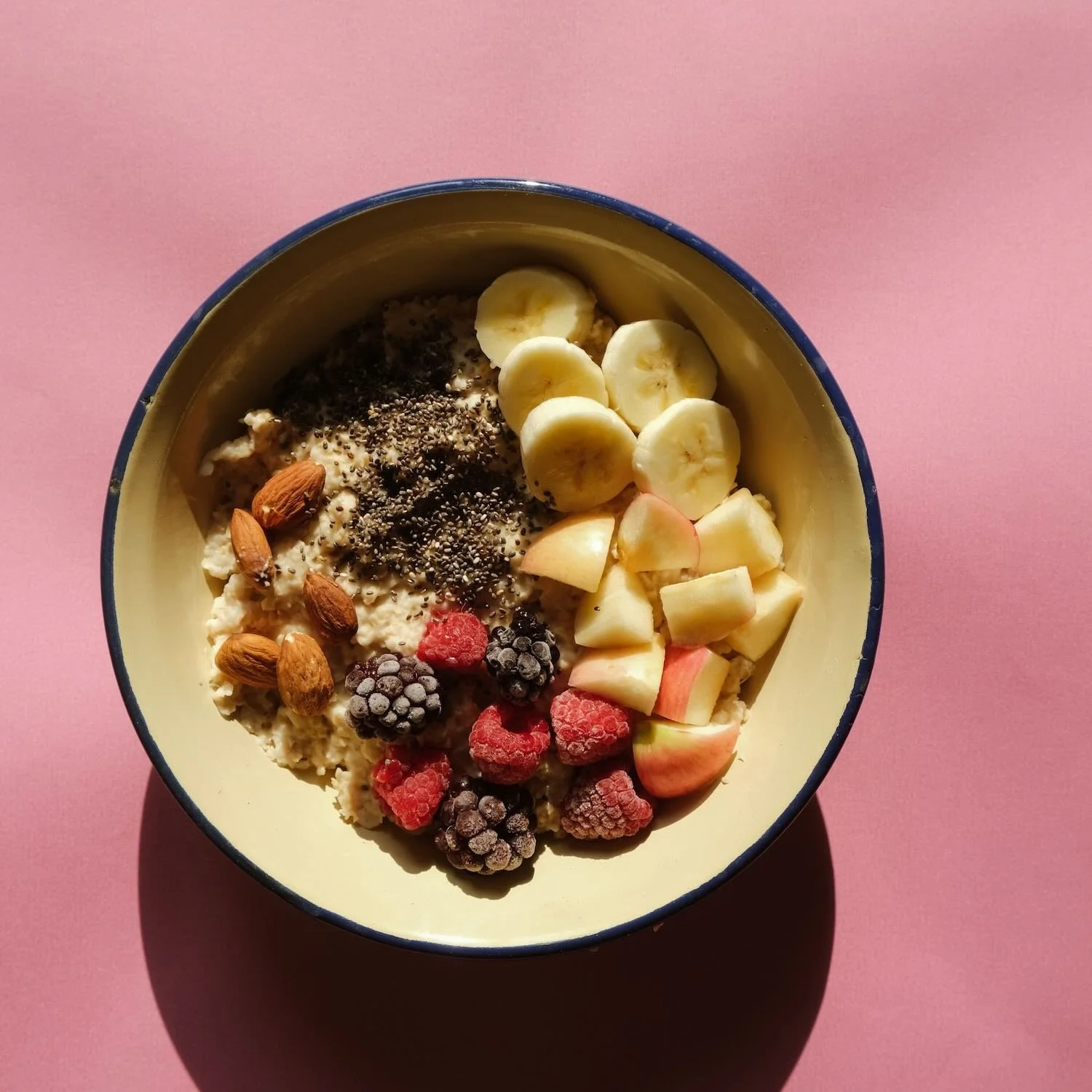
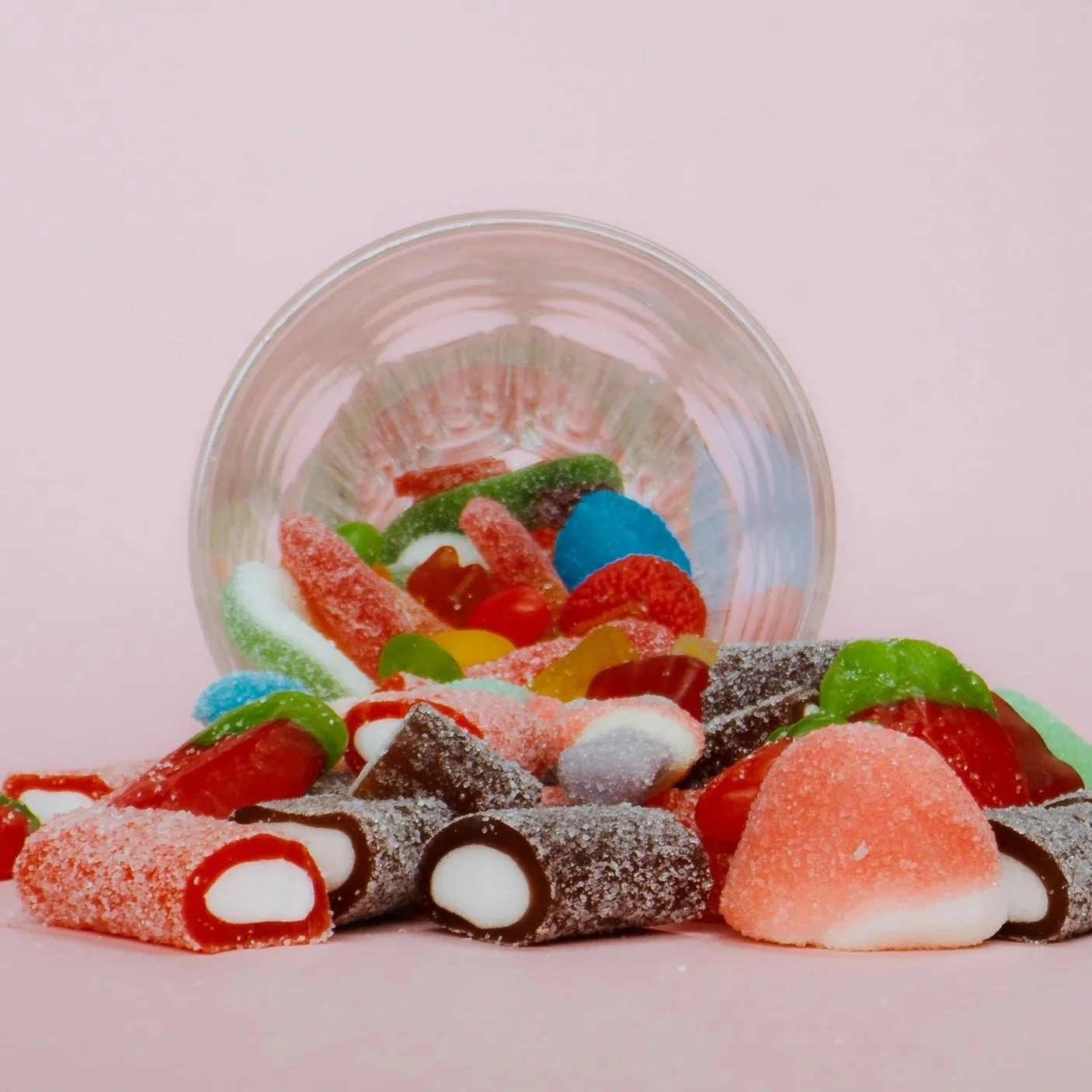
Diet and weight: According to The Cleveland Clinic, it’s best to try to avoid processed and high fat foods as well as refined sugars, because they bump up cellulite risk (pun very much intended). Lots of sodium, carbs, and calories could do the same. Sticking to whole foods and an anti-inflammatory diet is the best approach.
Gaining weight, in general, can increase the appearance of cellulite, so all those healthful food goals we have for ourselves anyway because we want to do things like live longer can only do you more good when it comes to cellulite.
Exercise: Lots of very fit women still have cellulite, and that’s absolutely fine. But have you noticed that when they’re toned, the cellulite just kind of looks better on them? Our sedentary ways (think excess sitting), smoking, and alcohol can all make cellulite look more extreme. Exercise, on the other hand, can improve the appearance of cellulite by boosting muscle mass and amping up our bloodflow. Again, all good things anyway, so worse case scenario, your cellulite stays the same but you improve every other aspect of your health.
2. THE SKINCARE STUFF
This is where things can get a little iffy. Any evidence of creams (caffeine-based, retinol-based, or other) working on cellulite are limited or anecdotal at this point. Because of that, we’re just going to share with you the three things that have made the biggest difference for us in our own, personal experience:
Self-tanner: It sounds silly but it’s a bit like foundation in that it really does improve the appearance of our lumpiest skin. We use THIS* one, because it’s a natural sun-kissed finish and the foam doesn’t leave streaks.
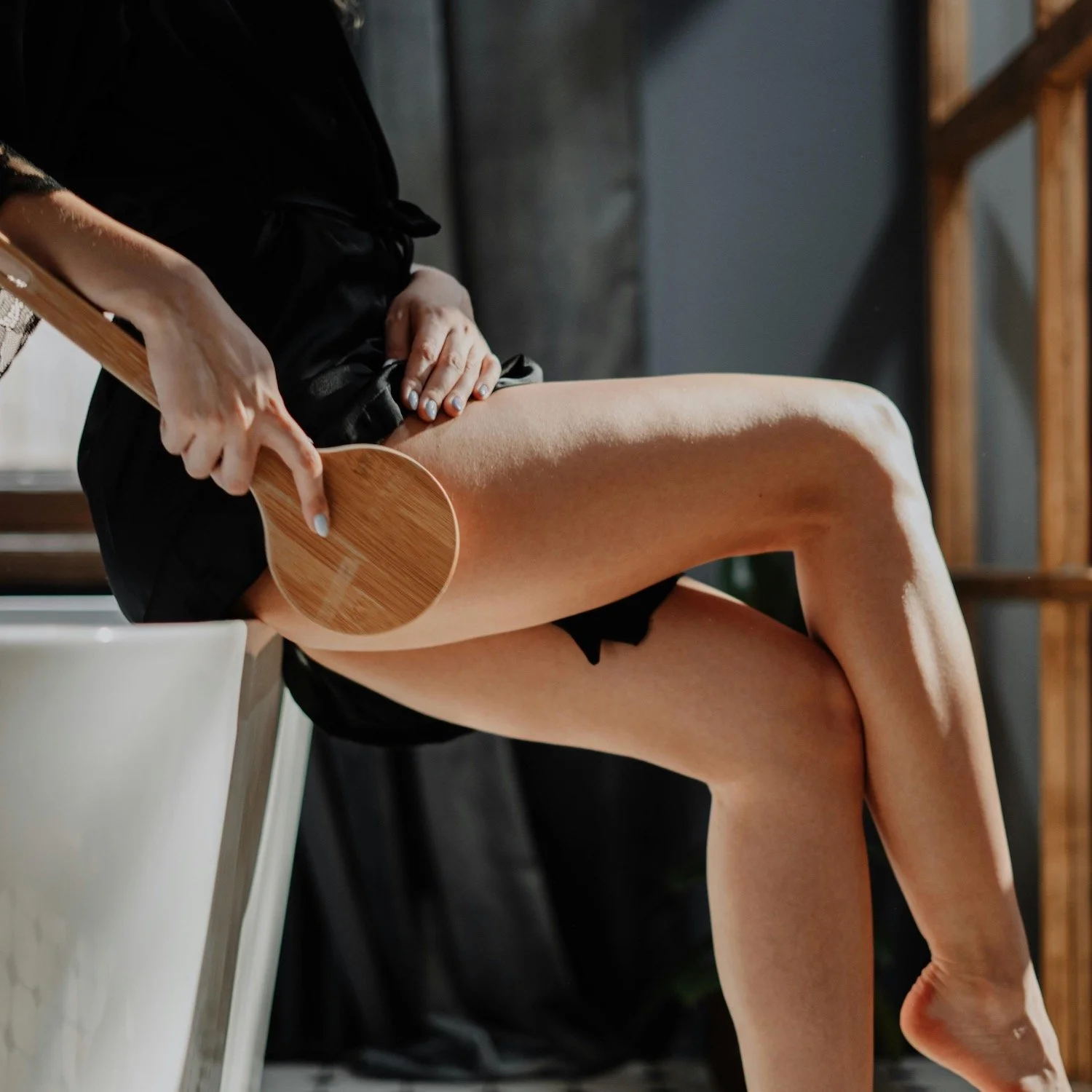
Dry brushing: This method of exfoliation can stimulate circulation and temporarily make the surface of your skin look plumper which in turn can make cellulite less prominent. Also whatever cellulite we have just looks better on healthy, moisturized, and youthful skin than dry, crepey skin. THIS* brush is a great, easy option.
Body oil: We are not scientists. Nor are we influencers who are sponsored by these brands, but we recently started applying THIS* body oil we were sent, which is actually designed to help with stretch marks, and we actually LOVE the way it makes our legs look in the immediate sense. Smoother, glowier, younger, and less pigmented.
3. THE TREATMENT STUFF
There are all kinds of massages and lasers and therapies being explored that honestly require a whole article onto themselves. The problem is reviews are either mixed or limited thus far in terms of their effectiveness, but we promise when we know more and have something remotely smart and informed to say, we’ll get you an article all about those.
4. NOW FOR ONE FUN, WILD, AND WITCHY (OR MAYBE NOT SO WITCHY) THING
Who are we if not up for an adventure? And this particular adventure starts with chokeberries and tart cherry juice: You read that correctly. One (albeit small) study showed that supplementing one’s diet based with chokeberry and tart cherry juices over about a month improved cellulite, a finding researchers believed “could be connected with microcirculation improvements.” It’s thought that in general, foods high in polyphenol such as chokeberries and tart cherries, could be good for circulation, skin health, and far more importantly, for our brain and body health.

One final and kind of nice note to end on:
Cellulite is formed from subcutaneous fat, a kind that lies just under the skin. This is different from a more dangerous type of fat called visceral fat, an internal layer that builds up between the organs and deep inside our bellies. Visceral belly fat is proving to be much more harmful than the fat we associate with cellulite, so while maintaining a healthy weight is always going to be a part of our health journey, cellulite itself is just an annoying cosmetic issue. So if you’re a pear shape who carries your weight around your hips and butt, learn to appreciate those dimples because it could be better for you in the long run.
This article is for informational purposes only. It is not intended to be used in place of professional advice, medical treatment, or professional care in any way. This article is not intended to be and should not be a substitute for professional care, advice or treatment. Please consult with your physician or healthcare provider before changing any health regimen. This article is not intended to diagnose, treat, or prevent disease of any kind. Read our Terms & Conditions and Privacy Policy.
