
This Fruit (Might) Improve The Look Of Cellulite. Here's Why We See No Harm In Trying It.
A bit of fun news in the world of cellulite.

If you buy something we link to, The Candidly may earn a commission. Gifted items will be called out (gifted), and affiliate links will include an asterisk (*). We have to eat, after all.
by The Candidly Team
Sigh. We know.
Some of you have only clicked into this article to get mad at us for writing such an article.
How dare we circulate weird studies and perpetuate the myth that cellulite is yet another thing women have to fix about themselves?
That said, we’re talking about a fruit here. A fruit that can benefit us in far more ways than smoothing the dimples on our thighs.
So what do you say? Can’t we just enjoy this?
I mean, it’s pretty bonkers to have a study showing any fruit could help with cellulite. No? We must learn more. Right?
Right. Okay. So for those of you who are still with us and not off fuming in our comments section, let’s get to it.
The fruit in question is…
Tart cherries and chokeberries.
And if you’re wondering what on earth is a chokeberry, fear not. We’ll lay it all out.




But First A Bit About Cellulite
Cellulite is simultaneously a bit of a mystery and pretty misunderstood. So before we talk berries, let’s run through a very quick cellulite 101.
It’s a harmless condition affecting like 80 to 90% of women that makes skin appear dimpled and lumpy in pretty much any area we’re most likely to store fat. It involves the pushing and pulling between the cords that connect the skin to the muscle and the fat in between, henceforth more fat can lead to the appearance of more cellulite. However, as we all know, you do NOT have to be overweight to have cellulite. In fact, here’s what determines how much cellulite will show up on our bods:
Genetics
Hormones, estrogen especially
Aging and skin elasticity loss
Weight gain
Poor circulation
Lack of exercise
Smoking
Inflammation
The Study
So the study that led to this article found that subjects who supplemented their diets with chokeberry and tart cherry juice over the course of a month saw a diminished appearance of cellulite. Researchers thought this effect could be connected to “microcirculation improvements.”
Why Tart Cherries And Chokeberries?
These dark fruits are high in antioxidants, polyphenols, which can benefit circulation, skin health as well as brain and body health. One particular polyphenol called anthocyanins give certain fruits and veggies their dark red/ purple color and have mind-blowing health rewards which we dove deep into HERE.
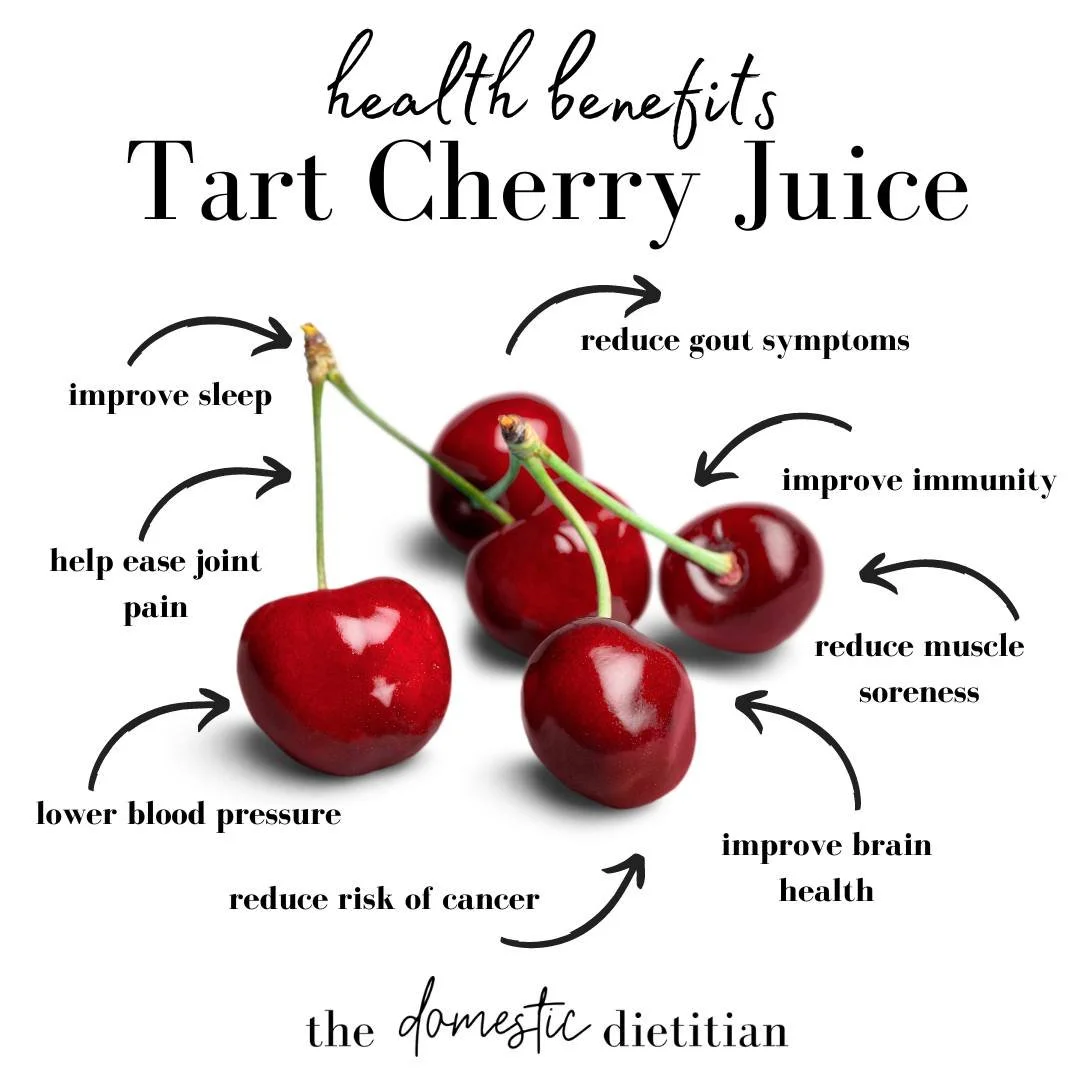
And because we’re not complete jackasses who are gonna make this entire article about cellulite, here are some of the most titillating health rewards of these fruits:
Tart Cherry Juice
Could help with brain health and fighting memory loss
Could help fight infections and boost immunity
May have anti-cancer properties
May help with lowering blood pressure
Can help ease soreness after a workout
Could help with building muscle
Contains melatonin which could help you sleep better
Might reduce uric acid levels, a chemical that can spark a gout flare up
Could help blast belly fat
Chokeberries (also called Aronia)
Could help protect your cells from free radicals
Might help protect against cancer
Could help with healthy digestion
Can boost the immune system
Can benefit heart health
Where the heck do I get my hands on them?
Tart cherry juice is available at many a supermarket. You can also order it online*. As for chokeberries or aronia, you can buy a dried version*. There are also powdered forms and pill forms but definitely, definitely consult your doctor before starting any supplement. Please and thank you.
This article is for informational purposes only. It is not intended to be used in place of professional advice, medical treatment, or professional care in any way. This article is not intended to be and should not be a substitute for professional care, advice or treatment. Please consult with your physician or healthcare provider before changing any health regimen. This article is not intended to diagnose, treat, or prevent disease of any kind. Read our Terms & Conditions and Privacy Policy.
