
Heres Exactly How To Find Out Your Enneagram Type And How To Use It Successfully Even Though There Is ZERO Science Behind This
Where my other 2s at?
by The Candidly Team
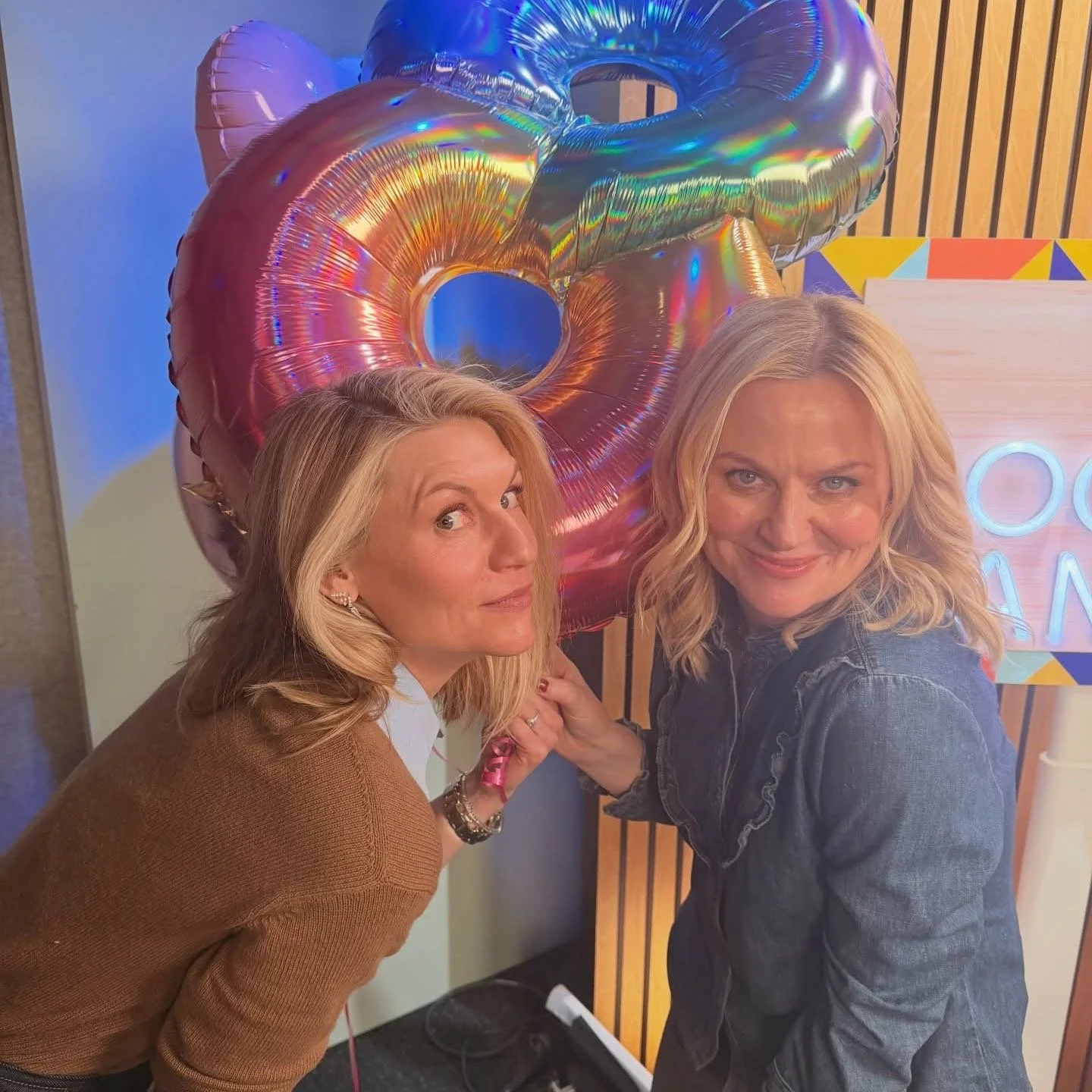
If you’ve tuned in to pretty much any episode of Amy Poehler’s podcast, A Good Hang, or if you’ve just spent more than 3 minutes on Instagram or Tik Tok lately, you’ve probably heard of an enneagram type. You may know that each one represents a different personality profile, and you may know there are 9 of them.
But what does it all really mean? What is your enneagram number? And why, if at all, should you care?
Well, we’re here to give you the answers you seek. Here is our own “candid” rundown on the enneagram and why you might find it more useful and less woo woo than you expect.


What is an enneagram?
The actual enneagram is a geometric shape that looks a little technical, but basically each point on the figure just represents a specific personality type. Here is a visual:
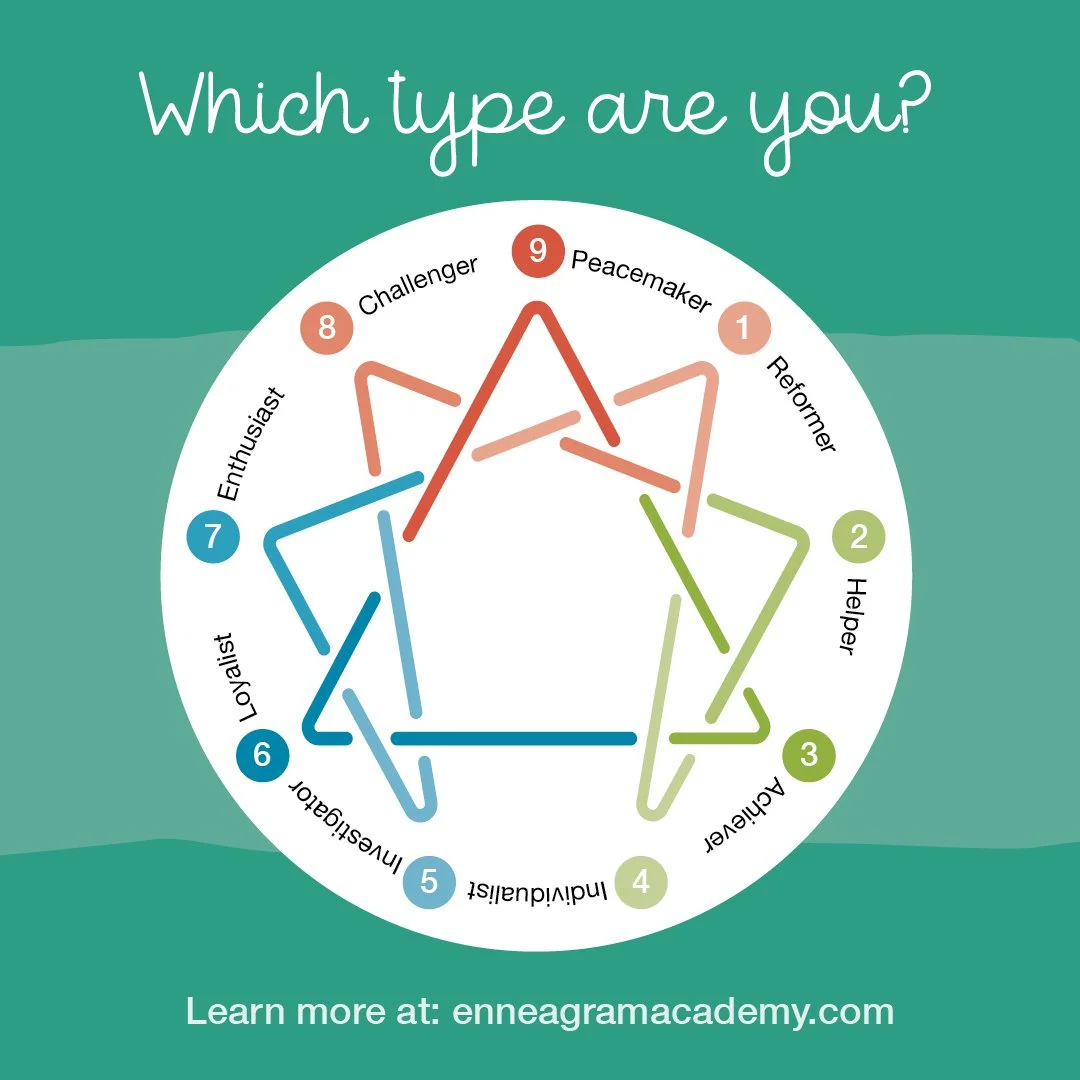
Now there are certain subsections if you will that describe whether each enneatype falls into the category of a Thinking, Feeling, or Instinctive “center’ or if they are most affected by the emotions of anger, shame, or fear. But this gets us a little further into the weeds so for the purposes of understanding which type you fall into in this article, we’ll stick to the main 9 personalities.
Why does any of this matter?
On the one hand, the answer for some might be be deep and philosophical. “Knowing yourself is the beginning of all wisdom,” wrote Aristotle. Or maybe you’re just bored and curious and grew up on Seventeen Magazine quizzes, and simply want to find out if you’re an “achiever” or a “peacemaker.”
And guess what? Either answer is okay, because the point of learning your enneatype is purely to understand yourself better, but not just to understand who you are but why you are that way by revealing your basic fears and desires, which can help shape your goals.
And who doesn’t want to know all that?
How do I know which enneatype I am?
As you can imagine, there are many online tests like THIS ONE , but here are the main bullets of each enneagram type. Tip: if you’re skimming this, the best place to start is with fears and desires. The ones that sound most familiar to the voice in your head are probably going to point you to your type.
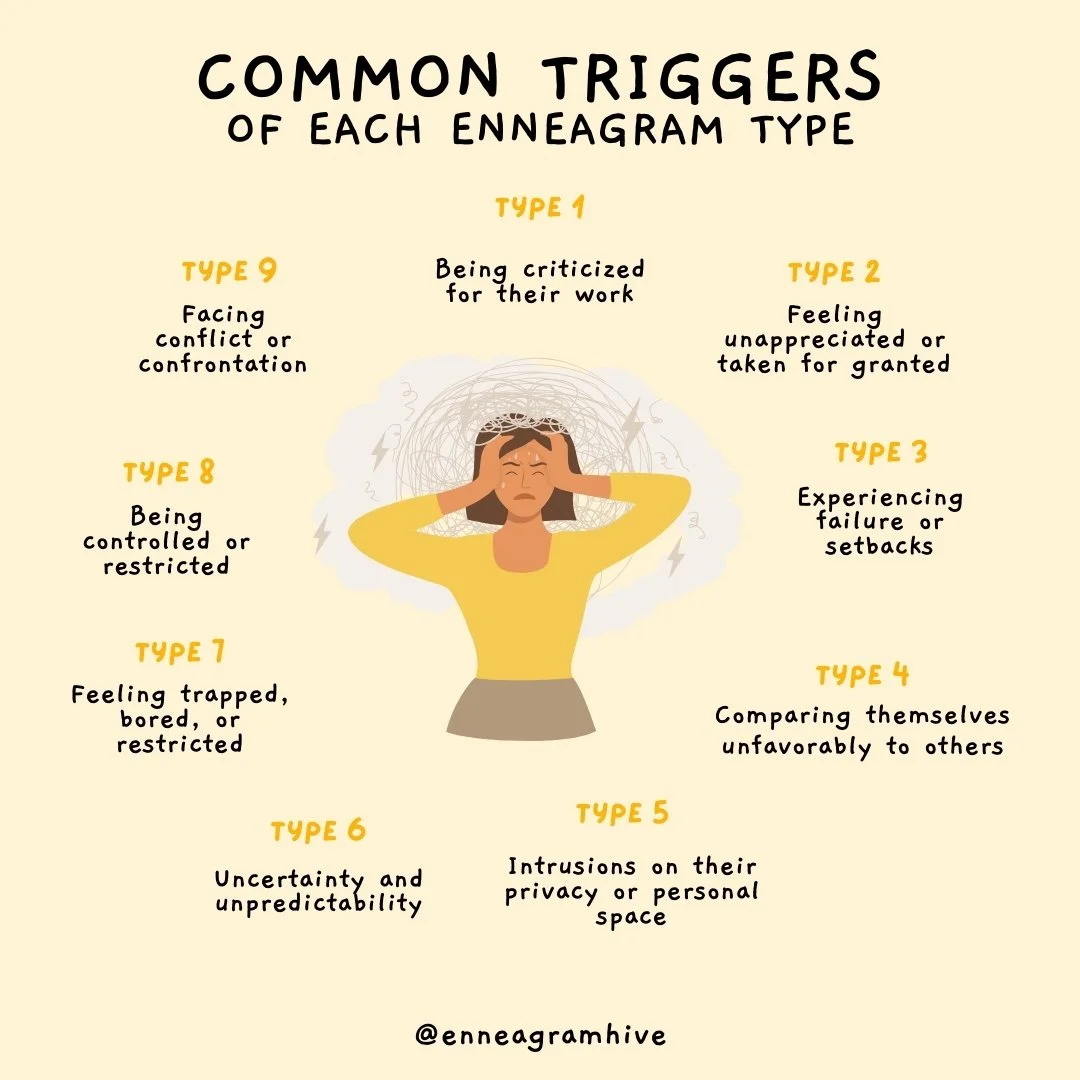
1. THE REFORMER
Key Traits: Guided by reason and ethics but with plenty of idealistic goals. Reformers have a sense of duty, purpose, and self-discipline that can bend toward perfectionism.
Downfalls: Impatience and a tendency to be critical or excessively scrupulous
What They Want Most: To be moral and do good in the world
What They Fear Most: Being ineffective, immoral, or justifiably criticized
In Good Company With: Joan of Arc, Martha Stewart, Meryl Streep
2. THE HELPER
Key Traits: Loving, generous, genuine, loyal, sentimental, and people-pleasing.
Downfalls: Tends to ignore their own needs, can have an exaggerated desire to be needed, and leans toward possessiveness
What They Want Most: To love and be loved
What They Fear Most: Feeling unwanted or unloved
In Good Company With: Dolly Parton, Eleanor Roosevelt, Elizabeth Taylor
3. THE ACHIEVER
Key Traits: Goal-driven, practical, energetic, charismatic, capable, success-oriented
Downfalls: Can be competitive, overly concerned about how others perceive them, or a workaholic
What They Want Most: To feel valued and successful
What They Fear Most: Failing and feeling worthless
In Good Company With: Oprah Winfrey, Andy Warhol, Paul McCartney
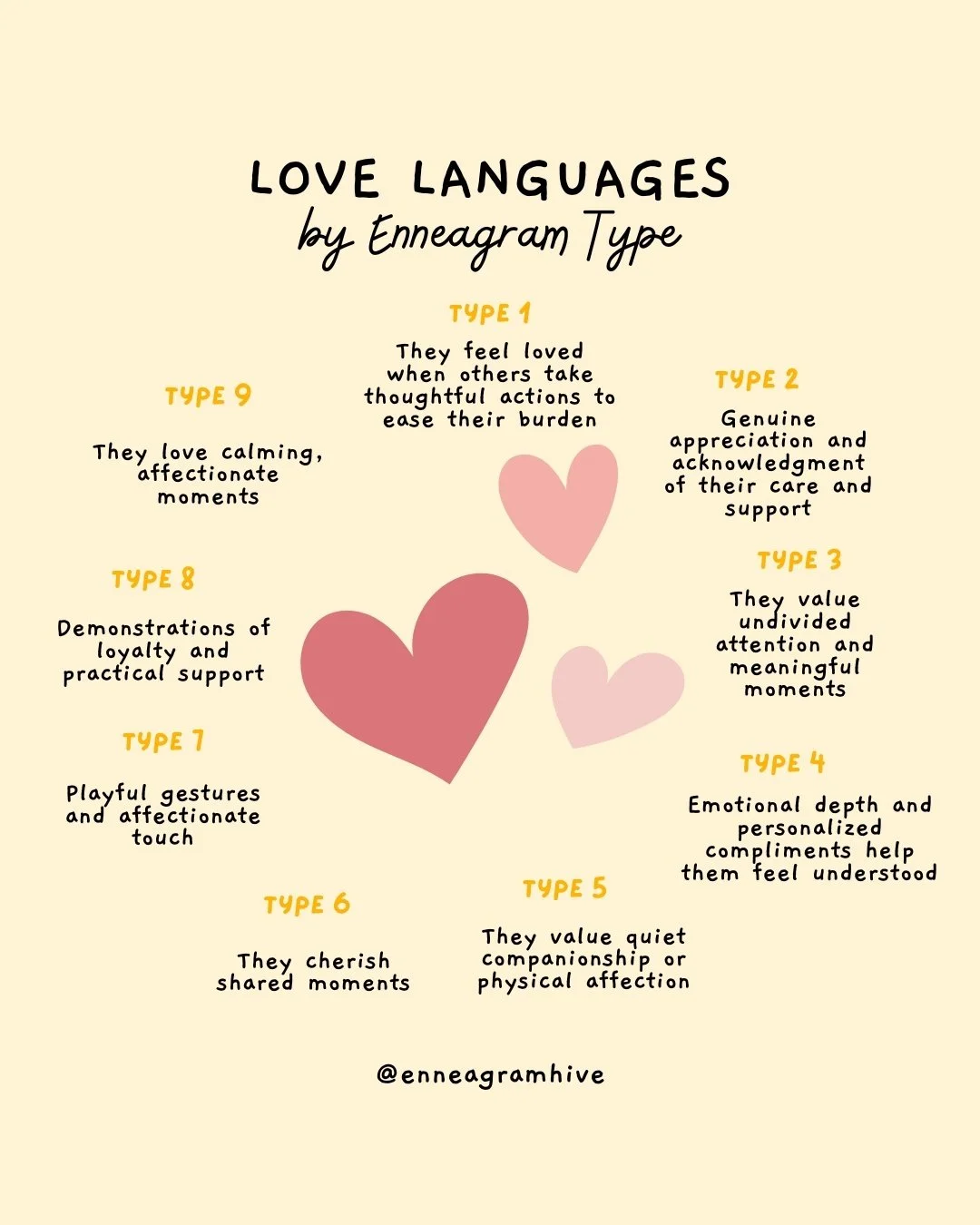
4. THE INDIVIDUALIST
Key Traits: Creative, sensitive, self-conscious, introverted, honest, and sometimes temperamental
Downfalls: Self-critical, moody, prone to feeling sorry for themselves
What They Want Most: Self-discovery and to create beauty
What They Fear Most: Feeling insignificant or lost
In Good Company With: Jackie Kennedy Onassis, Virginia Woolf, Frida Kahlo
5. THE INVESTIGATOR
Key Traits: Curious and visionary with plenty of focus insight, and a sense of independence
Downfalls: Can be intense, isolated and reactive
What They Want Most: To acquire knowledge, understand the world, and innovate ideas
What They Fear Most: Feeling useless or incompetent
In Good Company With: Albert Einstein, Jane Gooddall, Emily Dickinson
6. THE LOYALIST
Key Traits: Consistent, reliable, capable, dedicated, supportive
Downfalls: Can be anxious, defensive, prone to complaints, and/ or insecure
What They Want Most: Security, security, security
What They Fear Most: Lacking the security and support of others
In Good Company With: Mark Twain, Diane Keaton, Marilyn Monroe
7. THE ENTHUSIAST
Key Traits: Extroverted, fun, spontaneous, bright, and active, but can spread themselves thin and get chaotic
Downfalls: Prone to impatience, lack of focus, and disorganization
What They Want Most: The pursuit of happiness and adventure
What They Fear Most: Missing out and dealing directly with pain
In Good Company With: Amelia Earhart, Leonard Bernstein, Steven Spielberg
8. THE CHALLENGER
Key Traits: Forthcoming leaders who can make decisions and feel strong, self-confident, and powerful
Downfalls: Can be fiery, intimidating, self-righteous, or argumentative
What They Want Most: Strength and control
What They Fear Most: Powerlessness and vulnerability
In Good Company With: Martin Luther King, Jr, Pablo Picasso, Serena Williams
9. THE PEACEMAKER
Key Traits: Goes with the flow, supports and listens to others, stays upbeat, and tries to keep things smooth, peaceful, and enjoyable
Downfalls: Can be stubborn, complacent, forgetting of their own needs, Pollyanna types
What They Want Most: Togetherness, stability, and peace
What They Fear Most: Conflict and loss
In Good Company With: Gloria Steinem, Audrey Hepburn, Mister Rogers
My enneagram number is definitely ____, so now what?
Knowing your enneatype is really just a jumping off point to align your inherent nature with your goals as a person. If you’re a peacemaker who tends to put the ideas and opinions of other first, knowing that can help remind you to make sure you have more of a voice, while using your peacemaker tendencies to broker better outcomes. If you’re an individualist who thrives when working on solo creative projects but also struggles to stay consistent and outwardly focused in relationships, you can work on being more open and less defensive. The idea, though not particularly original, is that knowledge is power. And as a recently diagnosed loyalist, the author of this article will now take her own advice and not worry about you absolutely hating this conclusion.
This article is for informational purposes only. It is not intended to be used in place of professional advice, medical treatment, or professional care in any way. This article is not intended to be and should not be a substitute for professional care, advice or treatment. Please consult with your physician or healthcare provider before changing any health regimen. This article is not intended to diagnose, treat, or prevent disease of any kind. Read our Terms & Conditions and Privacy Policy.
