
A New Food Pyramid Was Just Released. What Does It All Mean?
Let’s tackle this together.
by The Candidly Team
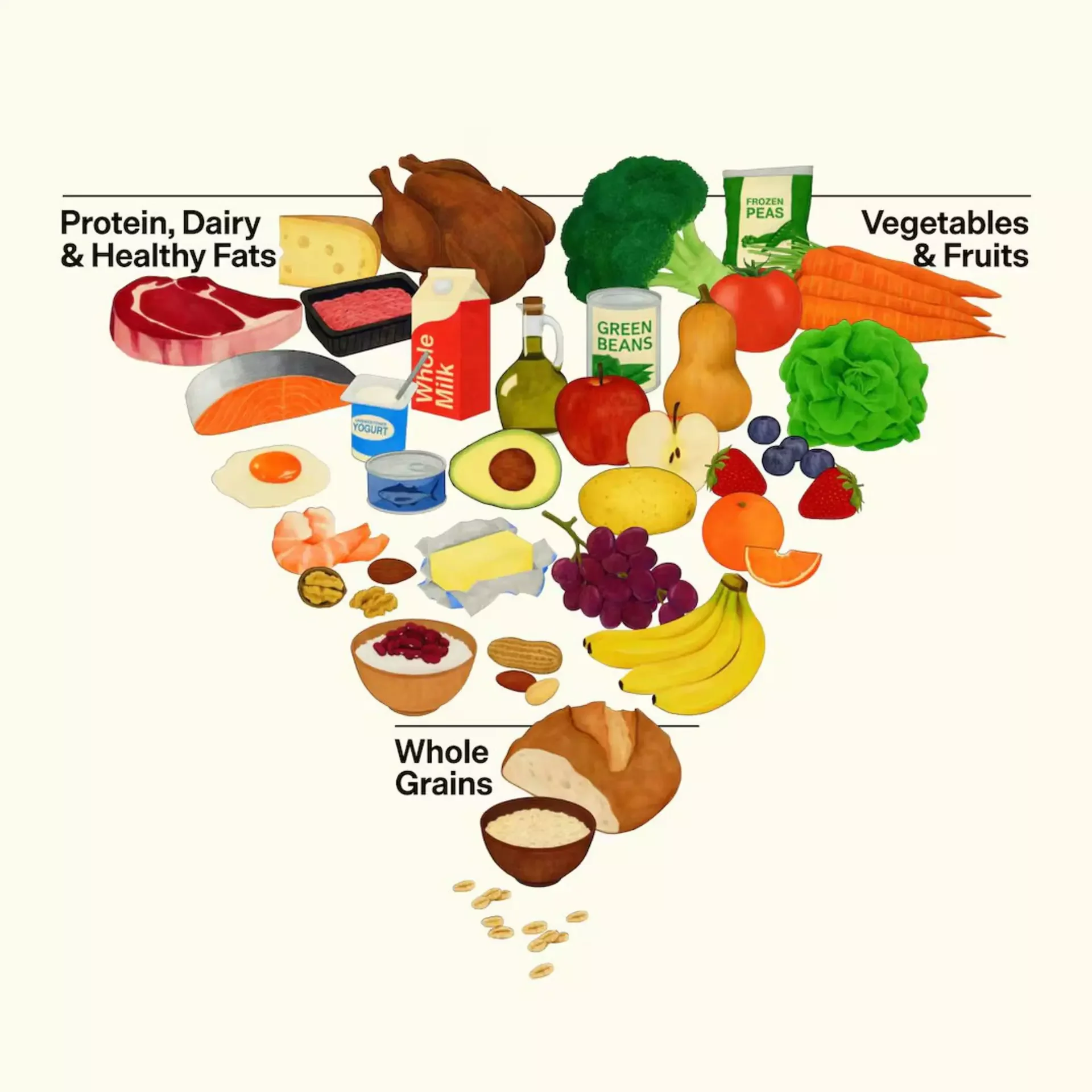
Well, my friends, a new food pyramid was just released. And in the age of medical TikTok and GLP1s and all kinds of voices trying to ram their interests into our “health,” shouldn’t an illustrated triangle seem comparatively straight-forward?
Turns out, not exactly.
The new upside down pyramid looks different than the old one, and it’s left us with some questions.
So today, we give you some of the key takeaways of not just the pyramid (which let’s face it is never going to capture all the nuance of our daily nutrition) but the guidelines that accompany them.


What we agree with:
1. Fewer processed foods will make us all healthier
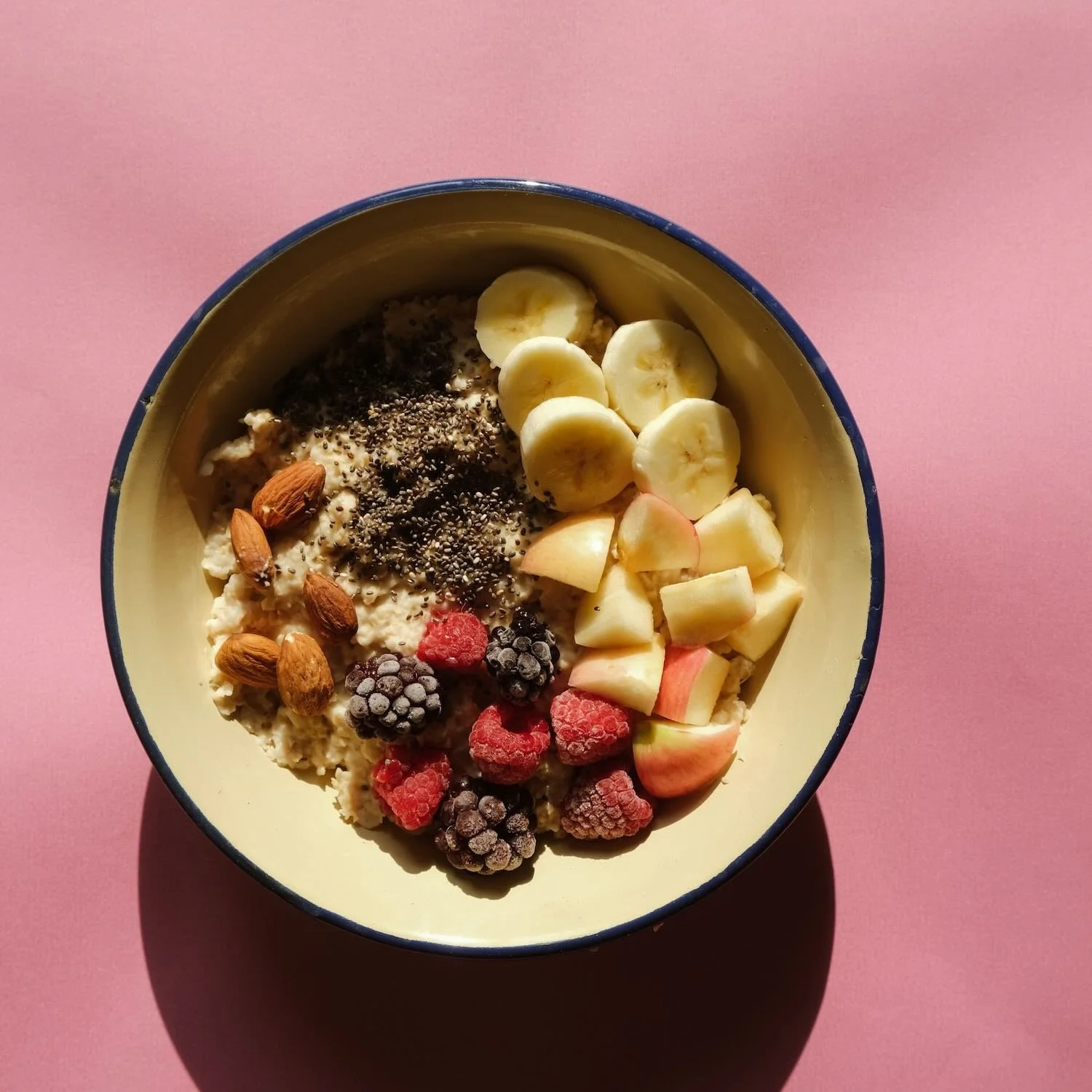
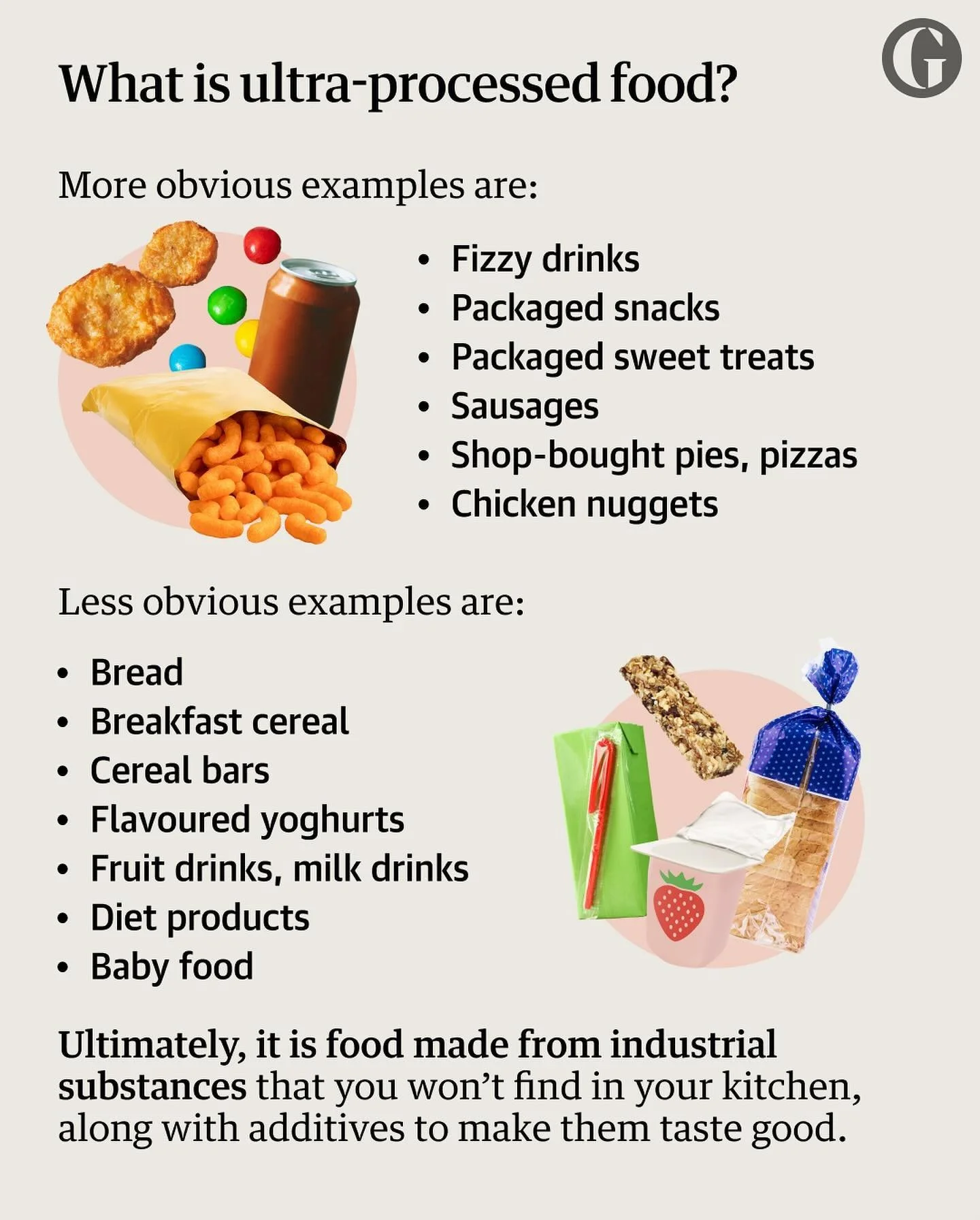
The slogan of the new food pyramid is “eat real food.” It emphasizes the importance of choosing whole foods and avoiding ultra-processed ones. Now, you’ve probably heard this before. But the nice thing is it’s health advice most everyone agrees on. The CDC reported Americans get at least half their calories from ultra-processed foods, which have been linked to higher mortality risk, cardiovascular disease, certain cancers, type 2 diabetes, and obesity.
And of course, what we do need are things like protein and fiber, so the message to prioritize more fruits and veggies, lean proteins, and whole grains is a good one. That said, more than 70% of the U.S. food supply falls into the category of ultra-processed, not to mention these foods tend to be more affordable, so there’s also a broader issue to consider about what’s accessible to Americans and its discrepancy to what we should be eating. But we’re guessing all that doesn’t fit on a pyramid.
2. We all need to be eating more fruits and veg.
Allow us to explain in 8.5 seconds and in one breath exactly why a diet filled with fruits and veggies is so critical. It can lower blood pressure, heart disease risk, stroke risk, help protect against some cancers, aid blood sugar, provide countless vitamins and antioxidants and fiber, all while making us actually feel full on a real, lasting level.
The new food guidelines are showing lots of fruit and veggies, even including frozen and canned images on the pyramid, and writing “frozen, dried, or canned vegetables or fruits with no or very limited added sugars can also be good options.” Some believe this shows more awareness of people’s budgets and how they’re able to incorporate fruit and veg into their diets.
3. Protein is important.
Protein is big on the new food pyramid. The actual specifics of the guidelines upping the recommendations from 0.8 grams per kilogram of body weight to 1.2 to 1.6g/kg is something we’d recommend talking about with your own doctor or dietician (insurance can cover them FYI!). But to say lean protein is an important part of your diet is a solid point.
Now, there’s been some eyebrows raised over the giant steak depicted atop the pyramid given recent studies on red meat consumption, though the actual guidelines are more broad, suggesting we “consume a variety of protein foods from animal sources, including eggs, poultry, seafood, and red meat, as well as a variety of plant-sourced protein foods, including beans, peas, lentils, legumes, nuts, seeds, and soy.” We would indeed like to have seen more of those beans and legumes on the pyramid.
4. Sugar is bad.
Arming ourselves against added sugars is a good thing. The guidelines state “while no amount of added sugars or non-nutritive sweeteners is recommended or considered part of a healthy or nutritious diet, one meal should contain no more than 10 grams of added sugars.” There are just too many destructive impacts of sugar on our health to ignore, and the new food guidelines recognizing that is a plus.
5. Whole grains are good.
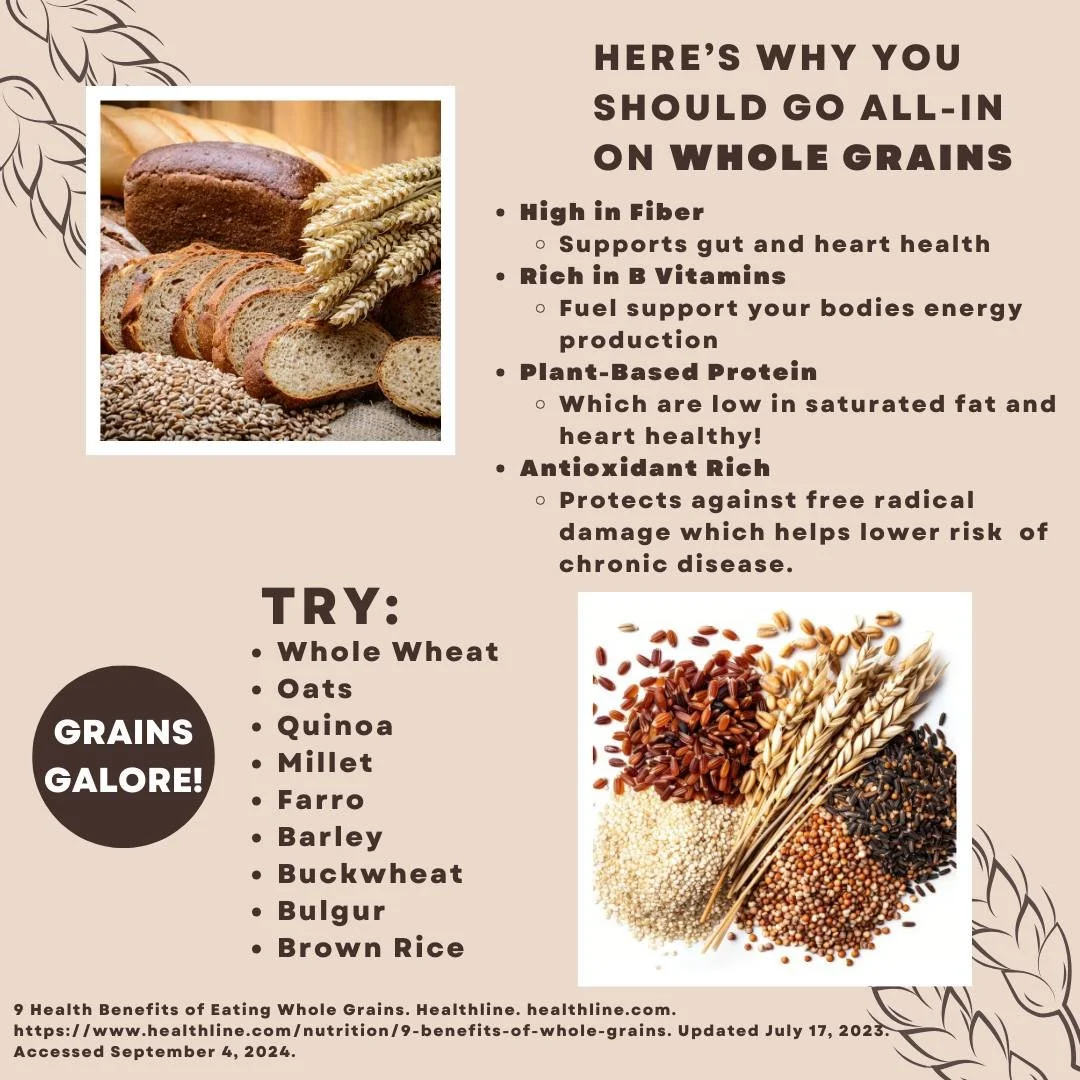
The focus on “real food” also means choosing whole grains over processed, packaged options. Seeing whole grains at the bottom of the pyramid, occupying the smallest space is a little perplexing, as the new guidelines clearly say to avoid "highly processed foods laden with refined carbohydrates, added sugars, excess sodium, unhealthy fats, and chemical additives” as much as possible but to reach for 2-4 servings a day of “fiber rich whole grains” instead.
6. Olive oil is excellent.
Olive oil has antioxidants, anti-inflammatory properties, and heart and brain health benefits. “Among all edible plant oils, olive oil has the highest percentage of monounsaturated fat, which lowers ‘bad’ LDL cholesterol and increases ‘good’ HDL,” wrote the American Heart Association. So seeing it right smack in the middle of the food pyramid is also a welcome visual.
What needs more clarification:
1. The emphasis on meat and dairy
While we get the value of protein, various experts and organizations have expressed concern over the new pyramid’s portrayal of red meat, given studies linking it to cancer and cardiovascular risks. Stanford nutrition researcher Christoper Gardner voiced his disappointment in having it depicted at the very top of the pyramid, saying "it does go against decades and decades of evidence and research.”
While there’s research showing that moderate amounts of good quality, lean, unprocessed meat as part of a healthy and highly praised Mediterranean diet could be fine for the heart, there have also been more and more studies showing the benefits of plant-based protein, which are mentioned in the guidelines but barely shown on the pyramid. Just last year, a global study from University of Sydney showed that “countries which consume more plant-based proteins -- such as chickpeas, tofu and peas -- have longer adult life expectancies.”
A couple more red flags include reporting that the two-thirds of the reviewers on the panel for the new guidelines had ties to the beef, dairy or pork industries. And we won’t dance around the fact that experts have expressed concern over Americans actually adding this much meat to their diet due to its potential environmental impact. “If someone did care about environment or climate change, one would have a hard time signing onto these new dietary guidelines,” said Walter Willett, professor of nutrition and epidemiology at Harvard T.H. Chan School of Public Health in a recent interview. “This goes way beyond what’s environmentally sustainable, essentially because of the massive emphasis on meat and dairy production.”
2. The question of saturated fats
For many years, saturated fats (which live in things emphasized on the pyramid like beef tallow and butter) have been linked to heart disease to a degree that The American Heart Association, who wrote that they welcome “the new dietary guidelines and commends the inclusion of several important science-based recommendations” also wrote that they’re “concerned that recommendations regarding salt seasoning and red meat consumption could inadvertently lead consumers to exceed recommended limits for sodium and saturated fats, which are primary drivers of cardiovascular disease.”
It’s true there’s been recent discussion about how much cholesterol-raising foods like saturated fats are to blame for heart disease and how much is a result of inflammation caused by things like seed oils. And it’s worth noting that while we’re seeing these saturated fats on the pyramid, as the New York Times reported “the actual amount of saturated fat you should consume remains the same as in previous guidelines: 10 percent of total calories, which is roughly two tablespoons for someone eating 2,000 calories a day.” So if people come away thinking they should go to town on saturated fats, that’s definitely the wrong message.
So the takeaway should be that we should still certainly choose protein sources that are lower in this type of fat, use a relatively low sat. fat olive oil, and watch our overall intake of these fats along with inflammatory foods like high-sugar foods, ultra-processed foods, and seed oils. It’s both/and, not either/or.
3. Not enough emphasis on fiber
You might think from the main points being made by the folks behind the pyramid that protein and fat is what most Americans are deficient in when really most of us get enough protein while it’s estimated that 95% of American adults and children don’t get the recommended amount of daily fiber.
Fiber is CRITICAL to our heart health, gut health, our very lifespan, and yet many of us are confused about what fiber even is. Fiber is present in many fruits and veggies, legumes, whole grains, nuts, and seeds. We know we said there are a lot of fruits and veg on the pyramid but if you go by the visual alone and create your proportions around it, you probably still won’t be eating enough fiber each day. Not to mention, if you look in the guidelines, you’ll see fiber glaringly absent, which is a HUGE miss. In fact,
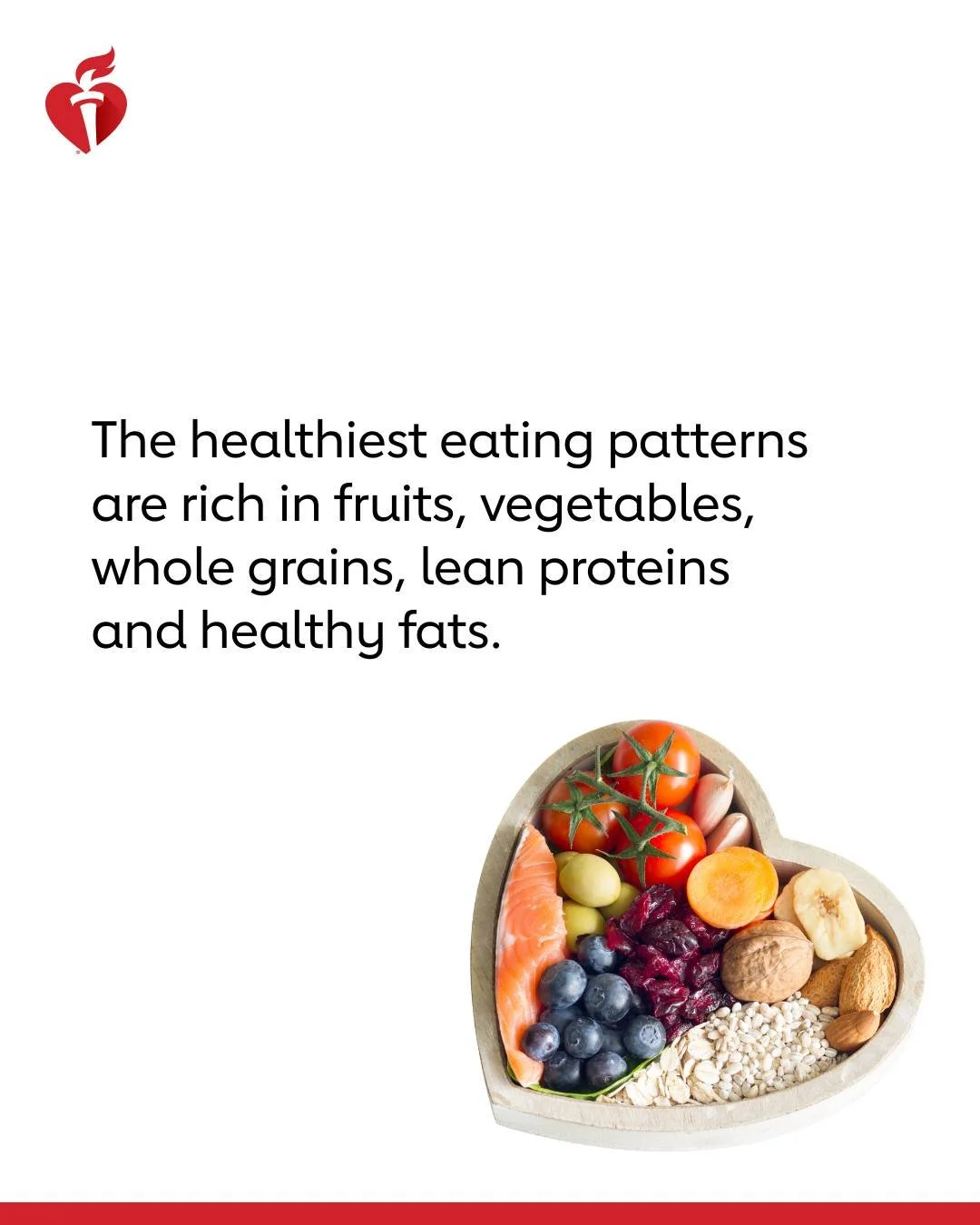
If you’re confused about how much of your plate should be fruits and vegetables and how much should be protein, you’re not alone. This subject is an article unto itself, so go HERE to learn more about how much fiber we need. But a good way to sum up its importance is in a recent study that tracked 25,000 women over 25 years and showed that those who followed a Mediterranean diet, rich in vegetables, fruits, whole grains, olive oil, legumes, and nuts, were 23% less likely to die from any cause. Fiber baby.
4. Portions?
In general, many are scratching their heads over the portions suggested by the food pyramid, which can read a little vague and/ or contradictory to the actual guidelines, which don’t always match up (remember when we talked about sat. fats?). As one dietician remarked in an interview with Verywell Health “Unless you really read the new guidelines, the new pyramid makes it seem like it’s just up to you to decide how much protein to eat.” And look, we get that it’s hard to capture all the nuance and debate of diet and nutrition in any shape of graphic.
So what we did after collecting all this data was take one deep breath and three big takeaways that don’t feel murky or contradictory or political:
Whole foods are best.
More fruits and veg.
Eat sugar less.
Huh? That actually sounds familiar.
This article is for informational purposes only. It is not intended to be used in place of professional advice, medical treatment, or professional care in any way. This article is not intended to be and should not be a substitute for professional care, advice or treatment. Please consult with your physician or healthcare provider before changing any health regimen. This article is not intended to diagnose, treat, or prevent disease of any kind. Read our Terms & Conditions and Privacy Policy.

Servings: 1 | Prep Time: 8 minutes | Ingredients: 5