
Protein May Be Overstated, It’s Actually THIS You’re Not Getting Enough Of
Kind of obvious but also kind of not.

by The Candidly Team
Look, we’re all just out here being regularly freaked out about our macros. And right now, the biggest one being shoved in our faces like heaping spoonfuls of cottage cheese is protein.
Protein is the new it thing for health. And yes, it is absolutely critical, especially for us ladies over 40 who are trying to build and maintain muscle mass so we can combat our slowed metabolism along with the bone and muscle loss that comes with aging.
However…
Protein is just a piece of the puzzle, and like all health things that turn into trends, there is a risk of it being both overstated and commodified.
But here’s the big reveal according to the Mayo Clinic: “Contrary to all the hype that everyone needs more protein, most people in the U.S. meet or exceed their needs.”
Now, this does not mean we shouldn’t be diligent about getting the correct amount of protein. It just means we shouldn’t be doing it at the expense of ignoring other very, very critical things that we very likely are not getting enough of.
That brings us to FIBER.
Unlike with protein, it’s estimated that 95% of American adults and children don’t get the recommended amount. And that is a big deal because fiber is a nutritional fountain of youth, longevity, heart health, gut health, all things health, health, health.
We’ll be more specific.


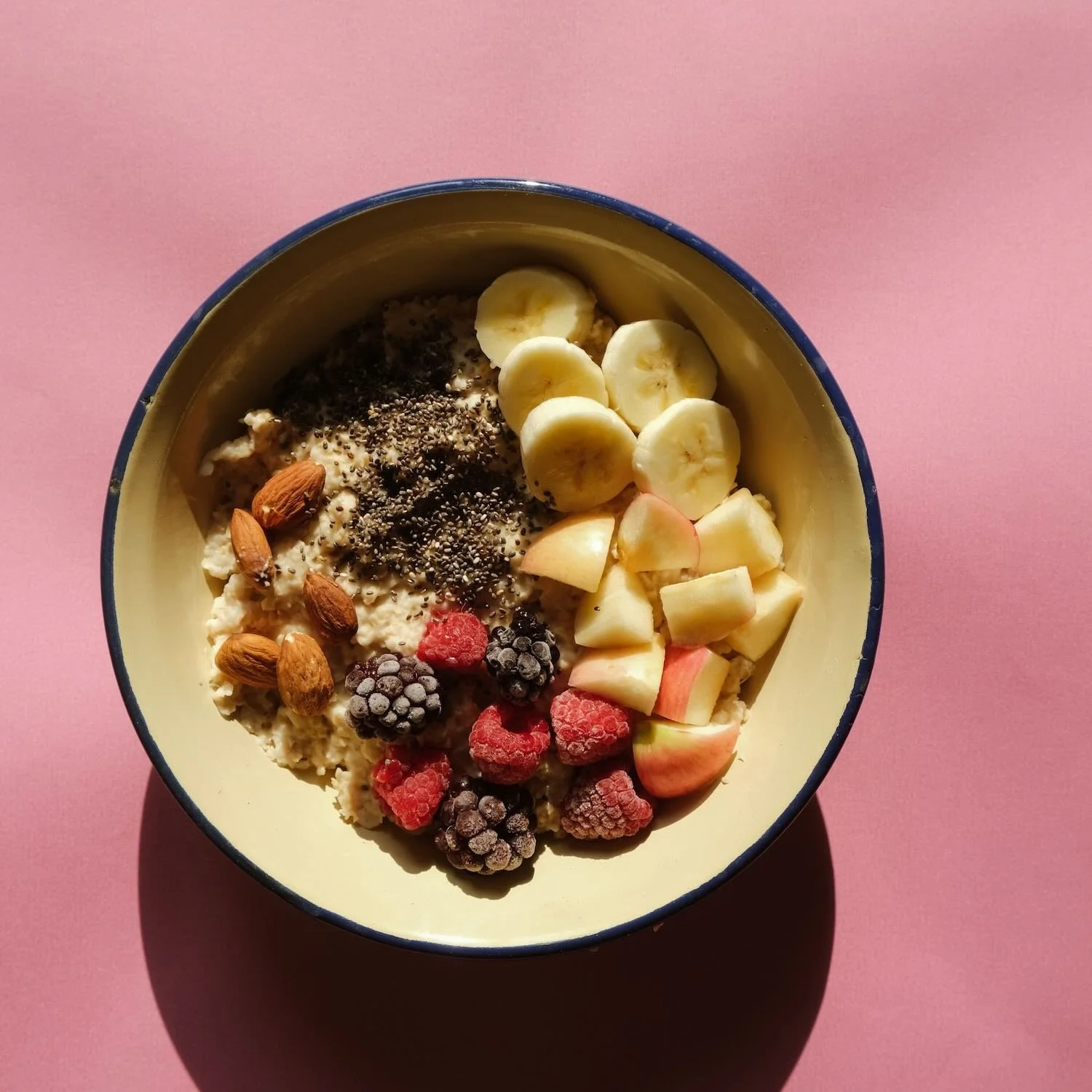

WHY YOU NEED FIBER
Heart health: Soluble fiber (found in foods like oats, peas, beans, apples, citrus fruits, carrots, barley and psyllium, flaxseed, oat bran) has been linked to lowered cholesterol and glucose levels. A high fiber diet has been “associated with a reduced risk of dying from cardiovascular disease and all cancers,” with the potential to lower blood pressure and inflammation levels. In one study, individuals who ate the most fiber after a heart attack had a “25% lower chance of dying in the following decade, compared with those who ate the least.”
Digestive health: We’ll just get right to it - fiber can help you poop. And eating enough fiber lowers your chances of getting hemorrhoids as well as colorectal cancer.
Blood sugar: Fiber has been shown to bring down blood sugar levels, slow down sugar absorption, and could lower your risk for type 2 diabetes.
Detoxification: Again, it keeps things moving.
Weight loss: Lots of high fiber foods are lower in calories and make you feel fuller and more satisfied so you’re not inclined to eat more. This is especially true of foods high in viscous fiber, a type of soluble fiber found in things like beans, legumes, flaxseeds, asparagus, Brussels sprouts, and oats.
Cancer: Fiber has been linked to helping with prevention of certain cancers, including colorectal and breast cancer.
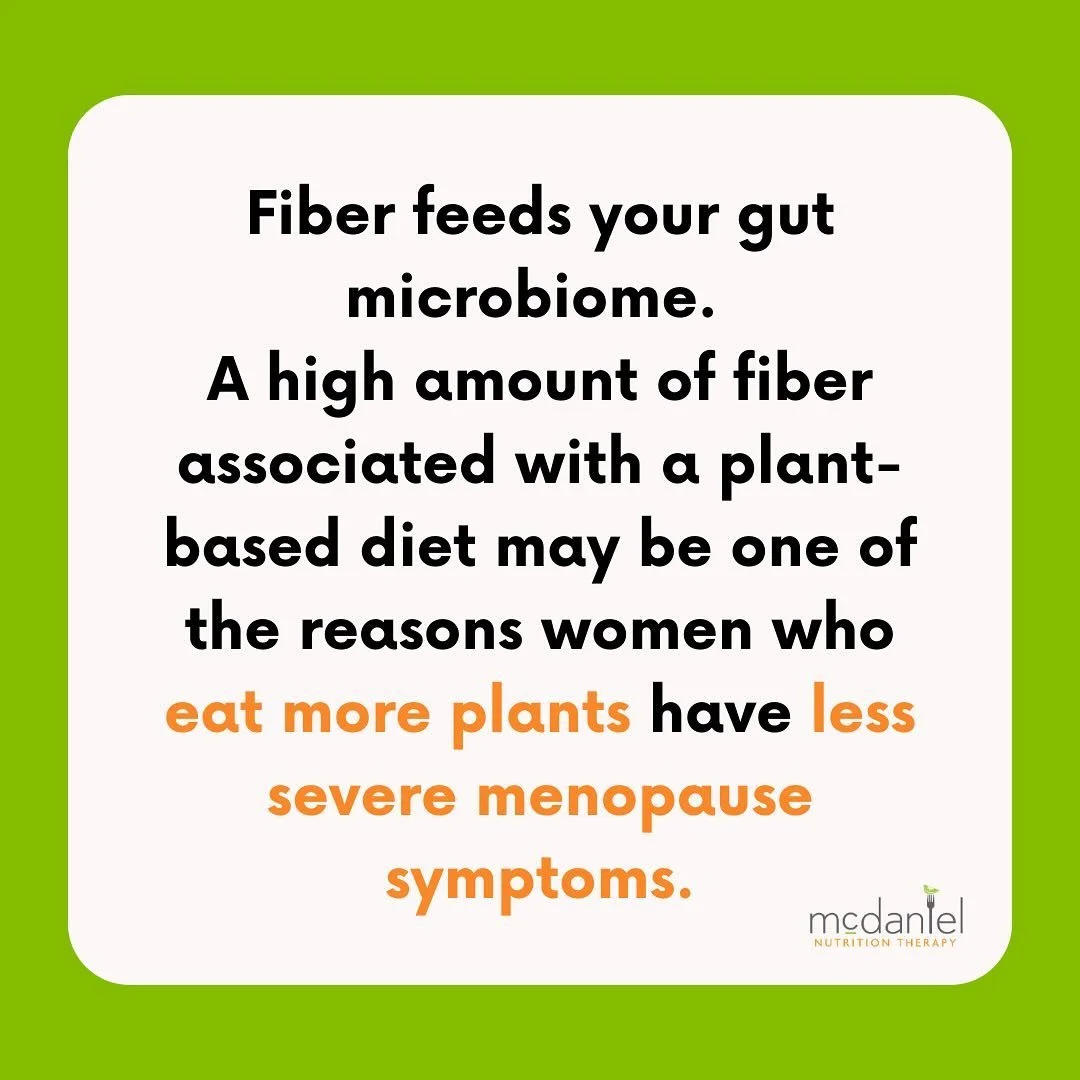
HOW MUCH FIBER DO YOU NEED?
Now for the big question:
Up until age 50 women should try to get 25 grams of fiber a day.
After 50, that can be lowered to 21 grams.
Another way to think about it is to try to get 14 grams of fiber for every 1,000 calories you eat daily.
If you’re ramping up your fiber, be sure to do it slowly as increasing by too much too fast can upset your stomach.
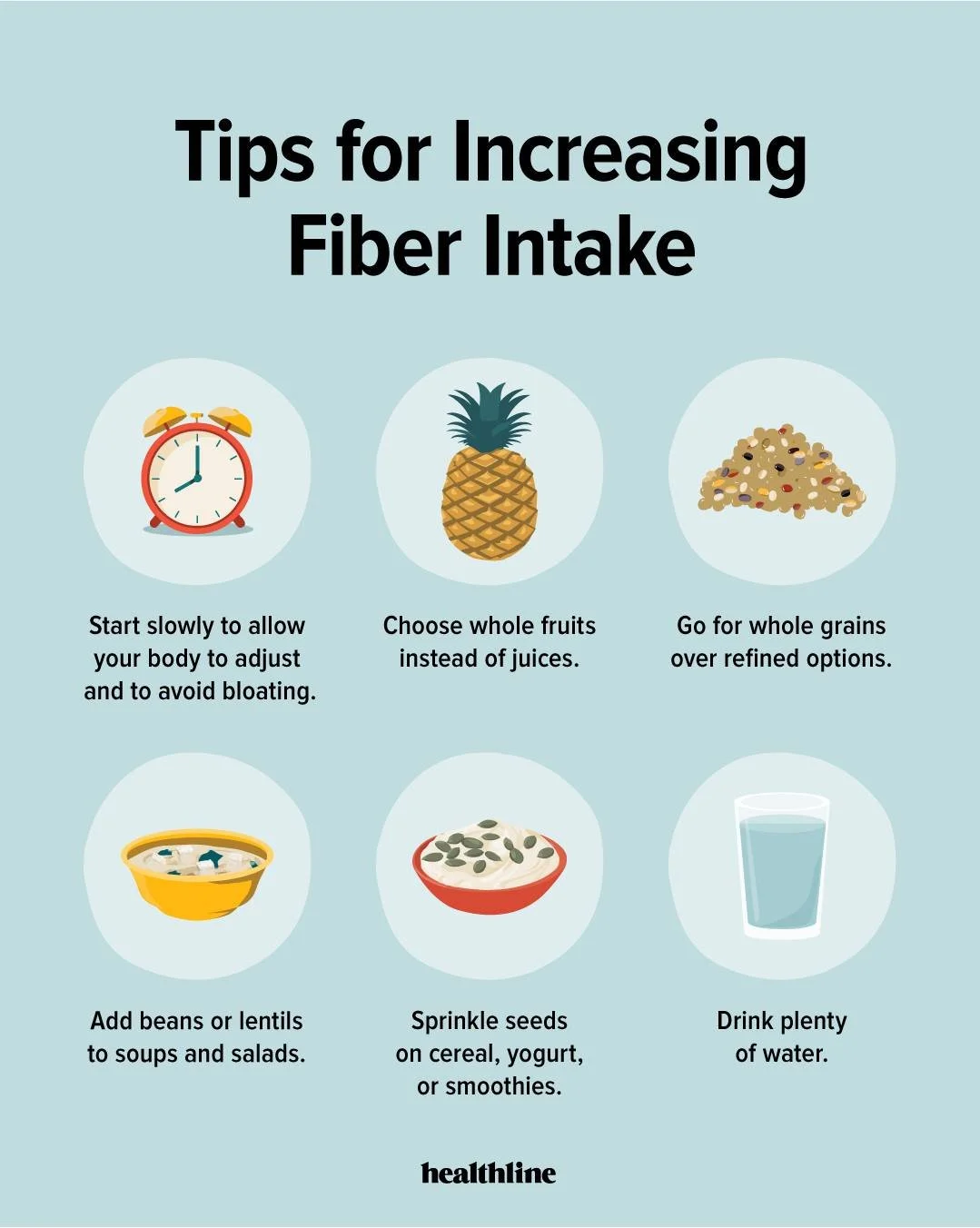
WHAT SHOULD YOU EAT TO GET ALL THIS FIBER?
Fiber is commonly found in fruits, veggies, whole grains, legumes, nuts, and seeds. Here’s a handy (albeit long) list, and we start with a category that, quite conveniently, is also packed with protein:
LEGUMES, NUTS, SEEDS:
• Split peas (1 cup boiled): 16g
• Lentils (1 cup boiled): 15.5g
• Pinto Beans (1 cup): 15g
• Black beans (1 cup cooked): 15g
• Cannellini, Navy, Great Northern beans (1 cup canned): 13g
• Chickpeas (1 cup): 12 grams
• Lima Beans (1 cup): 11.5g
• Chia seeds (2 tablespoons): 10g
• Flax seeds (2 tablespoons): 8g
• Peanuts (1/2 cup): 7g
• Almonds (1 ounce, about 23 nuts): 3.5g
• Pistachios (1 ounce, about 49 nuts): 3g
• Sunflower kernels (1/4 cup): 3g
FRUIT:
• Passion fruit (1 cup): 24g (who knew?!)
• Guava (1 cup): 9g
• Raspberries (1 cup): 8g
• Blackberries (1 cup): 8g
• Pomegranate (1 cup arils): 7g
• Persimmon: 6g
• Kiwi (1 cup): 5g
• Pear: 5.5g
• Apple: 4.5g
• Blueberries (1 cup): 4g
• Banana: 3g
• Orange: 3g
• Strawberries (1 cup ): 3g
• Mango (1 cup): 3g
• Prunes (4): 3g
VEGGIES:
• Green peas (1 cup boiled): 9g
• Acorn squash (1 cup): 9g
• Broccoli (1 cup boiled) 5g
• Artichoke: 5g
• Carrots (1 cup): 5g
• Turnip greens (1 cup boiled): 5g
• Brussels sprouts (1 cup boiled): 4.5g
• Potato (baked): 4g
• Sweet potato: 4g
• Sweet corn cup: (1 cup boiled) 4g
• Beets (1 cup): 3.4g
• Cauliflower: (1 cup raw and chopped) 2g
GRAINS:
• Whole-wheat spaghetti (1 cup cooked): 6g
• Barley (1 cup cooked: 6g
• Bran flakes (3/4 cup): 5.5g
• Quinoa (1 cup cooked): 5g
• Oatmeal (1 cup cooked): 4g
• Popcorn (3 cups): 3.5g
• Brown rice (1 cup cooked: 3.5g
• Whole-wheat bread (1 slice): 2g
This article is for informational purposes only. It is not intended to be used in place of professional advice, medical treatment, or professional care in any way. This article is not intended to be and should not be a substitute for professional care, advice or treatment. Please consult with your physician or healthcare provider before changing any health regimen. This article is not intended to diagnose, treat, or prevent disease of any kind. Read our Terms & Conditions and Privacy Policy.
