
This Is The Lunch Jennifer Garner Eats Every Day
We’re not above stealing recipes from gorgeous celebrities.
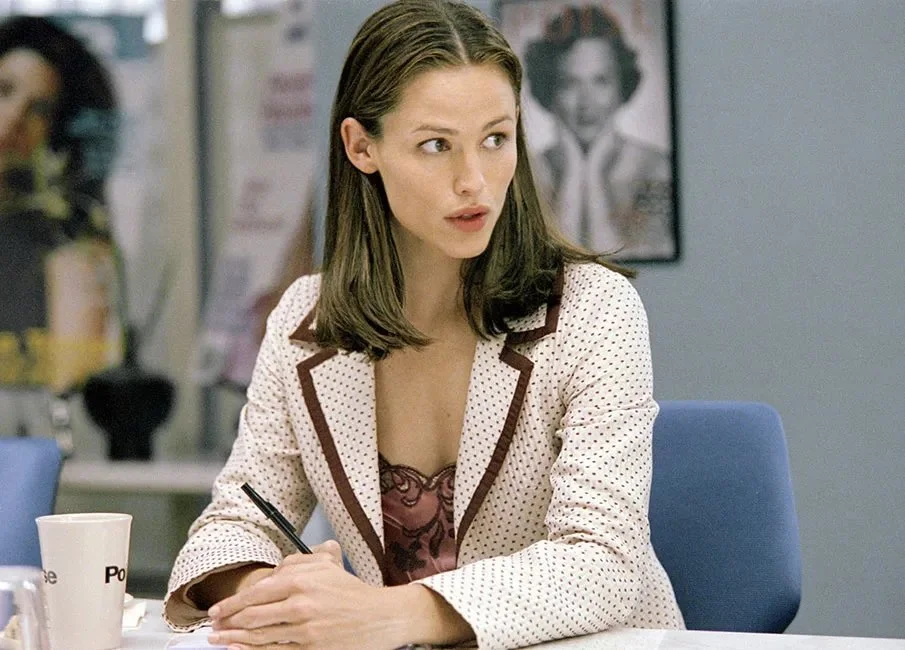
Sony Pictures
If you buy something we link to, The Candidly may earn a commission. Gifted items will be called out (gifted), and affiliate links will include an asterisk (*). We have to eat, after all.
by The Candidly Team
We started admiring Jennifer Garner, via her unbelievably toned arms, in the very first season of Alias back in 2001. It’s now 25 years later, and 54-year-old Jen remains one of the most astoundingly fit humans we’ve ever seen. We already knew she must be eating her vegetables. What we didn’t know was how. Until now.
Behold, the lunch Jen supposedly eats every day to support her lean and toned physique:
Yes, it’s just a salad. And no it’s not just a salad. It’s a "“BIG SALAD.” And that, my friends, makes all the difference to us, because unlike the teensy weensy portions of pastas, the carefully measured wraps and bowls, the half sandwiches, and the smallest slivers of dessert, we don’t have to feel like what we’re eating is gone in 18 seconds. We get to enjoy bite after bite, a long, languishing lunch that gives us time to get full instead of just feeling sad that the meal is over and scanning our options for an after-lunch snack.
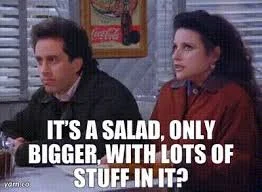
The big salad can be the solution to our haywire hunger signals that are triggered by our hormones after we turn 40. Naturally, we just need to know how to make it. And Jen’s is brilliant for a few reasons.
1) The mix of cooked and raw vegetables. This gives the salad more of a complete meal feel.
2) The inclusion of high-fiber, but not necessarily typical “salad” vegetables, like broccoli and sweet potatoes which lead to loads of fullness.
3) The deliciousness and textures of nuts and cheese for fat, calcium, and protein but also joy.
So let’s talk about how to make this bad boy and why it’s such a nutritional goldmine.
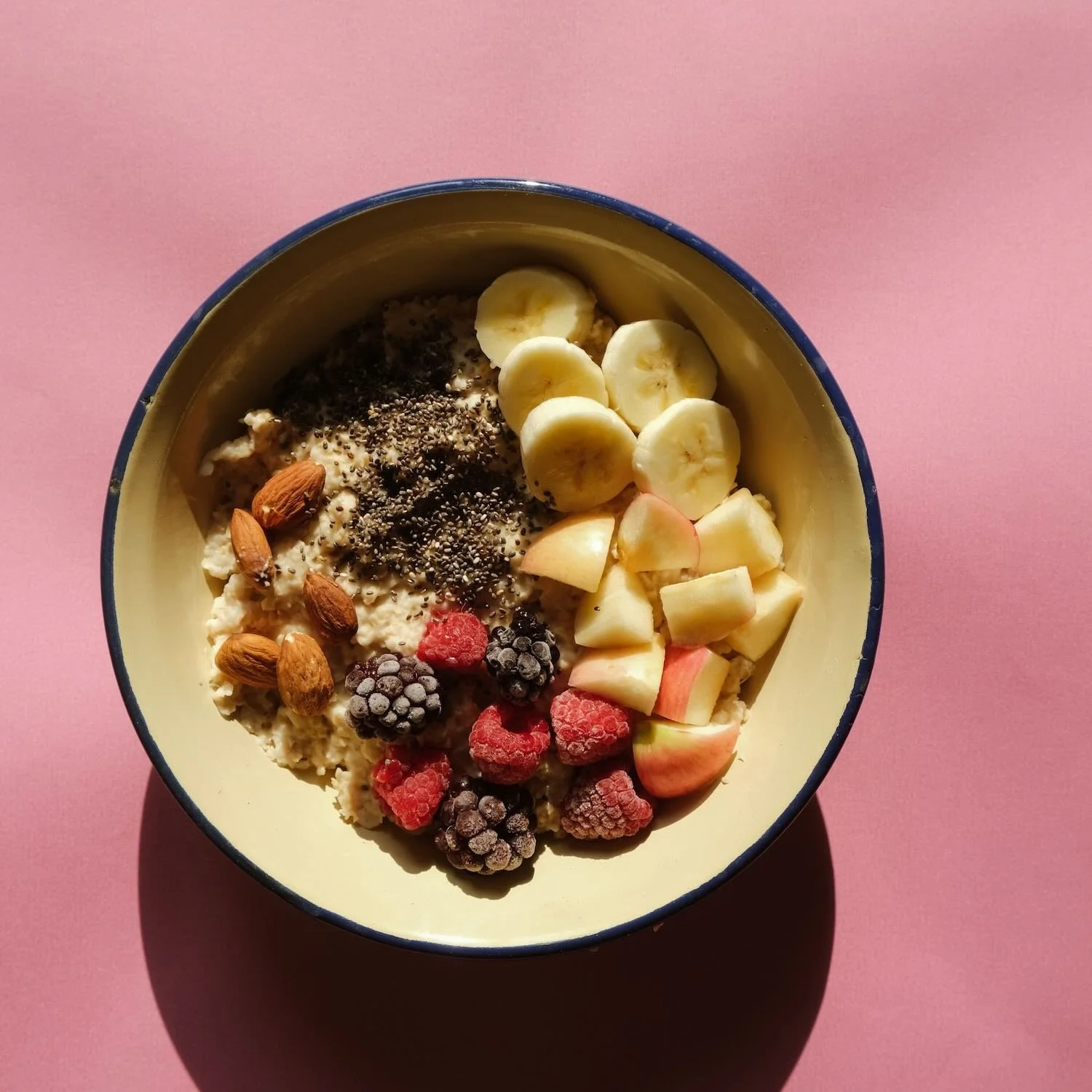

First off, we are all about shoving extra veg into anything we can make delicious. We blend them into THIS smoothie and puree them into every soup and sauce with THIS magical kitchen tool. But Jen’s idea takes us back to the basics of simply chopping up copious amounts of vegetables, adding some nuts and cheese and sweetness of a sweet potato, and poof, we have a salad that’s crushing all our nutritive goals and moreover is actually satiating. So let’s get to recipe:
We’ll start with the exact version Jen describes, cataloguing each ingredient’s attributes:
Arugula (or the dark green of your choice) - low-cal cruciferous vegetable which boosts heart health and cuts inflammation and cancer risk
Green beans - Packed with satiating and gut-healthy fiber, vitamin K for bone health and C for immunity
Broccoli - Another cruciferous veg with lots of Vit C and fiber that’s known to help lower cholesterol and cancer risk
Sweet potato - A complex carb (the good kind) with loads of fiber and potassium, which can help with blood pressure. It’s also loaded with vitamin A, which helps with eye and bone health along with immunity.
Chopped Nuts - A healthy source of unsaturated (“good) fats and plant protein as well as fiber.
Cheese - For calcium and protein for bones and muscles.
Naturally, there are loads of modifications we can make, but the idea is essentially to get a great big bowl and fill it predominantly with vegetables. Here is the one we made today right before publishing this article and just before adding some extra protein and fiber, which is the only way we won’t be chomping at the bit in an hour. But to give you a sense of scale:
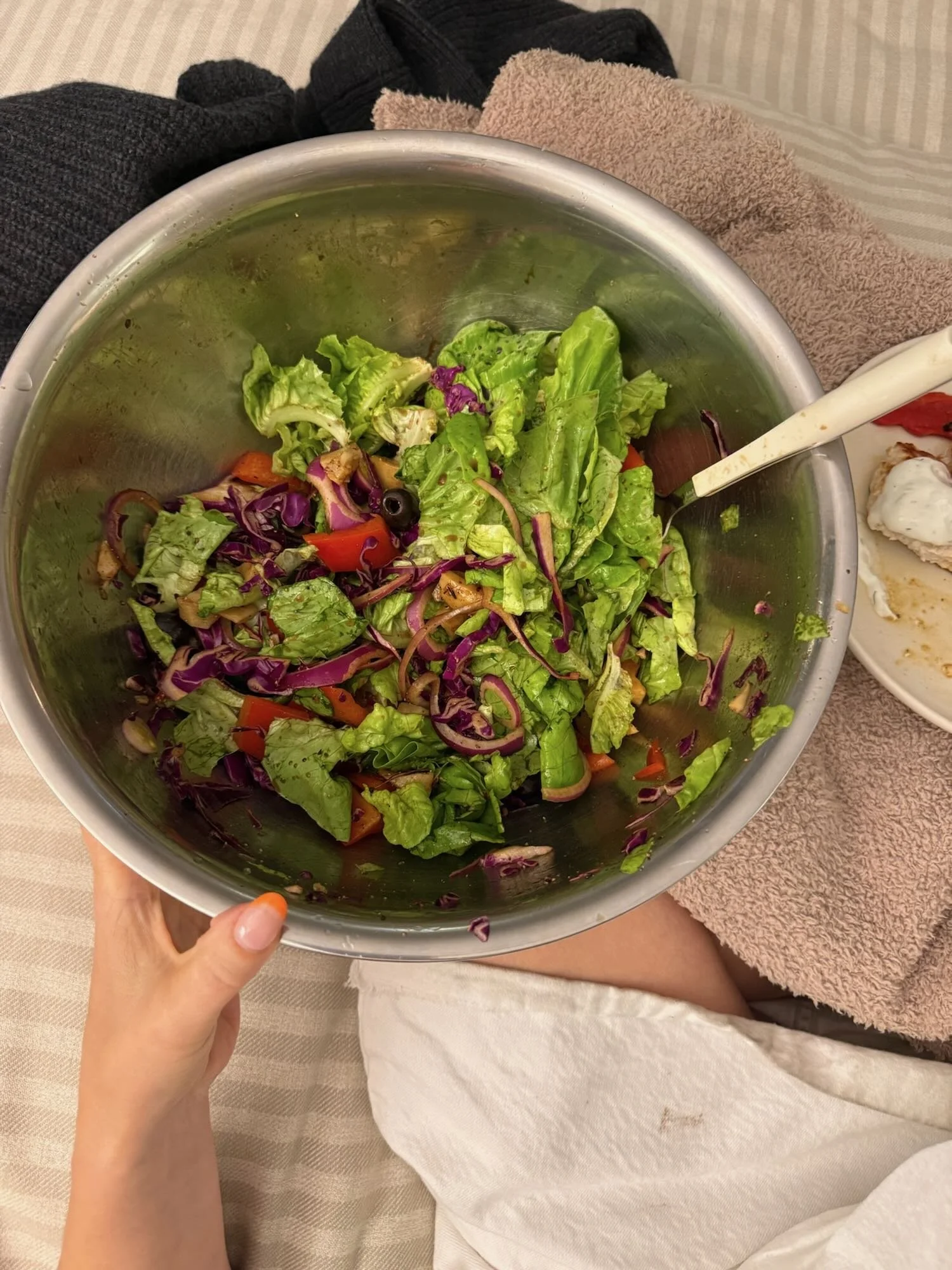
Calorie-wise, naturally, a lot depends depends on how much dressing you add or oil you cook your veg in.
COOKING THE VEGETABLES: We opt to boil or blanch our broccoli and green beans and toss the sweet potato in the oven with a very light coating of coconut or oilve oil, salt (the good kind) and pepper.
DRESSING THE SALAD: Packaged salad dressings can be loaded with sugar and oil, so you may opt to make your own dressing, which we highly recommend AND we have a foolproof vinaigrette recipe HERE. Because there’s about 120 calories in one tablespoon of olive oil, we keep THESE* tablespoons on hand to measure our dressing rather than glop, glop, glopping it on.
Using some common sense quantities, here is a break down of the salad’s calorie content when logged into MyFitnessPal BEFORE adding the dressing, which shouldn’t run you more than 170 calories if you keep your portion of the above recipe to two tablespoons.
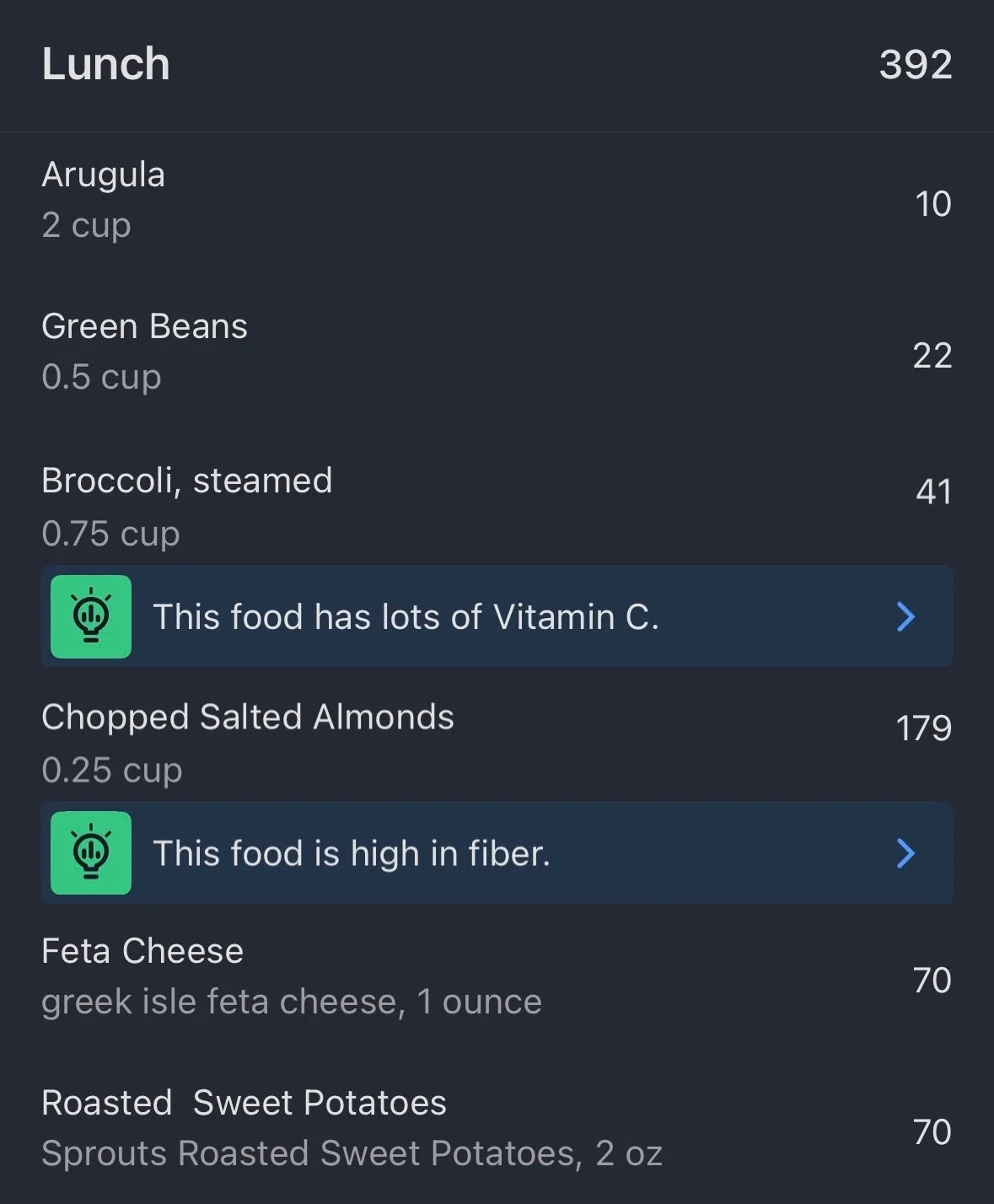
With the salad dressing, the totals will be about the following:
Calories: 560.
Protein: 18 grams
Fiber: 11 grams
There are many ways to modify this big salad to keep you even fuller instead of grazing an hour later by adding extra protein such as:
2 hardboiled eggs: 12g protein.
1/2 serving of Trader Joe’s Grilled Lemon Pepper Chicken: 15g protein.
1 can of Safe-Catch tuna* (we like to make this life-changing tuna salad): 35g protein.
1/2 cup of Good Culture lowfat cottage cheese*: 14g protein
1/2 cup cooked lentils: 10g protein
Any of the following “clean creamy dressings” that use 1/2 cup of Fage 0% Greek yogurt*: 18g protein
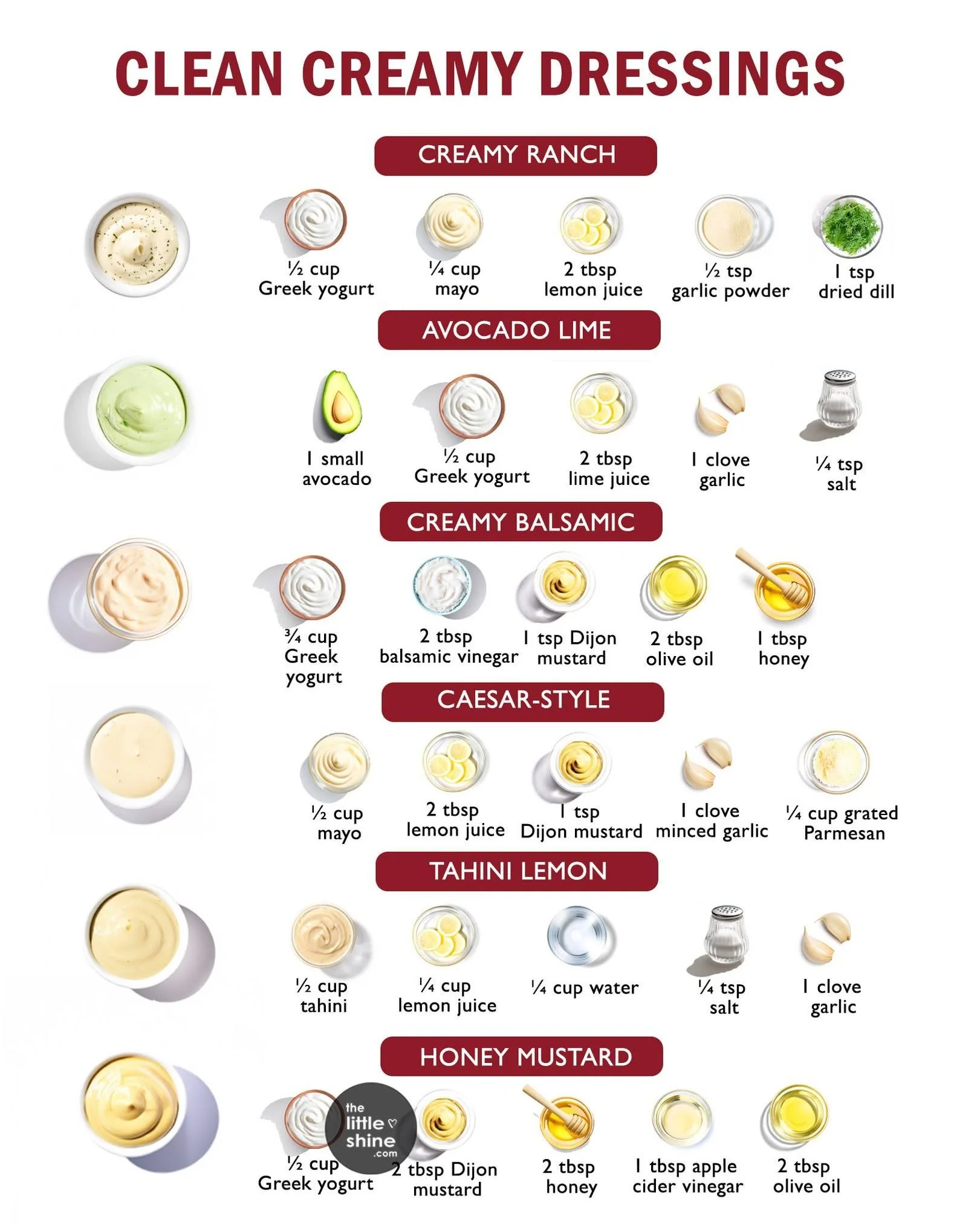
Naturally, we can pretty much go wild with all the lettuces and veg we throw in there, and if the goal is to stay in a calorie deficit for the day, we can measure or be more mindful of our portions of cheese, nuts, and oils. After that, all there is to do is enjoy the long, long, crunchy process of finishing a meal that actually takes us time to finish and benefits us in so many ways, we feel we deserve a gold star just for eating it.
This article is for informational purposes only. It is not intended to be used in place of professional advice, medical treatment, or professional care in any way. This article is not intended to be and should not be a substitute for professional care, advice or treatment. Please consult with your physician or healthcare provider before changing any health regimen. This article is not intended to diagnose, treat, or prevent disease of any kind. Read our Terms & Conditions and Privacy Policy.

Servings: 1 | Prep Time: 8 minutes | Ingredients: 5