This Is The Most Important Mindset Shift That Helped Me Lose 60 Lbs In My 40s. And Keep It Off.
You won’t like it.
If you buy something we link to, The Candidly may earn a commission. Gifted items will be called out (gifted), and affiliate links will include an asterisk (*). We have to eat, after all.
by Audie Metcalf
By the way, I lost the weight with no medical intervention and no GLP-1. This is important because of what I’m going to describe, not because I feel smug about it.
Ok, I might feel a little smug about it.
Here’s my credentials so you know I’m a real person with real results:
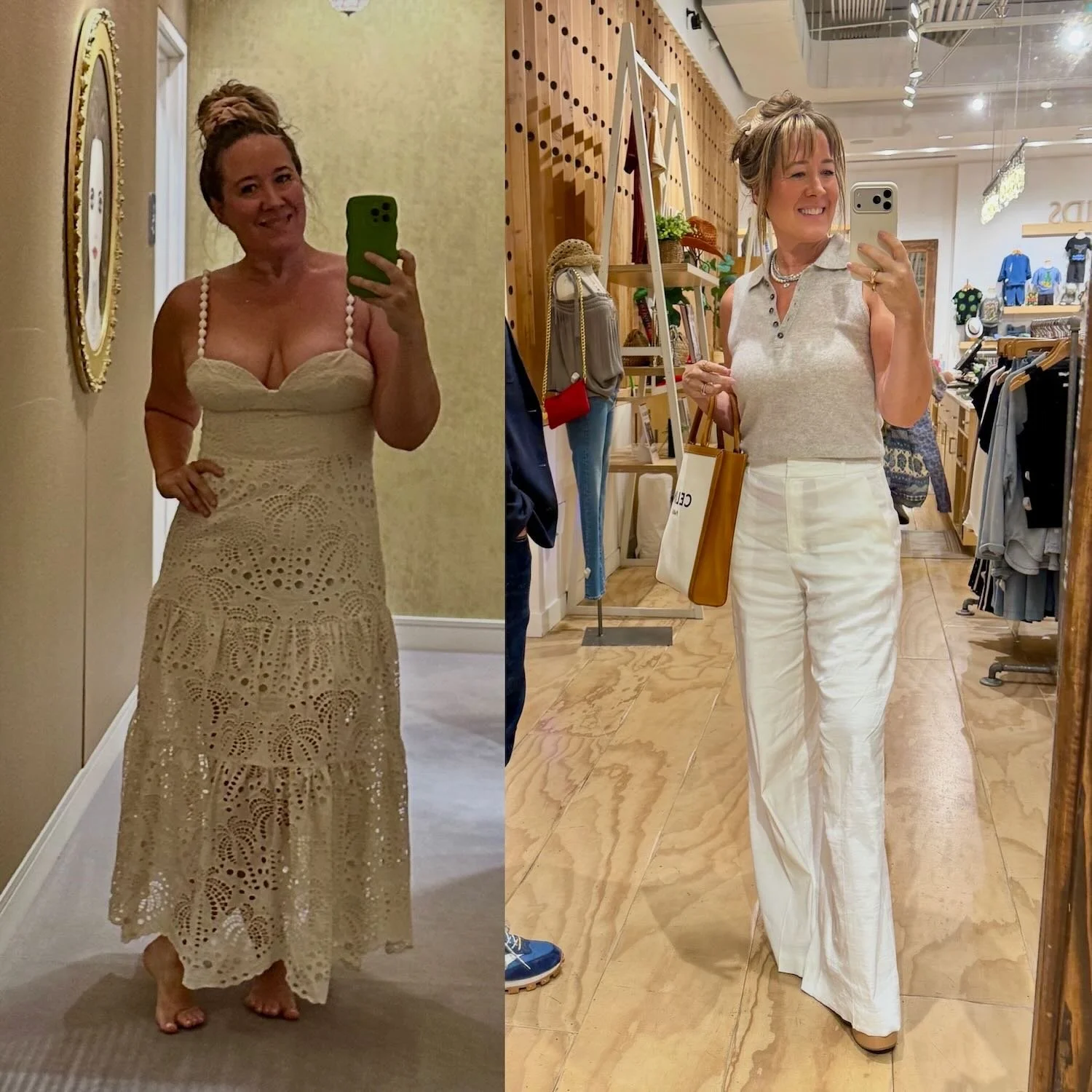
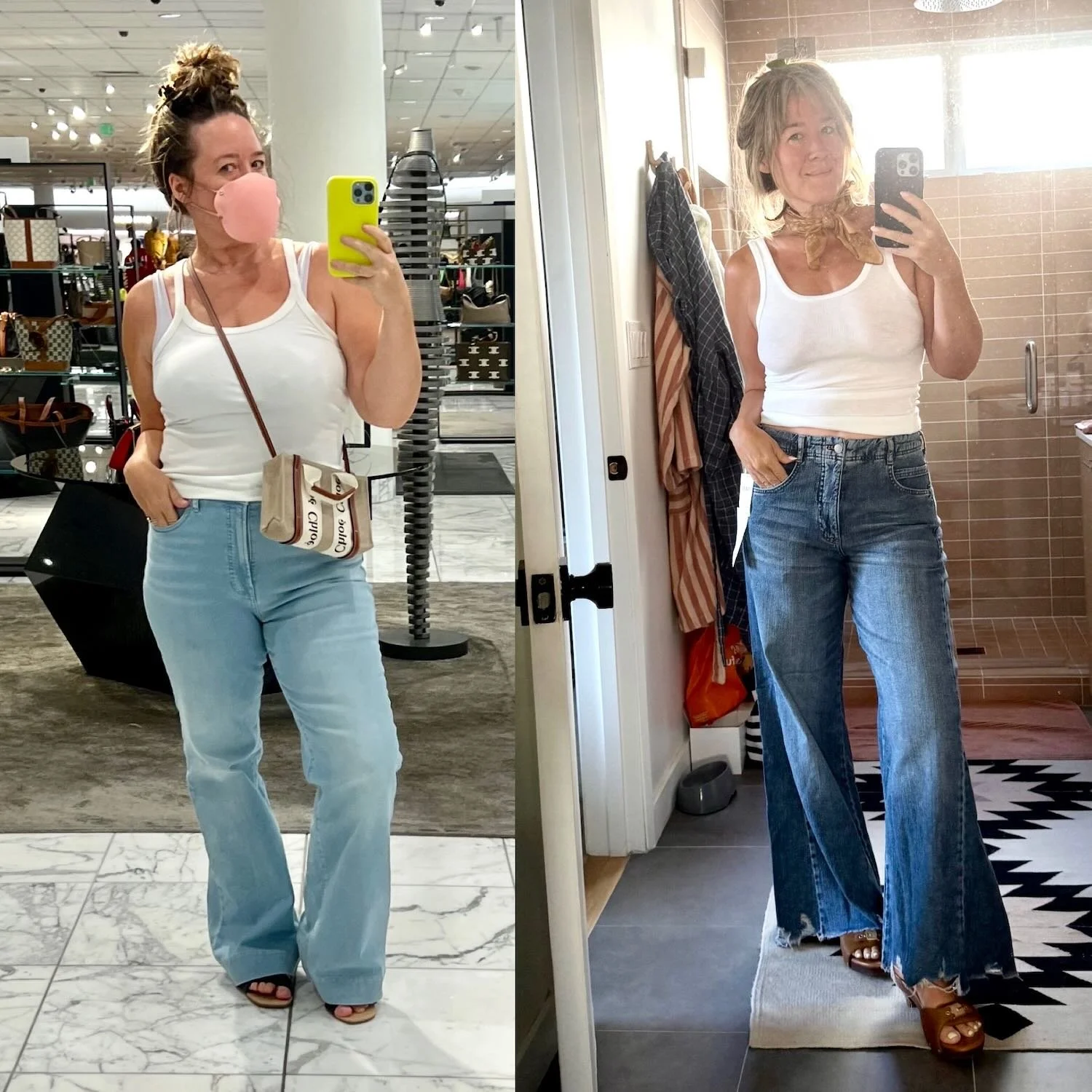
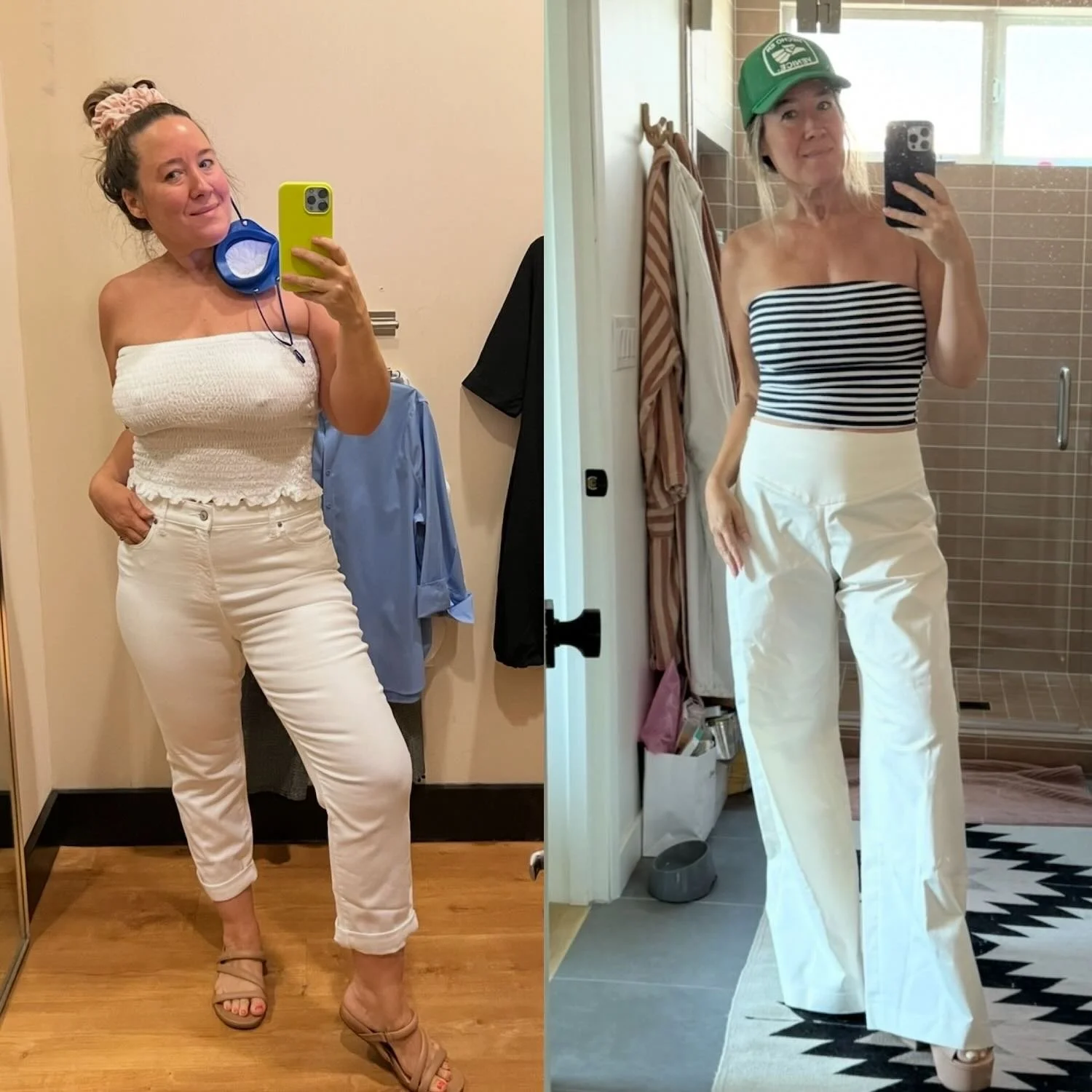
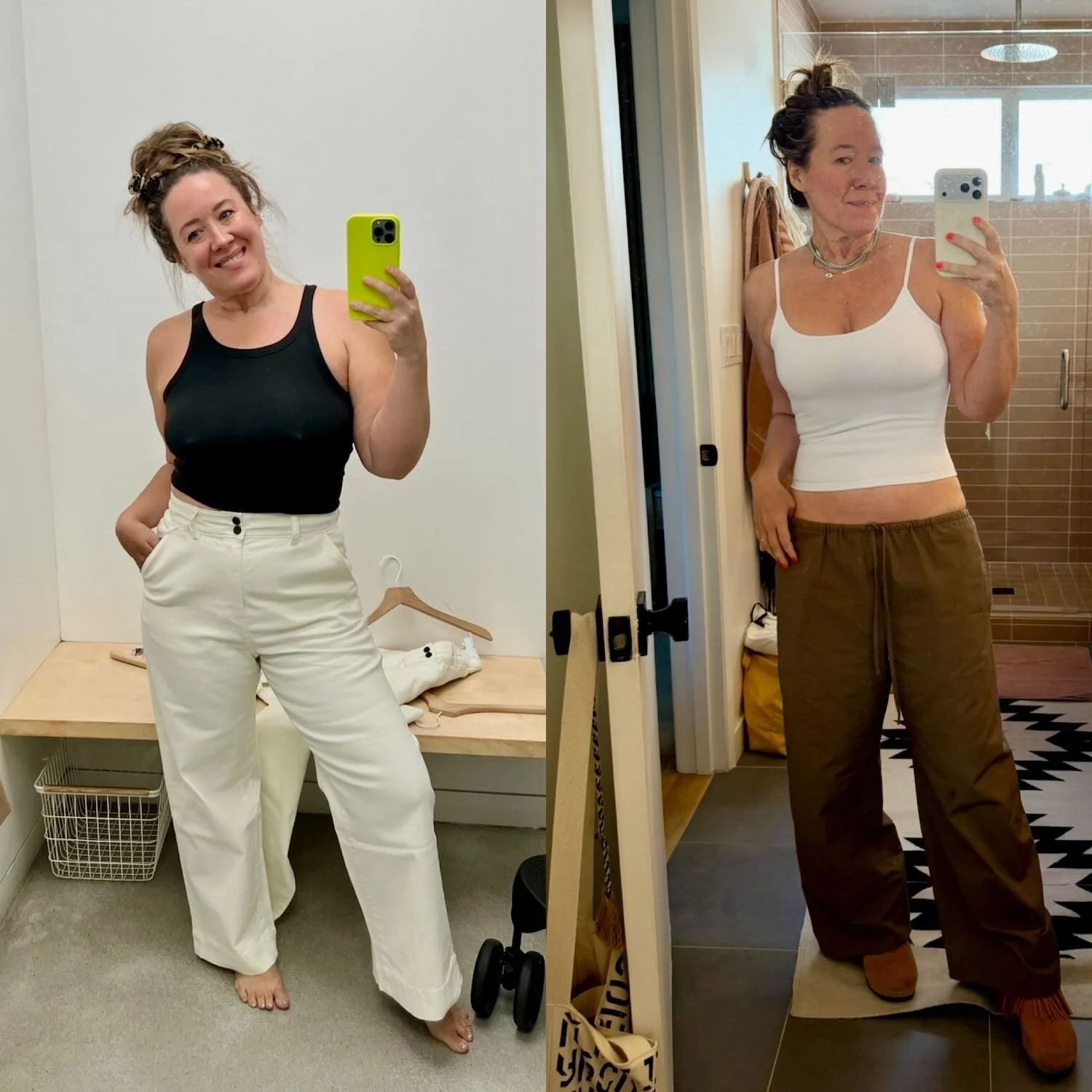
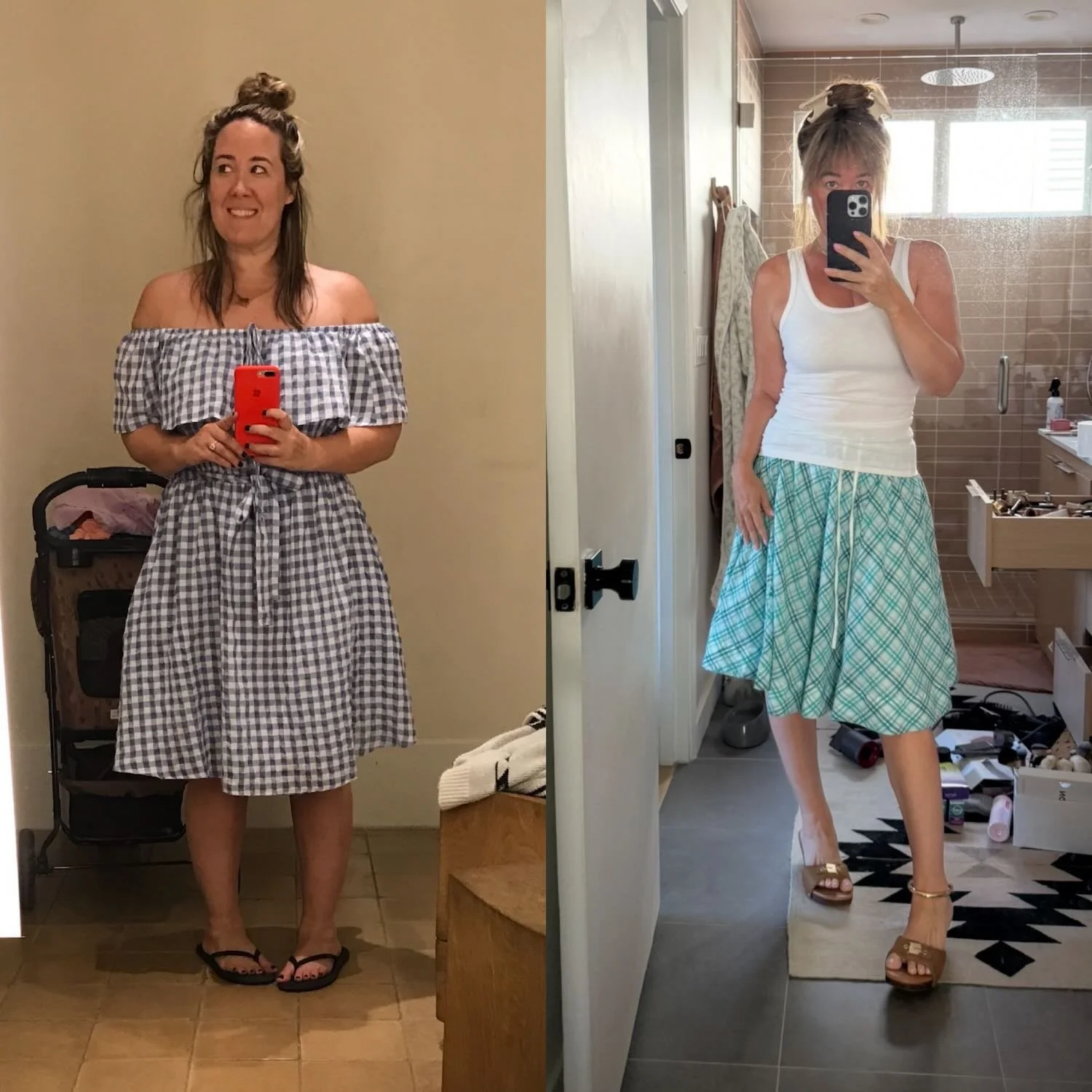
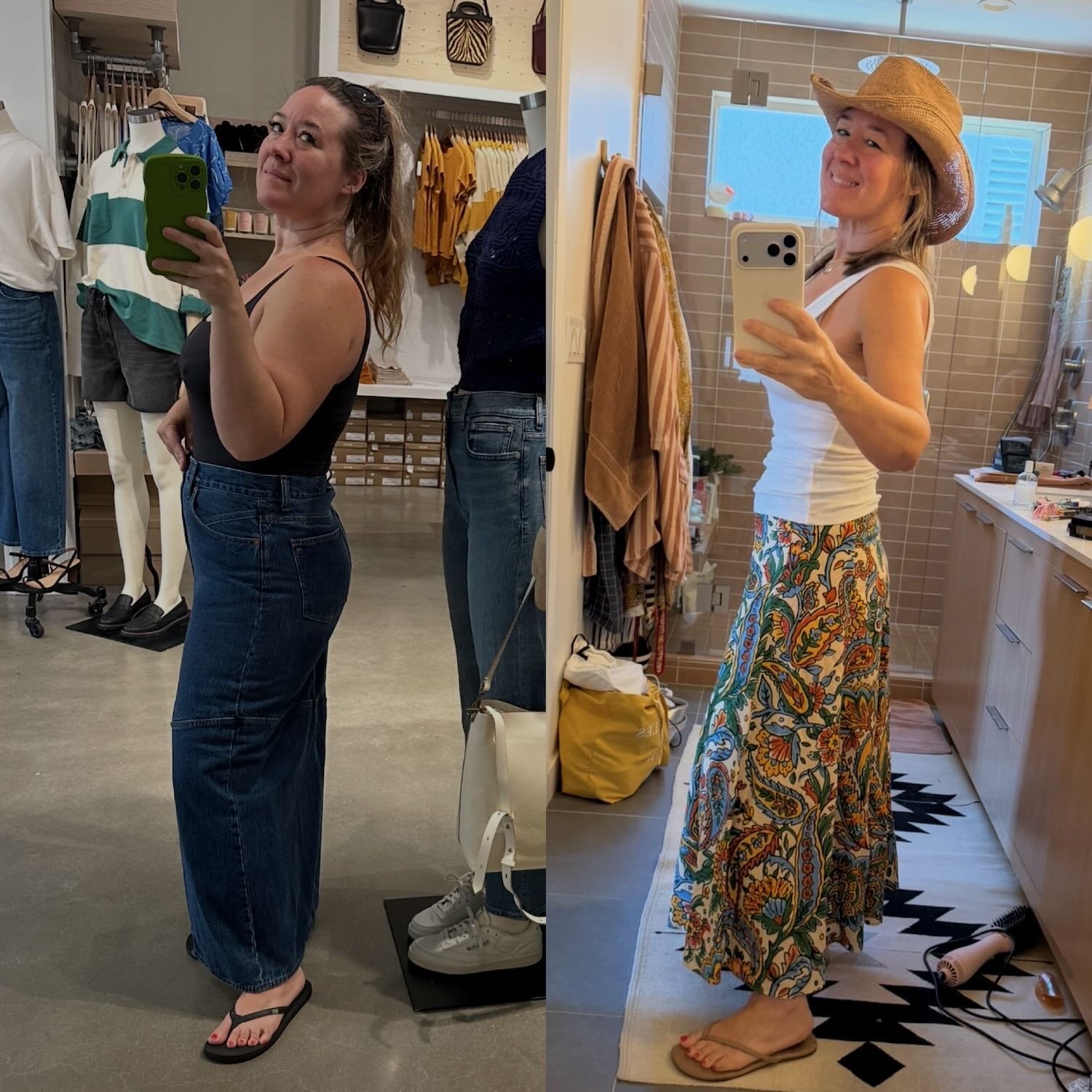
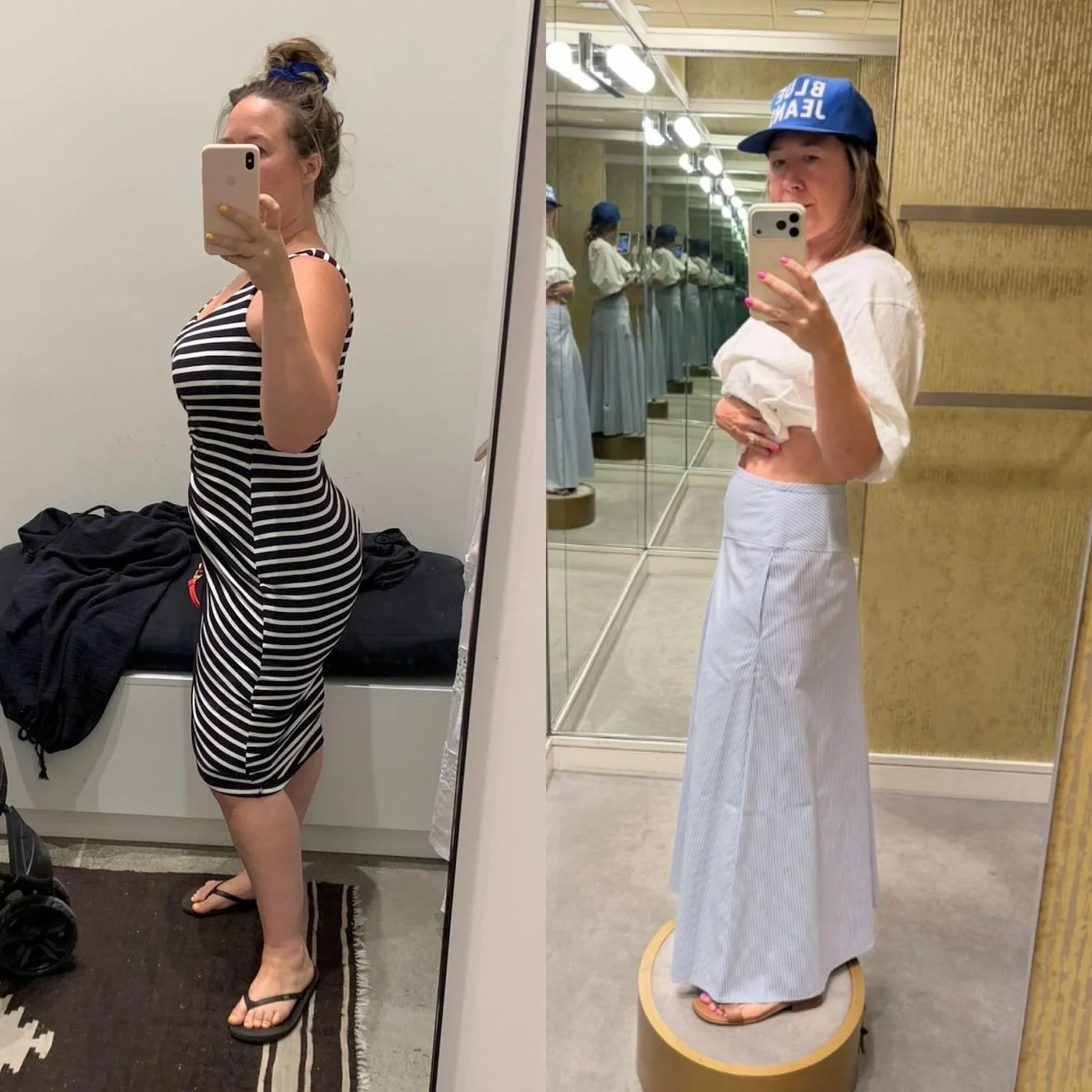
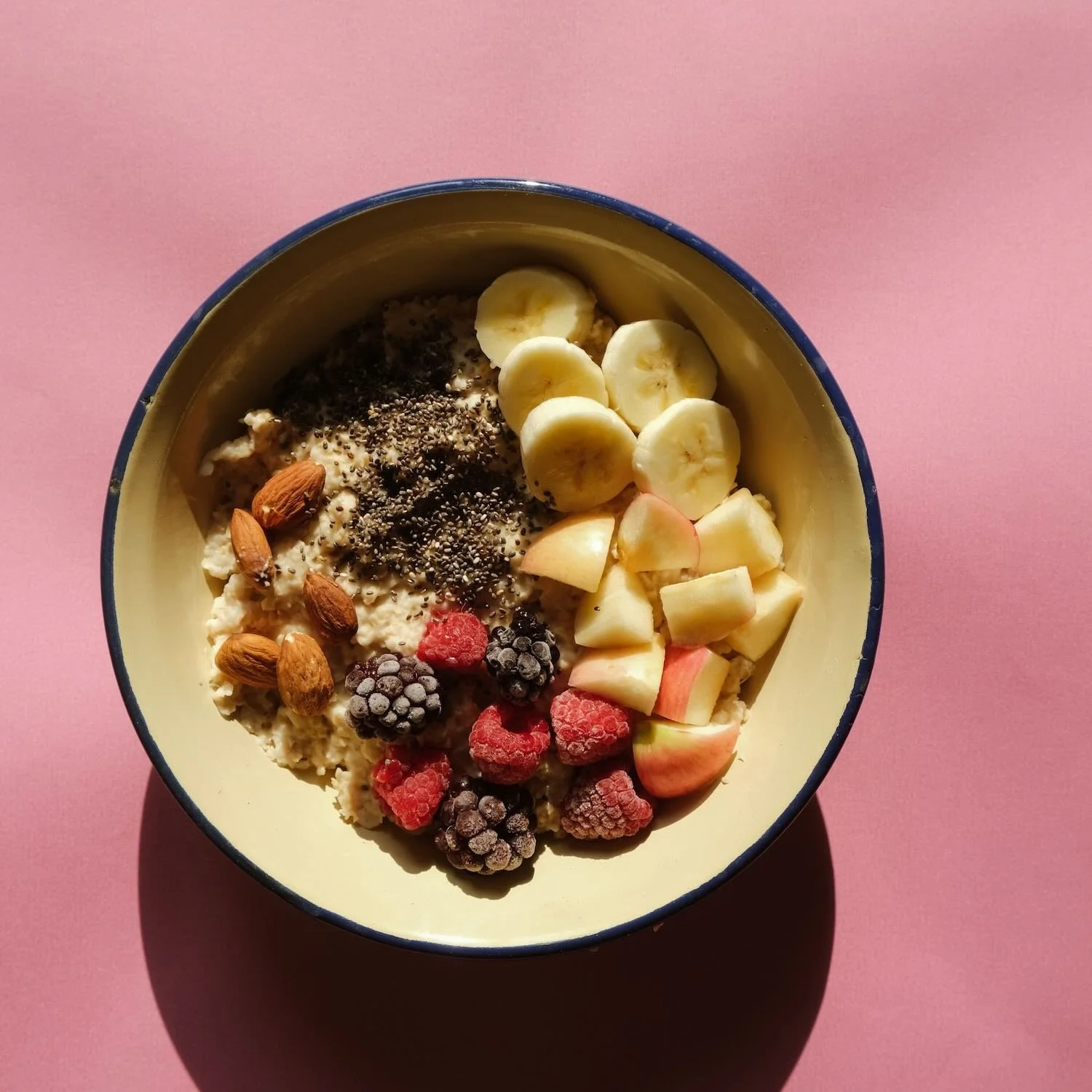

And here are lots of articles here, here, here, here, and here about my specific fitness and nutrition.
Ok, a few unassailable truths so that we’re all speaking the same language.
The only way to lose weight is by being in a calorie deficit.
Weight loss is hard because calorie reduction equals hunger, and hunger is hard to manage.
The best way to manage hunger is by eating foods that make you full.
That’s it! That’s the reality of how to lose weight!
There’s lots and lots and lots of details and specifics if you want to get more granular like how lifting weights builds muscle and more muscle means you burn more calories at rest which means in the long run you’ll be able to eat more and be less hungry, and how protein makes you fuller, and so does fiber, and walking is better than running, and sleep is crucial and yada yada yada. All those things are also 100% true and unassailable facts.
But today I want to talk about a squishier, less technical side of weight loss, because I think it’s actually at the heart of why I’ve been able to make this huge shift and keep the weight off for over a year. And it’s actually a little bit sad. Because it’s a trade off. And the older I get, it seems everything is.
I had to sort of set sail to my love affair with food.
And perhaps you can relate to this because it’s not an angle I see much on the internet. I see people talk about how Ozempic helps their “constant food noise” or how people “emotionally eat” but I don’t think I have that.
What I have is that I deeply love food. I dream of what delicious new concoction I’ll make from my alarmingly expensive farmers’ market haul. I think about the gigantic spread I’ll make for Thanksgiving and what sort of phyllo element will be incorporated this year. A new cookie for Christmas—perhaps miso-based?!
And before you get mad, I already know what you're thinking. This is good! Healthy! A healthy relationship with food! And I think you're mostly right. And even still, I had to change it. Because in my mind, within all of these machinations, lurked a constant, unspoken feeling I eventually identified, and realized I had to fully step away from.
And that feeling, was lust.
Truthfully, I think it’s this shift that GLP-1s are most effective at dealing with so that the link between food and our brains doesn’t feel desirous. And frankly, that is an astonishing achievement and I am envious of that being turned off without having to do all of these emotional acrobatics in my brain—and I still might take one for maintenance. Because friends? I am hungry.
Ok, so what does it mean to remove lust? Well, I don’t eat lusty foods. Why? Because this idea that you can eat everything in moderation is, for me, bullshit. What’s a lusty food? A croissant. A grilled cheese. A charcuterie board. I just have tried to snip the tether between food and “Christ, that’s delicious” and in so doing I can enjoy food in a more measured way. Imagine eating the most delicious thing. You know the feeling of wanting to close your eyes and slam your hand down on the table and exclaim “FUCK that’s good.” That’s lust. Some people can manage that feeling sometimes. In the same way some people can manage a beer twice a week and others suddenly feel consumed by wanting 7 beers. I think some of you out there might be able to have ONE donut that your coworkers brought into the office and that’s it. For me, I truly just need to stay away from donuts because they are a more perfect bite of food than any other bite of food on this earth and if I have one it’s very, very difficult to not want another one.
I don’t BUY donuts for the home but when I abstain from lusty foods I can generally stay on track because I can keep food in its right lane for me. And this is where a lust for food is seemingly more complex than let’s say alcohol, because with alcohol we can abstain entirely.
Food, well, we need it to live.
And look, I see all kinds of “intuitive eating” practices talk about how we need to get in touch with our hunger signals and how if you exclude entire food groups you just want them more so you need to figure out how to incorporate everything you want into your diet. I’m not saying this is bad or wrong, I’m just saying that that approach is literally everywhere on the internet, and this idea of removing lust is nowhere. And so if you love the other idea and it works for you, excellent. Go do that. I cannot do it. I’ve tried. But if you’ve also tried that and it also doesn’t work for you, maybe this idea will help.
Listen, this is a daily practice. And it’s hard. But just like anything else hard, it’s a shift that forces a new habit to emerge. And I’m mostly in the habit now so that all of these meals are “good” but they don’t fill me with dopamine and glee:
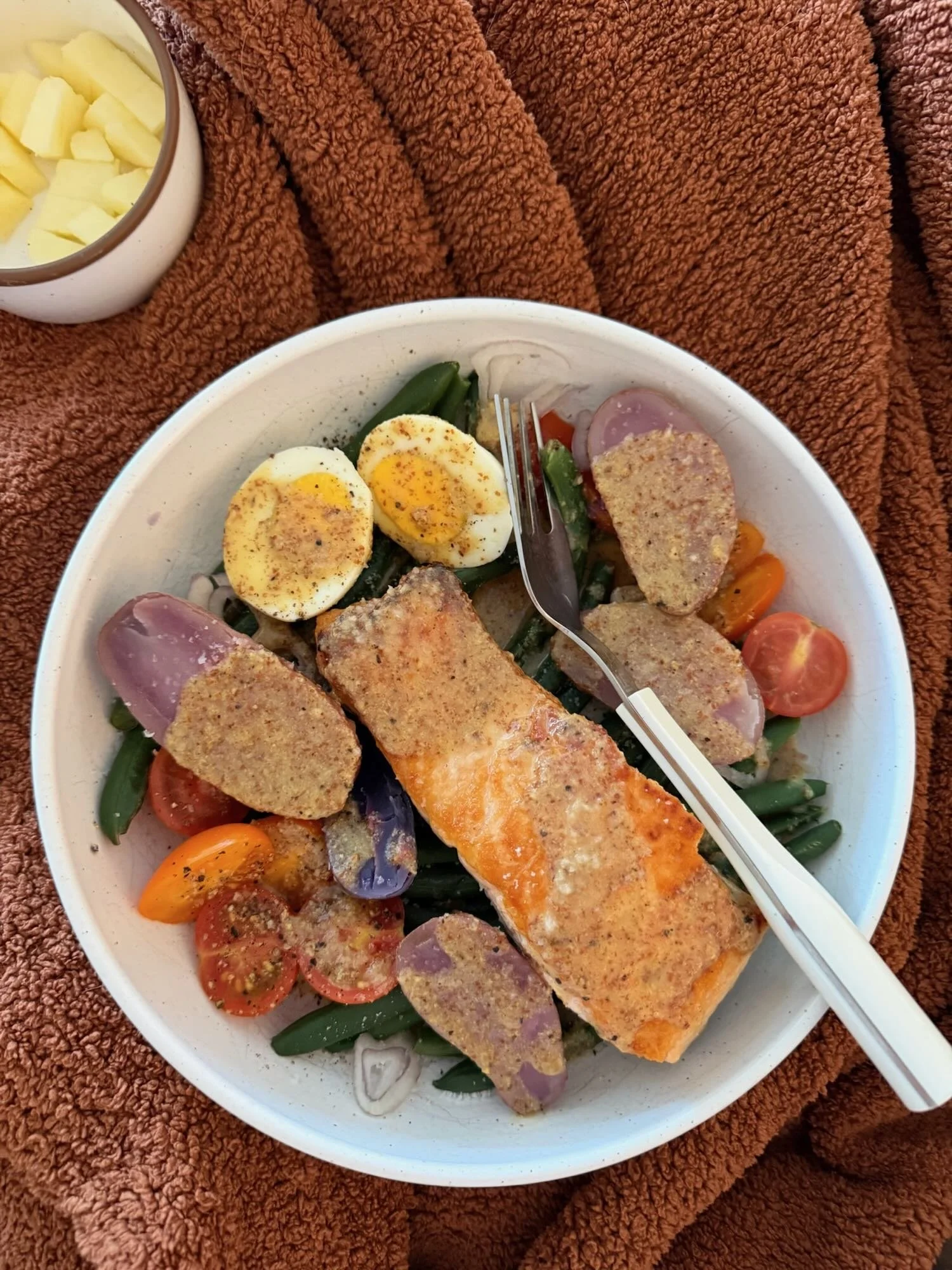
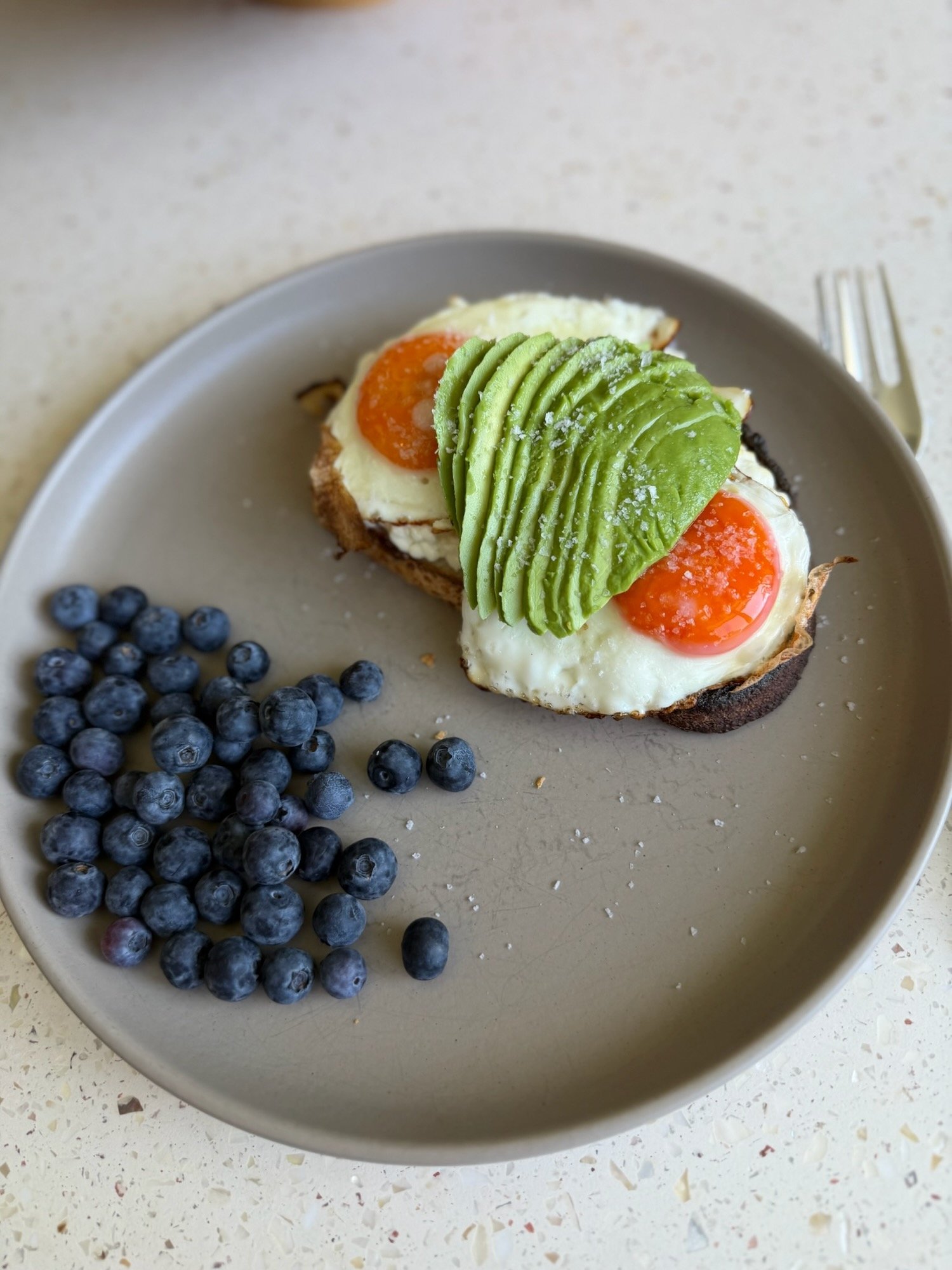
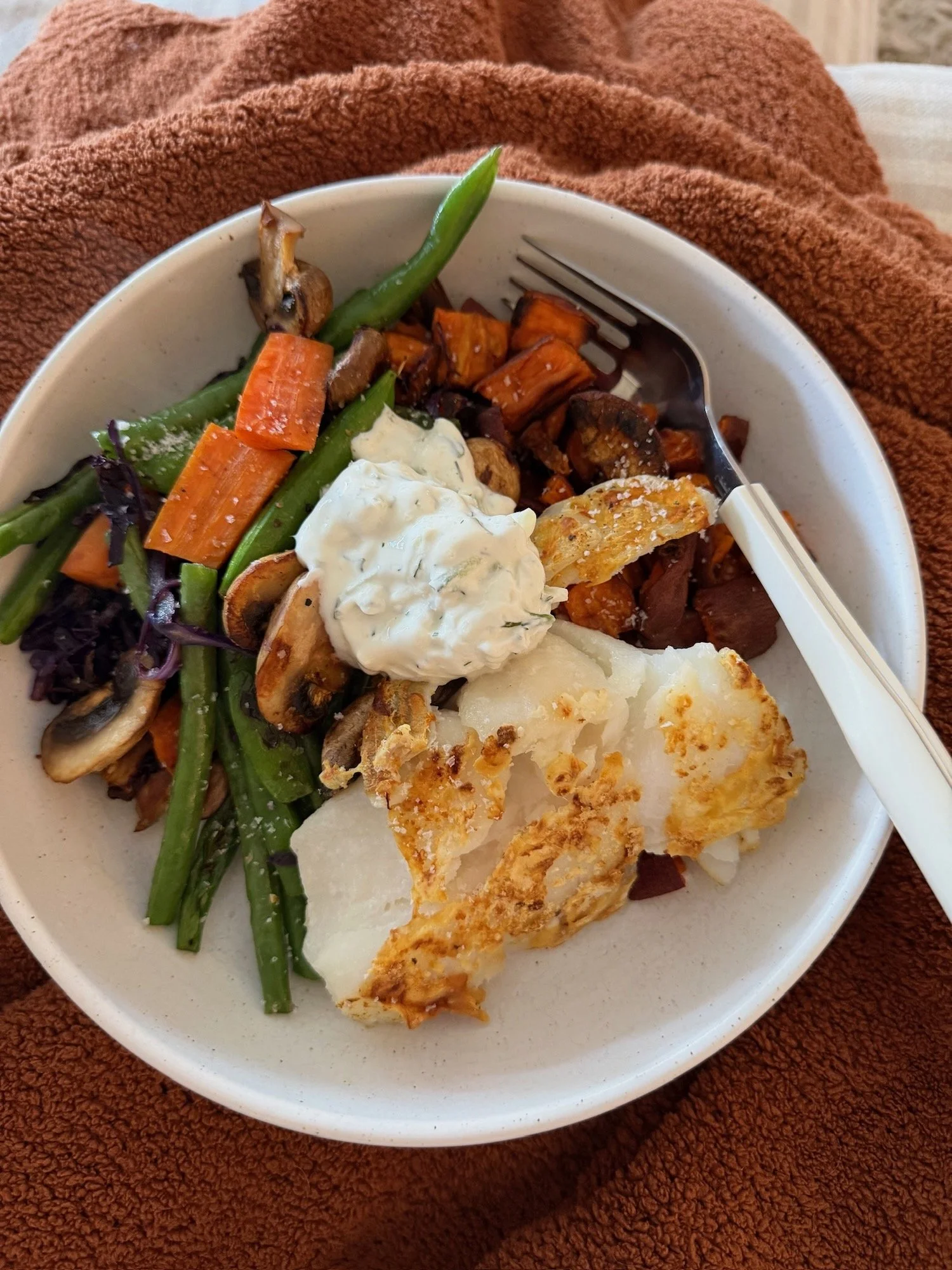
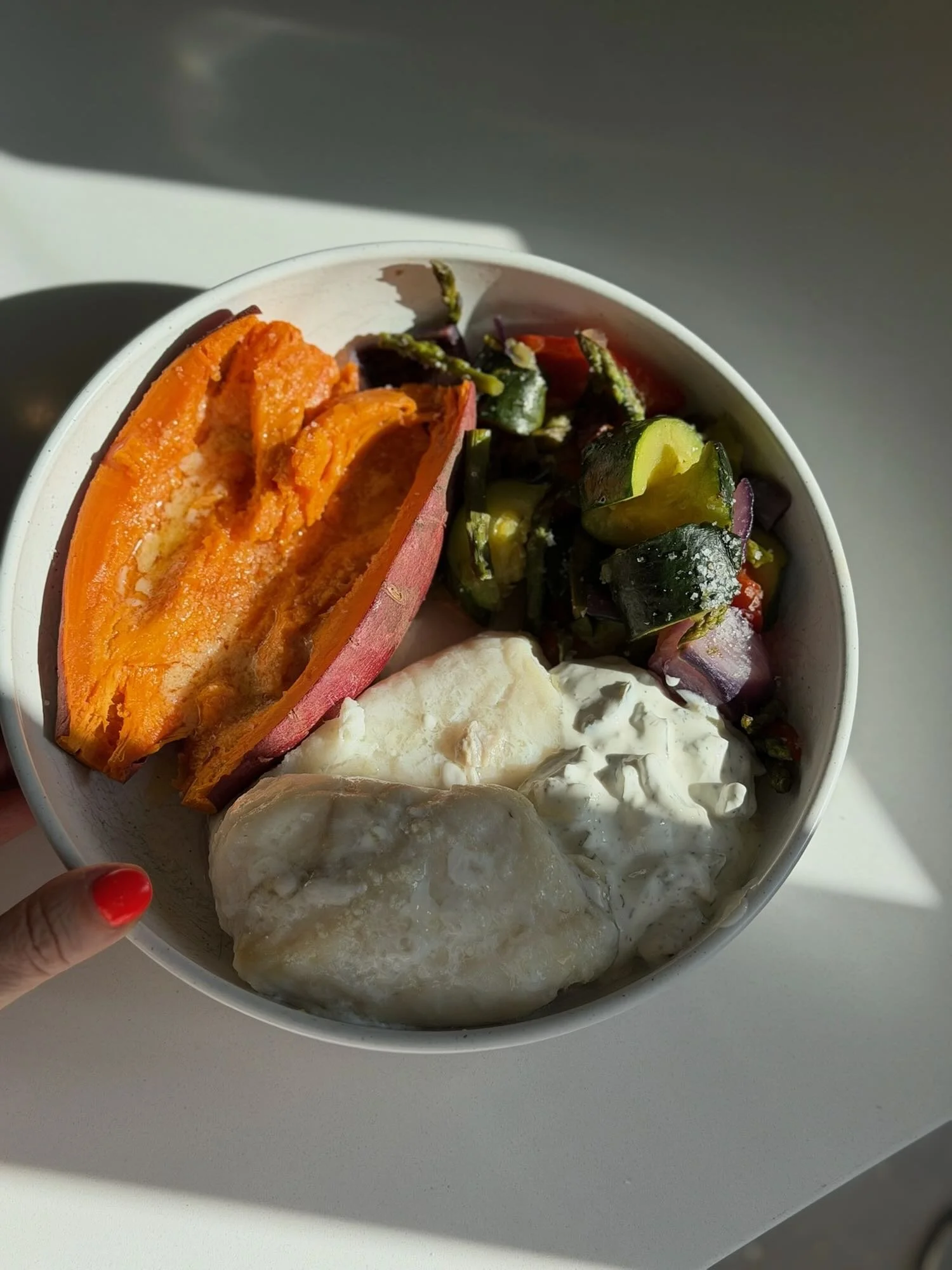
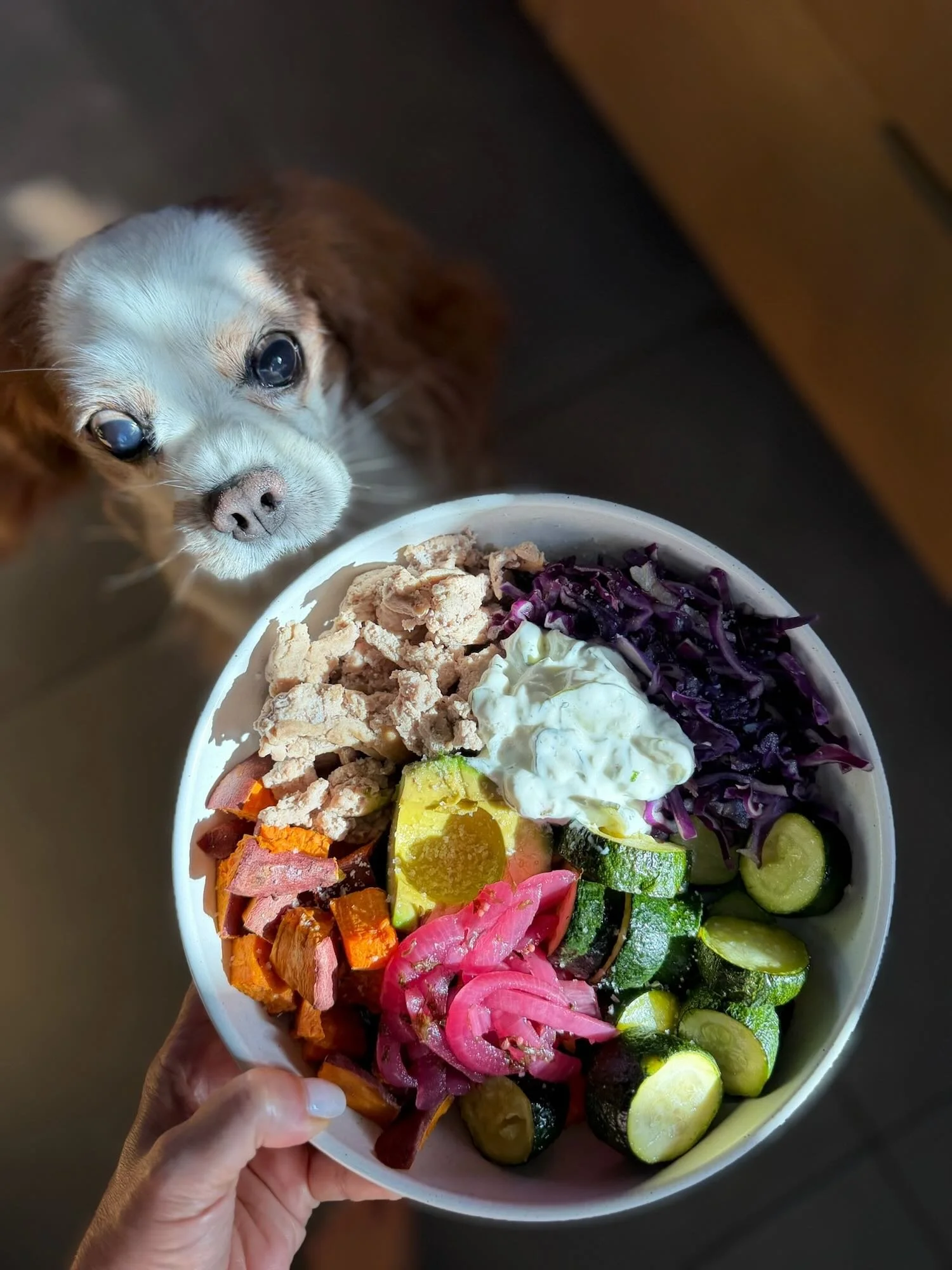
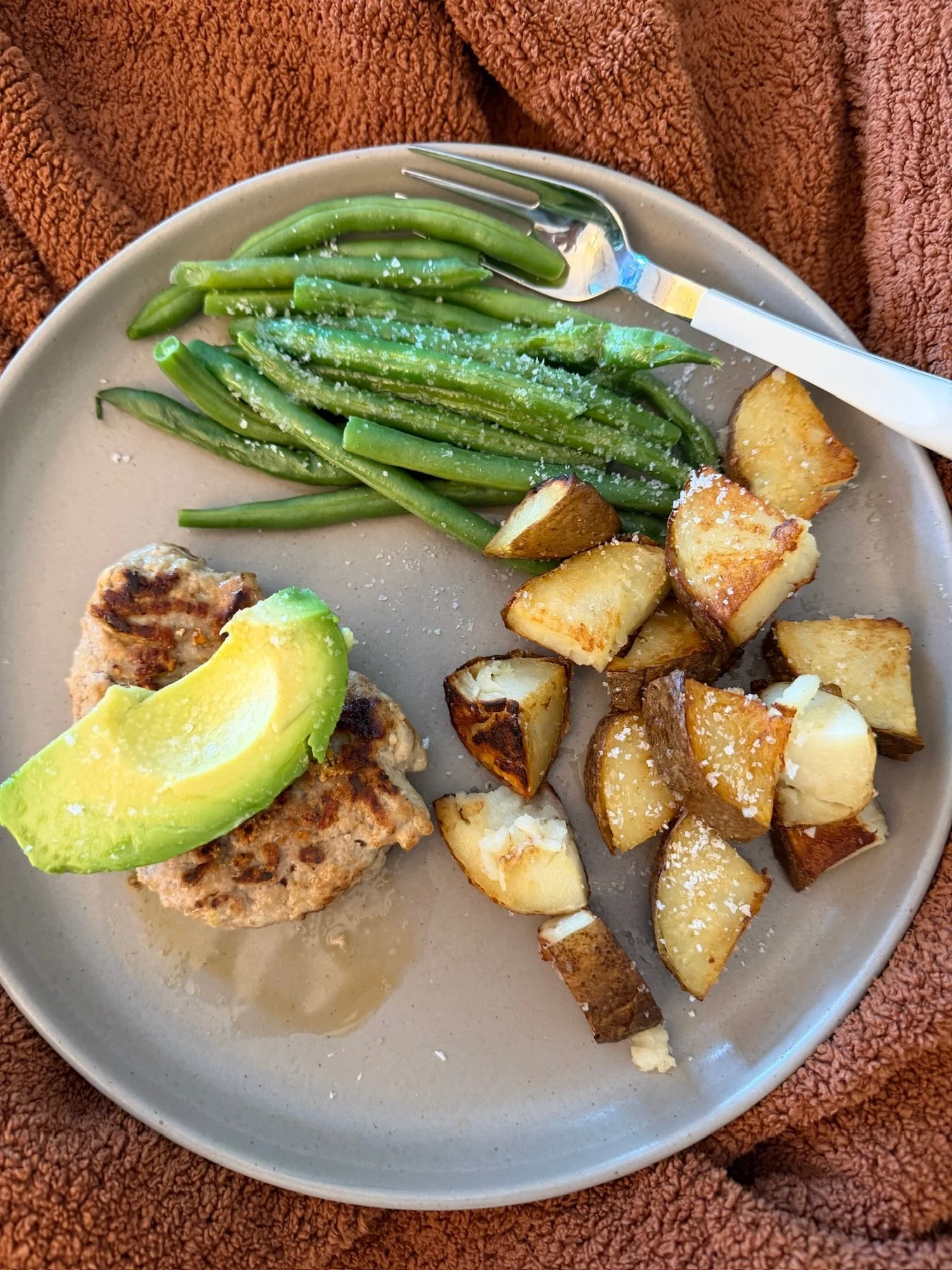
What those meals DO fill me with are protein, fiber, and nutrition, because food’s purpose now, is to keep me full. That’s it. And listen, I had about 46 years of food being whatever the hell I wanted. But now it’s a trade off. Food is to keep me full, it’s not to thrill me, and the payoff is immense. I still cook for the holidays and make rich, creamy meals for guests and have to actively steer my car away from the McDonald’s drive-through when a McDouble with extra pickles calls out to me. But I feel good, I look good, I fit into clothes, I have gorgeous blood pressure, and I’m treating my body with the immense respect it deserves at almost 50.
But there is a grief to it.

Audie Metcalf is the Editor-in-chief of The Candidly, and lives in LA with her family. You can find more of her articles here.
This article is for informational purposes only. It is not intended to be used in place of professional advice, medical treatment, or professional care in any way. This article is not intended to be and should not be a substitute for professional care, advice or treatment. Please consult with your physician or healthcare provider before changing any health regimen. This article is not intended to diagnose, treat, or prevent disease of any kind. Read our Terms & Conditions and Privacy Policy.
At The Candidly, we try a lot of stuff so you don’t have to. We only recommend things we truly love, and that we think you’ll love, too. All products are chosen independently by our creative team, and all details reflect the price and availability of products at the time of publication. If you buy something we link to, The Candidly may earn a commission.
We have to eat.
