
We Got This Life-Changing Tip From A Doctor About An Organ No One Is Talking About In Perimenopause
We tried it the same day and have been doing it ever since.
by The Candidly Team
Back in our 20s, when we showed up at our gyno with UTI symptoms, we got asked if we were sexually active.
How we miss those days. Now, it’s a little more like, “Oh, do you still get a period?”
Bladder infections can actually become more commonplace in perimenopause, a topic we wrote all about HERE. Our Editor-in-Chief recently asked her M.D. for any tips on prevention, and at first, she gave her the usual rundown of things like:
Drink lots of water.
Wipe front to back.
Pee after sex.
Wear looser clothes and cotton underwear.
Try probiotics and/or cranberry supplements.
But then she added one more thing: Wait an extra 10-20 seconds or so on the toilet to see if their might be just a little bit more pee to let out.
Ok, that was new. We started doing it, and sure enough, we found that we hadn’t been completely emptying our bladders.
It got us thinking, what else do we NOT know about our bladders? We’re sort of slaves to them, and yet, do we even understand them? What keeps them healthy? What makes them tick (or leak)? We decided we needed to know more. And here’s what we uncovered.


A Bit Of 101 on the Perimenopausal Bladder
Let’s get right into it. Here are some things that can happen to our bladders during perimenopause:
The tissues in the vagina get drier, lose blood supply, and become less stretchy and elastic. This is why we can experience things like pain during sex, a burning sensation when we pee, a feeling like we have to pee all the time, bladder leakage, and yup, more UTIs.
But WHHHYYYYY?
If we have to type the words “estrogen loss” into a health article one more time we’re going to scream into a couch cushion … but yeah, it’s estrogen loss. It’s a driving force behind that dryness and lack of stretch we talked about. It also causes our pelvic floors and all those lovely muscles that lift up our bladder to weaken. Simultaneously, the lining of our urethra starts to thin, which is what allows for little bits of urine to escape.

So what can be done about all of this?
Obviously, different problems call for different solutions. Some of us get phantom I-have-to-pee signals, and some of us are out here trying to fisticuff a budding UTI.
But there are certain steps we can take for general bladder health, and because we are the kind of people who like to scroll to the solutions section of an article, we’re just gonna put them all right here. Also, because we get rather disappointed when those solutions are the same old, generalized, tell-us-something-we-don’t-know kind of suggestions, we’ve included a few you may not expect:
1. Know when to go.
Knowing when to head to the bathroom is something we learn as toddlers, and yet, it gets a little more complicated around our 40s. On the one hand, we shouldn’t hold it when our bladder is full because that could cause our muscles to weaken and set the stage for a UTI. On the other hand, our brains can be fooled into thinking our bladders are full when they’re not. If we go too frequently by doing things like peeing preemptively or “just in case,” it can train our bladders to hold less volume and increase the urge to pee over time.
If you pee more than 8x an hour or wake up more than twice to pee at night, you may have an overactive bladder, and it’s a good idea to see your doctor, who can help diagnose the cause and guide you on techniques to train your bladder to hold out longer between urges.
2. Sit on the toilet for an extra 10 seconds.
While sitting on the toilet for more than 10 minutes is apparently a bad idea and can contribute to things like hemorrhoids, anal prolapse, and the weakening of your pelvic floor, sitting for an extra 10-20 seconds after you pee then seeing if a bit more comes out can help protect against UTIs.
3. Teach your bladder who’s boss.
Bladder training is a real thing for those of us with overactive bladders. It can mean adding incremental wait times between trips to the bathroom and eventually even creating a schedule. Obviously, your doctor will be able to help map out what specific method is best for you, but definitely do not give up hope as building back bladder strength is possible.
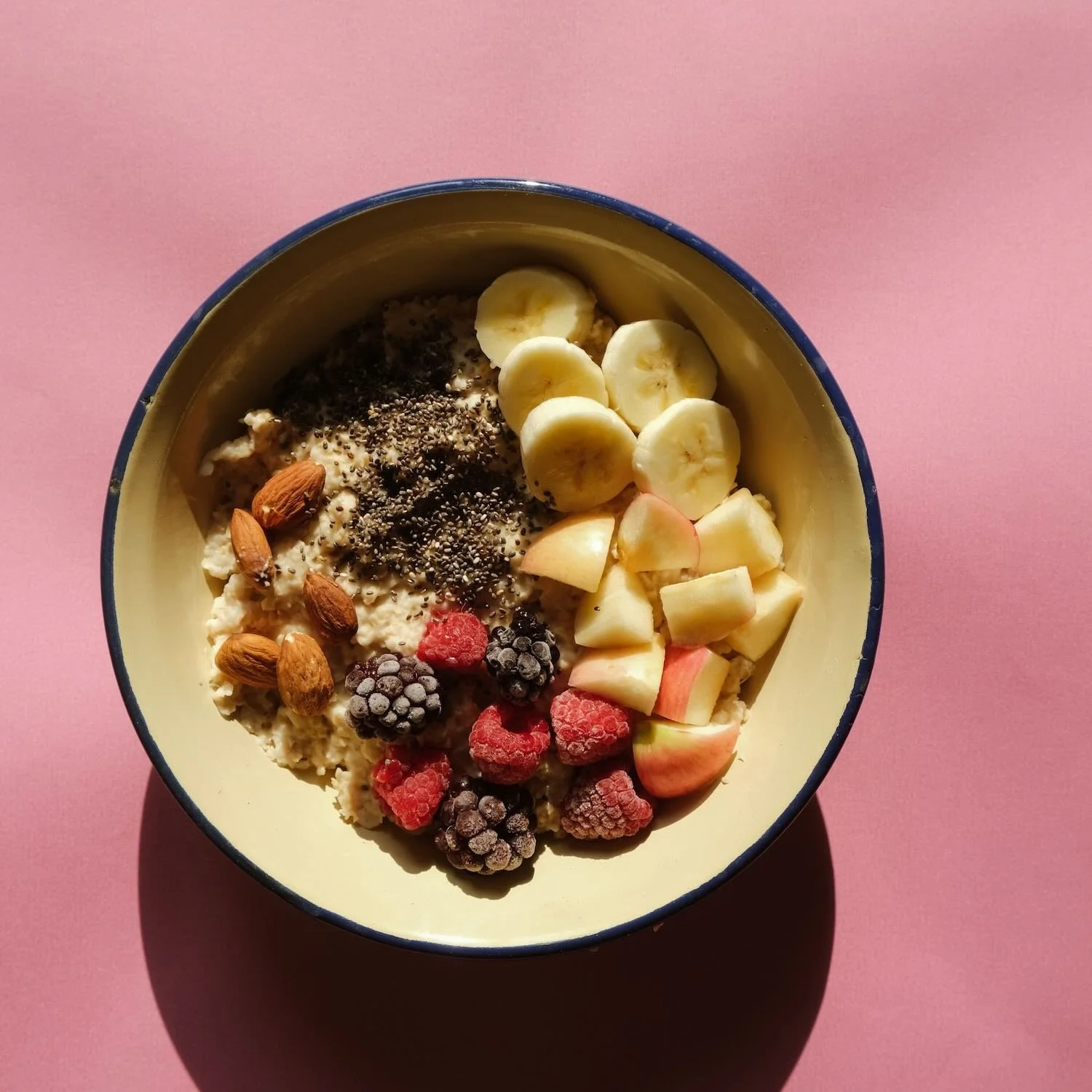
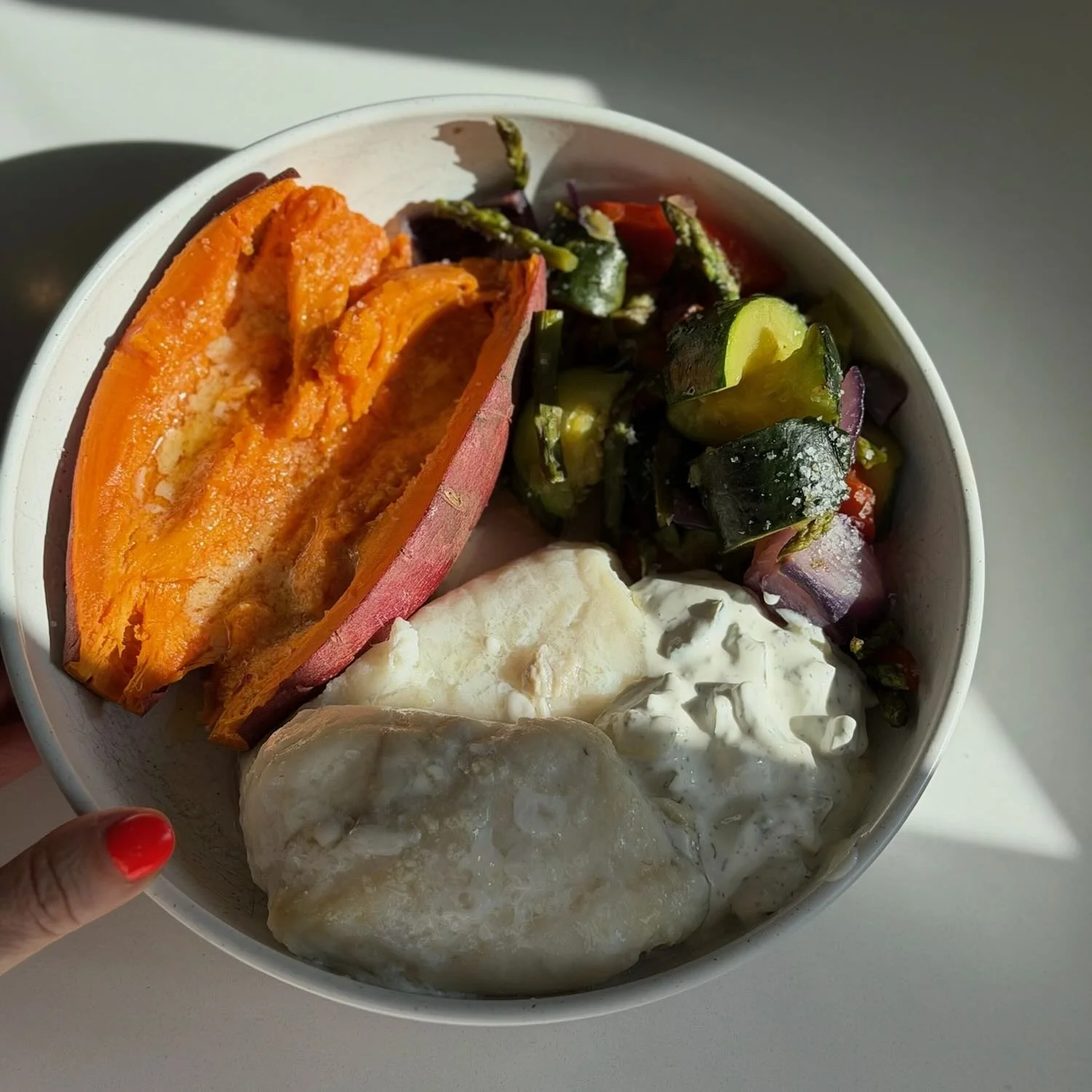
4. Eat more fiber.
Constipation can put pressure on the bladder, making you feel like you have to pee all the time. Eating fiber is one of our most powerful tools to prevent it. Fiber supports our gut, microbiome, and digestion, and more plainly, it bulks up and softens our poop, making it easier and more likely to go.
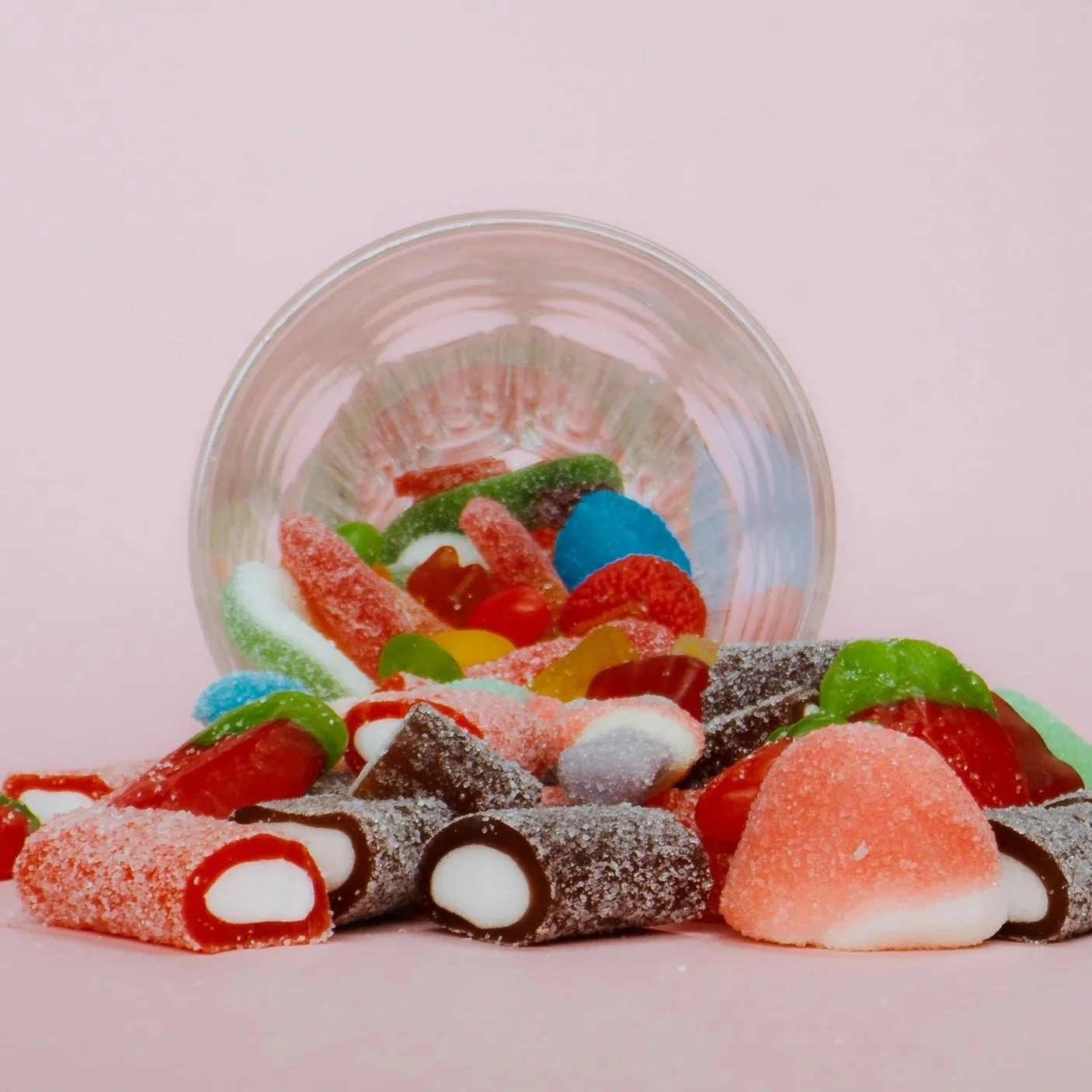
5. Cut back on ultra-processed foods.
A recent study found a u-shaped association between ultraprocessed foods and overactive bladder. Do they know exactly why? No, more studies are needed for that, but what we do know is that ultraprocessed foods can contribute to constipation, and constipation can put pressure on the bladder, making you feel like you have to hit the ladies room far more frequently. UPFs can also contain certain bladder irritants such as artificial sweeteners or carbonation.
P.S. Other foods that can irritate the bladder most include: alcohol, coffee, tea, soda, chocolate, artificial sweeteners, and acidic foods. RIP Diet Coke :*(
6. Drink water (we gotta say it).
The number of ounces for each person varies, but the sweet spot, according to the National Institute on Aging is to drink enough to have to pee about every three hours. There are some medical conditions, particularly involving the kidneys, where you have to limit your water intake, but for most of us, we need reminders to drink enough. HERE’s how we do it.
7. Treat your pelvic floor like it’s the new core.
And by that we mean, work it out. Make it strong. No one wants to leak every time they sneeze or to to wake more than 0-1 times in the night to pee. Pelvic floor exercise supports the urethra and can help prevent these issues.
8. Consider a cotton undie switch-up.
Certain materials, especially tight, synthetic ones can increase moisture and bacteria growth. Breathable, cotton underwear can be a real godsend. THESE* are our favorites FYI.
9. Talk to you doctor about supps.
Different issues are gonna call for different things, but when it comes to UTIs, some of the common recommendations include cranberry supplements, D-mannose, and probiotics. We’ve had great luck with Uqora regimen* (not sponsored or sent for free), which incorporates all of these along with other vitamins and ingredients that supposedly support bladder health. That said, and you know this, you should talk to your doctor before taking anything.
10, Oh and of course … wipe front to back. pee after sex (and before if poss), exercise often, and maintain a healthy weight.
Good luck and godspeed, and if you’re feeling as pissed as we are about the slew of perimenopausal symptom cards we get dealt in what might otherwise be our golden era of life, then at least remember we’re right here with you, probably waking up at 3AM to pee.
This article is for informational purposes only. It is not intended to be used in place of professional advice, medical treatment, or professional care in any way. This article is not intended to be and should not be a substitute for professional care, advice or treatment. Please consult with your physician or healthcare provider before changing any health regimen. This article is not intended to diagnose, treat, or prevent disease of any kind. Read our Terms & Conditions and Privacy Policy.
