
3 Annoying Things To Prioritize TONIGHT That Make You Look Glowier And Younger Immediately
Ugh, they just work.

Image: Universal Pictures
by The Candidly Team
We could keep trying to crack the code where health and beauty are concerned but some things are just staring us in the face.
And all of the noise on how to "hack” our health just makes it harder to actually do those things.
Well, there are 3 no frills, non-sensational things we started doing lately to become our glowiest, most vital selves, and we regret to inform you, it’s all worked.
They’re not always easy. But they are simple. And the difference they make is nothing short of monumental.



1. Get your 8 hours of sleep.
Everyone gets so bored when we tell them to sleep more, because yes, sleep is boring. But glossing over it in every article is really only shooting ourselves in the foot … and in the face it turns out. Did you know that “chronic poor sleep quality is associated with increased signs of intrinsic aging, diminished skin barrier function and lower satisfaction with appearance?” It could even affect our immune function, which can impact collagen production.
We need sleep to look youthful and pretty. No amount of face cream is gonna erase our habit of scrolling TikTok til 2AM then waking up at 6:30.
But before you accuse of being superficial, let’s talk about WHY it’s so critical. A recent Columbia University study found that “ too little and too much sleep are associated with faster aging in nearly every organ.” Our cells repair and regenerate during sleep, and it contributes to the strength of our immunity.
Short sleep (under 6 hours) has been “significantly associated” with depression and anxiety, obesity, type 2 diabetes, hypertension, and heart disease. Both short and long sleep (more than 8 hours) were associated with certain long-term lung diseases, asthma, and digestive disorders.
2. Do a very, very, very simple weight routine.
We have to lift heavy things. We know this in our rapidly weakening core. Our muscle mass starts to dwindle in perimen-and-menopause, and to counter it we must, must, must muster the will to strength train.
If you need some very speedy motivation, here’s our most persuasive facts:
Muscle mass means robust metabolism which means we’re better able to maintain our weight after 40. Otherwise, it’s kinda hellish.
Weight training boosts bone density, and strong bones are critical in preserving our bodies now, before it’s too late.
It helps fight anxiety and depression and diminish cognitive decline.
It lowers the the risk of chronic diseases like heart disease, diabetes, and arthritis.
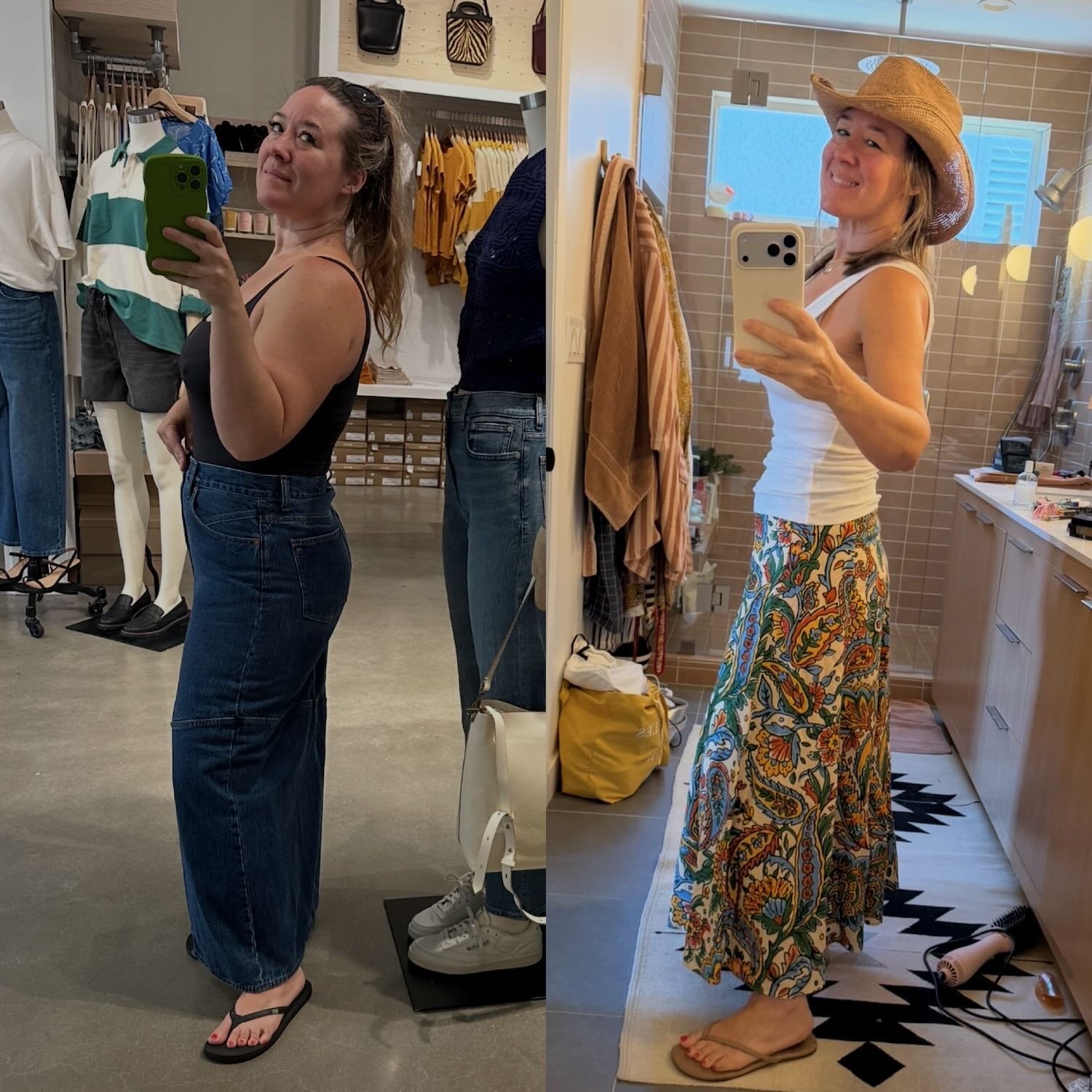
Ok, now we’re motivated, no? Or do we need to show you a photo of this woman we just interviewed whose body transformation is basically the mental image we conjure when trembling to get through our last 3 bicep curls?
The bottom line is you can find whatever routine works for you, be it a new TikTok video every week or keeping dumbbells by the TV to do the same set of reps that take you through the technical challenge in Bake Off. Just try for at least 3 days a week And if you want to see the routine we do 3 days a week, HERE it is. No frills. Just consistency.
3. Eat up … protein, specifically.
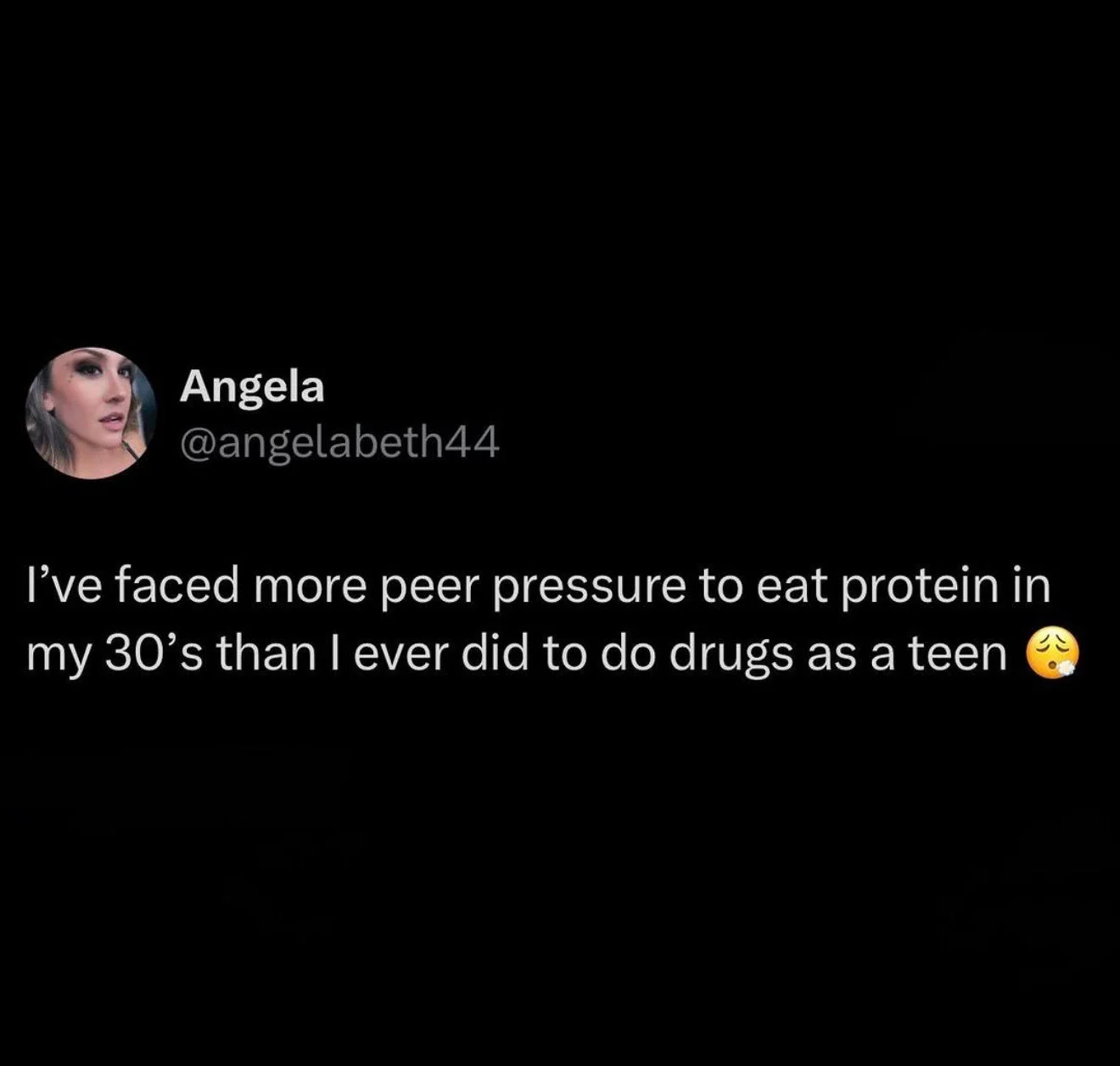
We know we need it to build muscle. We know we need muscle to keep our metabolism barreling away. Protein is a macronutrient that keeps us feeling satiated, so not eating enough can leave us hungry and snacky and searching for more and more calories. It can also contribute to things like moodiness, dry skin, brittle nails, and a slower immune response.
But we already know we need protein. It’s a key building block to our strong, glowy health goals. So now the real question, how much do we actually need?
If you’re over 40, protein recommendations are about 1-1.2 grams per kilogram of bodyweight. If we exercise regularly, this can raise to 1.1-1.5 grams, and if we lift weights, we may need 1.2-1.7 grams, according the the Mayo Clinic. If you’re obese, it’s best to consult your doctor about what number is best for you.
To do the math, divide your weight in pounds by 2.205. This will give you your weight in kilograms.
Multiply that number using the above info for reference. For example, if you’re active and over 40, you may multiply it by 1.1-1.5 grams.
You can use this final number as a general guideline for how much protein you need. Everyone’s needs are based on their specific health, weight, and workout routines, but if numbers help you get motivated, you can use this as a reference.
This article is for informational purposes only. It is not intended to be used in place of professional advice, medical treatment, or professional care in any way. This article is not intended to be and should not be a substitute for professional care, advice or treatment. Please consult with your physician or healthcare provider before changing any health regimen. This article is not intended to diagnose, treat, or prevent disease of any kind. Read our Terms & Conditions and Privacy Policy.
