
This Study Says You Burn More Fat Doing This Rather Than Running
But is it actually better for weight loss?

Image: The Parent Trap | Walt Disney Pictures
by The Candidly Team
A woman walks on a treadmill at 12% grade incline at 3 mph for 30 minutes a day for about 5 days a week. She loses 30 lbs which she keeps off for at least 2 years. She talks about it on the internet and boom, we have a new health trend. To no surprise, it’s called 12-3-30.
Sounds simple, no? I mean she certainly makes it sound simple in this (admittedly kinda inspirational) video:
We have to concede, with all the health things being thrown our way, the idea of just walking uphill for 1/2 an episode of Bake Off sounds pretty darn good. Not easy. But concise. Doable.
But does it really work?
Well, a new study from the University of Nevada has some insight on that. Apparently, it found walking at an incline could burn more fat than a self-paced run. To be precise, participants who walked at an incline burned about 40% of their calories from fat where the runners burned about 33%.
So yes, walking uphill is good. Very good. But there’s more to the story.


Is walking at an incline better for weight loss than running?
Because of the intensity of walking uphill, you might indeed burn more calories from fat when doing it. However, in the same amount of time you spend doing both activities, running will burn more calories overall, so it could still be more favorable for weight loss in the long run. Basically, you need to spend more time walking at an incline than you do running to burn the same number of calories, and burning calories is still the name of the game when it comes to losing weight.
That said, some people may prefer this method to a run for myriad reasons. As physician Cristina Del Toro Badessa, MD put it when being interviewed on the subject for GQ, “Incline walking is easier on the joints [than running], and it's just something you're probably more likely to do.”
And isn’t that kind of the real question here?
Of all the fitness plans available to us what is the one activity that we’ll actually do … and stick to?
Recently, our Editor-in-Chief documented her own 50lbs weight loss journey, using no drugs or injections - just a good, old-fashioned system of monitoring calories in versus out, walking everyday, and weight training at home a couple times a week. We have written more articles than you can imagine about the magical, fat-burning, life-extending rewards of brisk walking. So, of course, incline walking is going to be huge for our health.
Let’s talk about all the benefits we can get from walking uphill.
1. You’ll burn more calories than walking on a flat surface. Not to state the obvious, but you’ll also burn more fat by staying in that intense zone.
2. Your legs will start to get gloriously toned.
3. It’s exceptional for your heart.
4. It’s a great, low-impact option if you’re injured or if running is too hard on your joints.
5. It lifts your booty by strengthening your glutes.
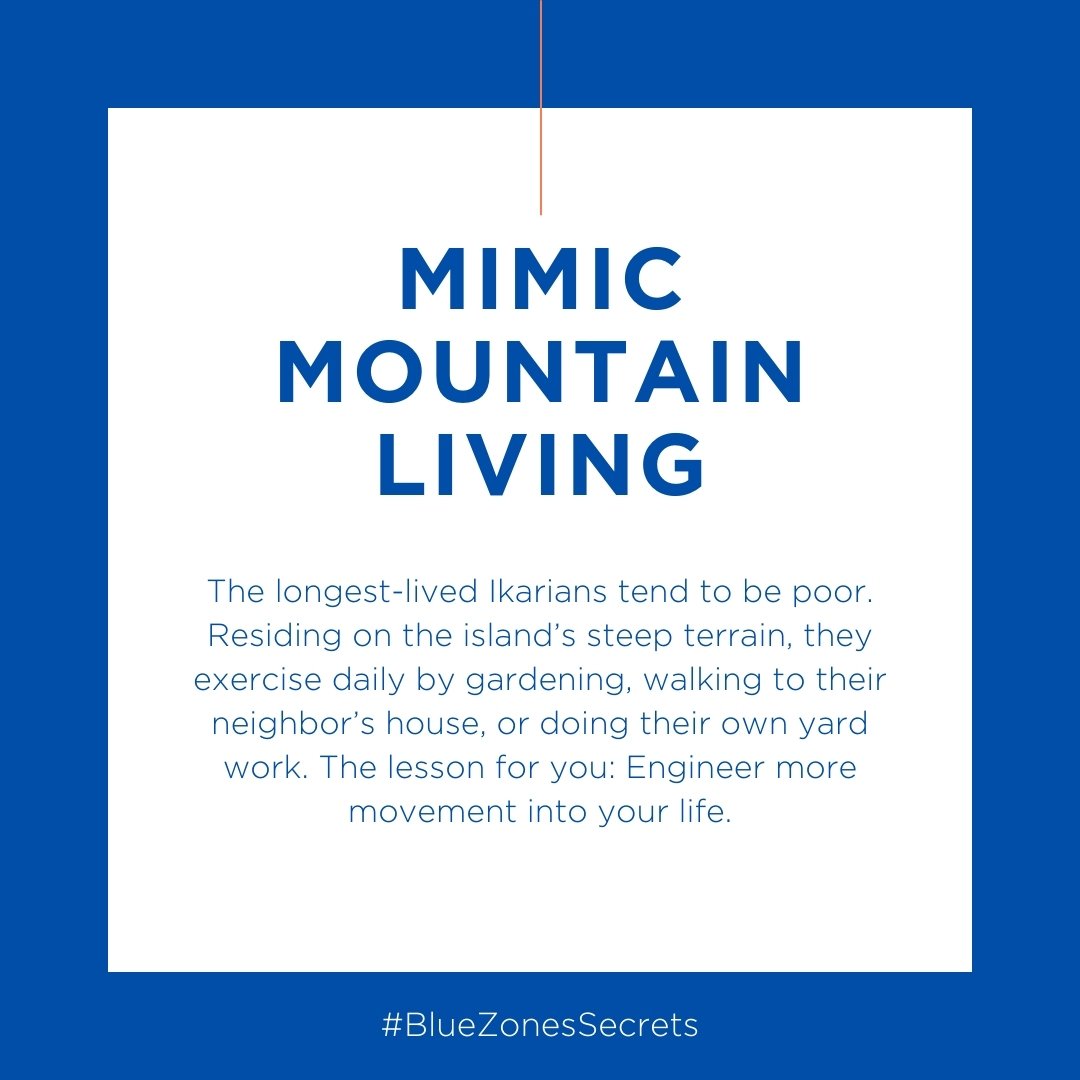
6. It could help you live longer. Residents of the Greek Island Ikaria are famous for more commonly living to be over 100, and the Ikarians who live longest tend to be the ones living, walking, and working on the steepest terrain.
How do I get started?
First off, the 12-3-30 workout may not be easy, but it’s certainly a great activity to aim for. Again, it’s a matter of walking on a treadmill at 12% incline and 3mph for 30 minutes each session. As the Cleveland Clinic wrote, “Given the treadmill incline level, this workout routine will torch calories like a five-alarm fire.”
It’s very likely you’ll have to build up to this pace and/or incline based on your fitness level so take your time, be patient, and don’t expect to be able to do it all on day 1.
Always consult your doctor if you have any health concerns or plan on starting a new program. And lastly, don’t neglect strength training in the name of “fat burning,” because women over 40 absolutely must maintain muscle in order to keep their metabolism strong.
Other than that, keep on climbing.
This article is for informational purposes only. It is not intended to be used in place of professional advice, medical treatment, or professional care in any way. This article is not intended to be and should not be a substitute for professional care, advice or treatment. Please consult with your physician or healthcare provider before changing any health regimen. This article is not intended to diagnose, treat, or prevent disease of any kind. Read our Terms & Conditions and Privacy Policy.
