
Why Is My Body Suddenly…Fully Changing Shape?
Grrrrrrrr.
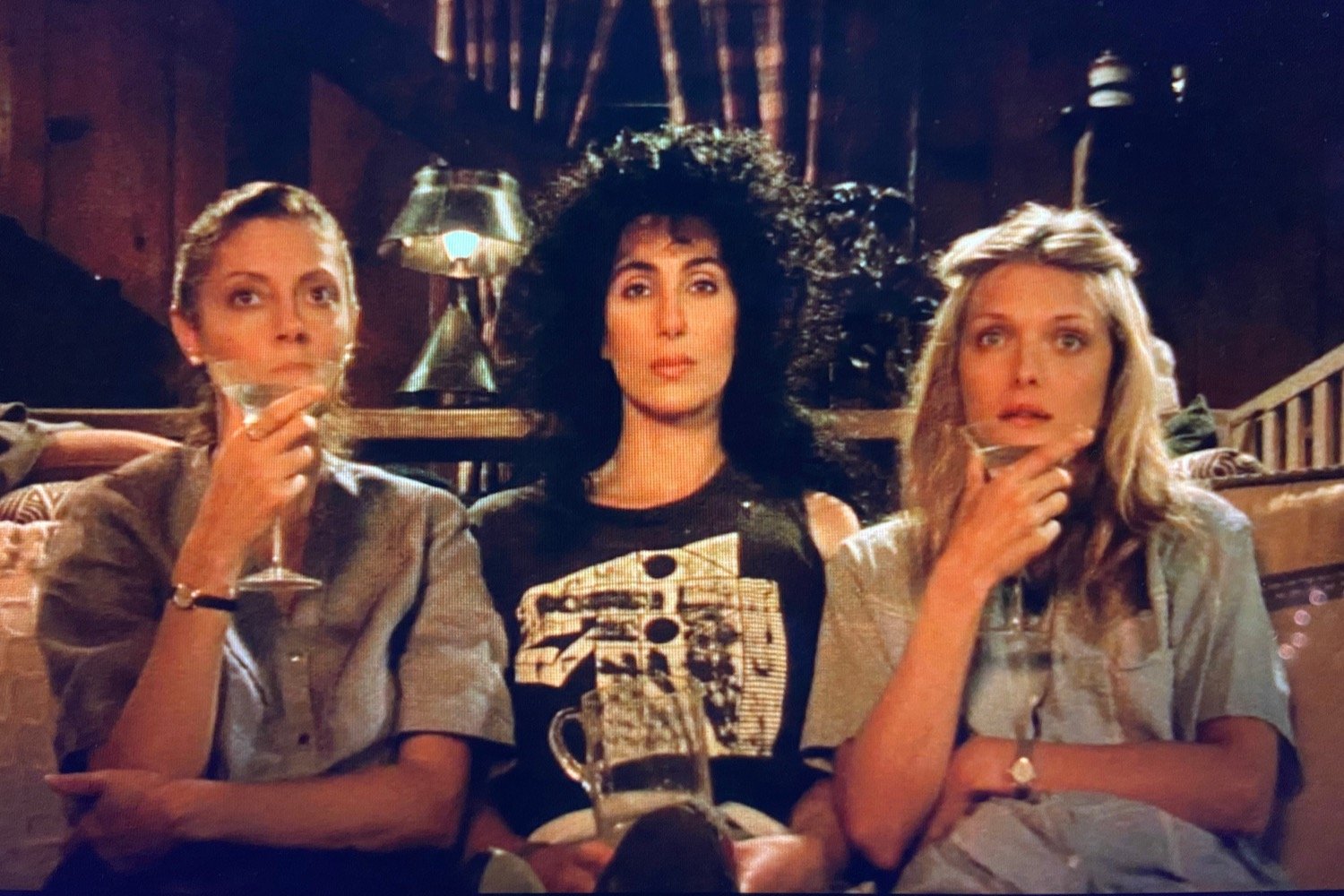
Image: Witches of Eastwick | Warner Bros.
by The Candidly Team
It’s not your imagination. The body you’ve spent decades grasping to get comfortable with is now transforming into something … else. Something less familiar.
It’s not just weight gain. It’s your actual shape.
Maybe you’ve always been a pear with a tiny waist-to-hip ratio that gave you a defined hourglass, and now you’re more straight or rectangular.
Or maybe your belly which was always flat is now rarely without a pooch.
The clothes you’ve learned are most flattering on your shape are suddenly less reliable. Your eternally toned legs are looking a little lumpy and bumpy.
This isn’t some negative reflection on you or some dooming sign you’re no longer attractive.
They’re just some of the realistic bodily changes that can arise around perimenopause and menopause. And they may require a little adjusting on our part.
Yes, a massive piece of this is continuing to do the mental work to STOP being assholes to ourselves about every single aspect of our bodies. But another piece is getting to know what these changes are, what they come from, and what health habits are helpful to ensuring we feel our most magnificent in our newly configured silhouettes.
This is the invisible work of aging gracefully. And we’re ready to get started.
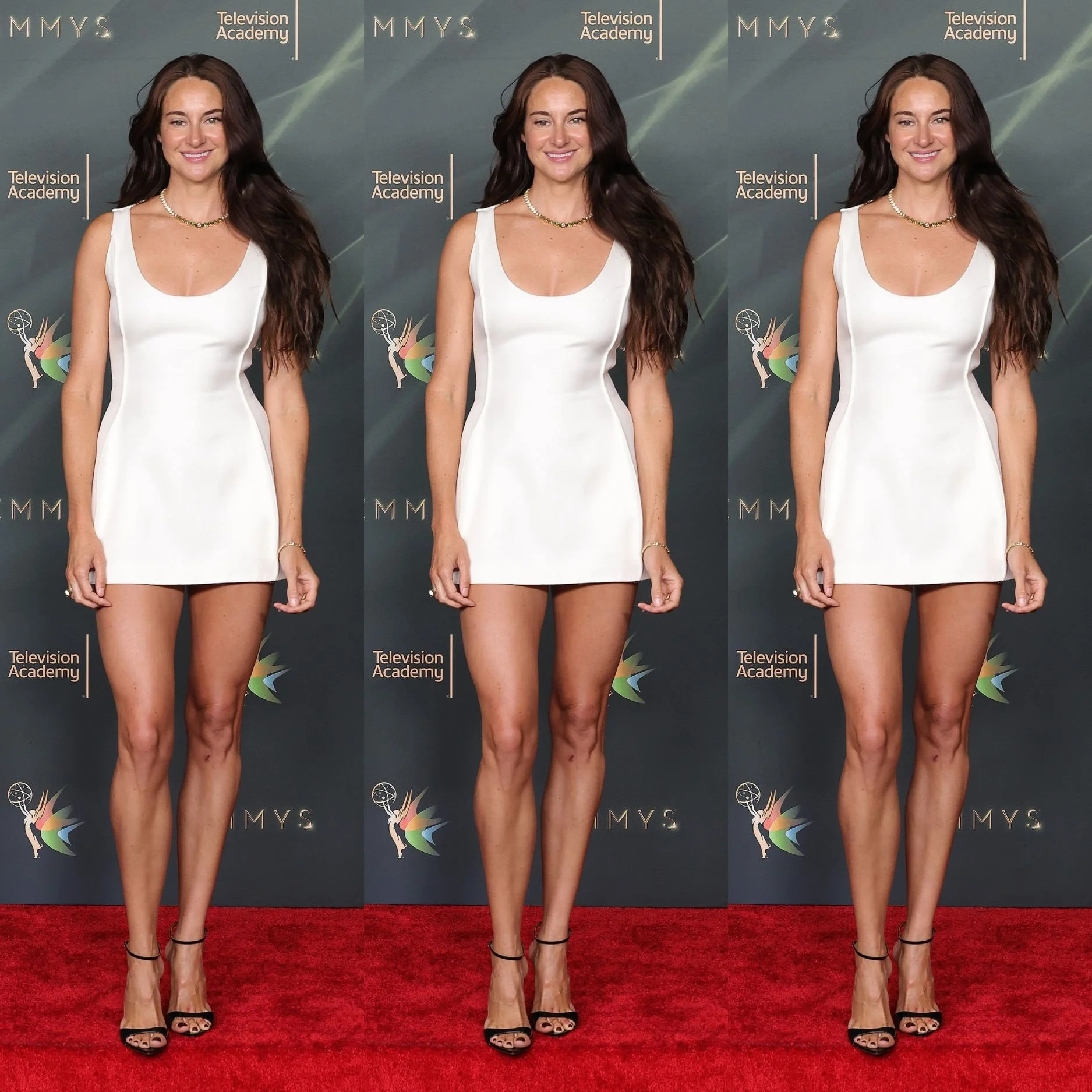
So what changes can you expect and more importantly, what can you do about them?
1. Your weight is redistributing.
There’s a reason we get straighter, wider, or more Grinch-shaped when we hit mid-life. Hormones, estrogen especially, help map out where our weight gets distributed. When estrogen dips, more fat tends to build in the belly. This might show up as a belly pooch or as a widening of our waistline so we look more rectangular and less hourglassy. There are some health risks associated with increased abdominal fat, particularly visceral fat, which we wrote more about HERE.
Interestingly, you can start to see more belly fat even without seeing a different number on the scale. According to Women’s Health, this can be a sign you’re losing muscle mass and gaining visceral fat which gathers around the organs.
What to do: If you notice changes where your belly is becoming bigger, it’s a good idea to talk to your doctor and rule out anything more medically serious that could be going on. Otherwise you should strength train (more on why that is later), stay active, eat well, and sleep better. Soooo easy, no?
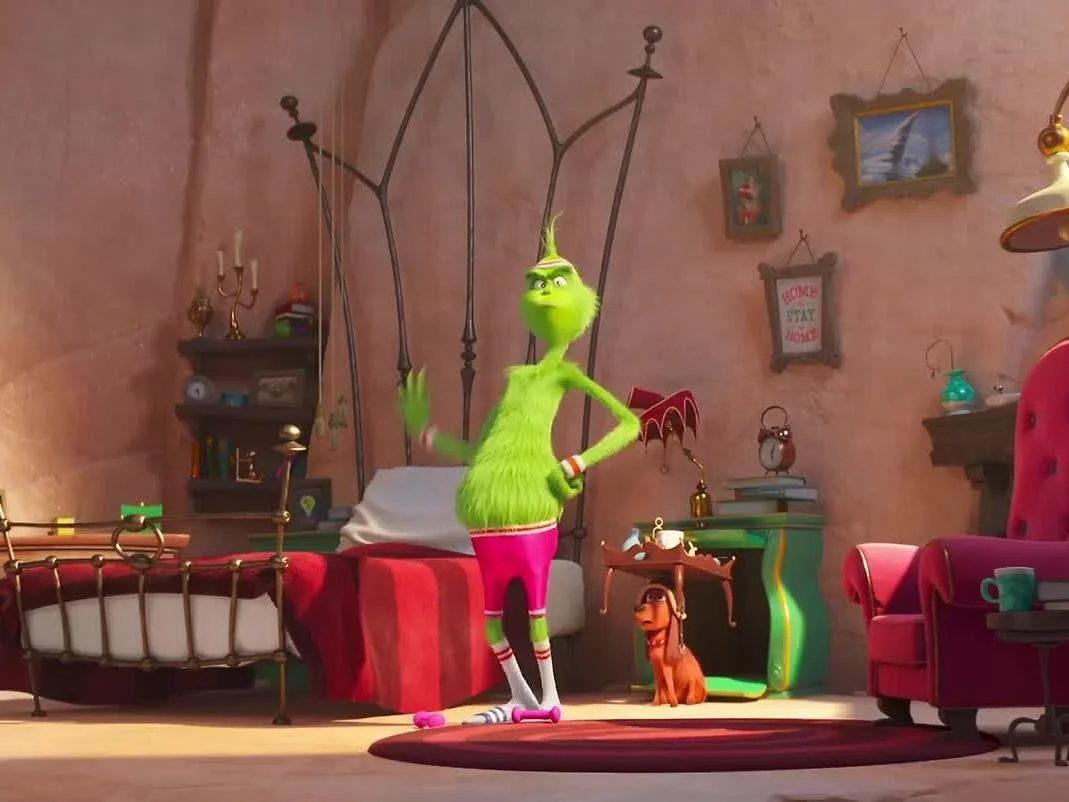
Image: The Grinch | Universal Pictures
2. You’re also gaining weight. Plain and simple.
As we get older, our weight can feel like it’s on an incline even when our eating habits stay exactly the same. This can leave us confused and demoralized, which are two things we really don’t want to feel about food and weight as it tends to cue “giving up” behaviors.
Increased weight gain has to do with a combination of hormonal changes, loss of muscle mass, inactivity, genetics, and poor sleep, all of which can accelerate during perimenopause and menopause.
What to do: Of course maintaining a healthy diet is critical. We all know this. Eating more fiber and protein and whole foods will make you feel fuller for longer.
That said, losing muscle mass is a HUGE piece of the puzzle, because it slows down your metabolism, so you can eat the same food you always did and suddenly gain weight. Fewer calories burned means fewer calories we can consume without gaining fat.
The antidote is to eat mindfully, keep up physical activity, strength train in order to build and maintain muscle mass, and sleep well so you are less inclined to scour your cupboards for caloric energy when really all you need is rest.
And if you want to see how one of us in our mid-40s recently lost almost 50lbs without drugs or diet fads, go HERE.
3. You’re less toned.
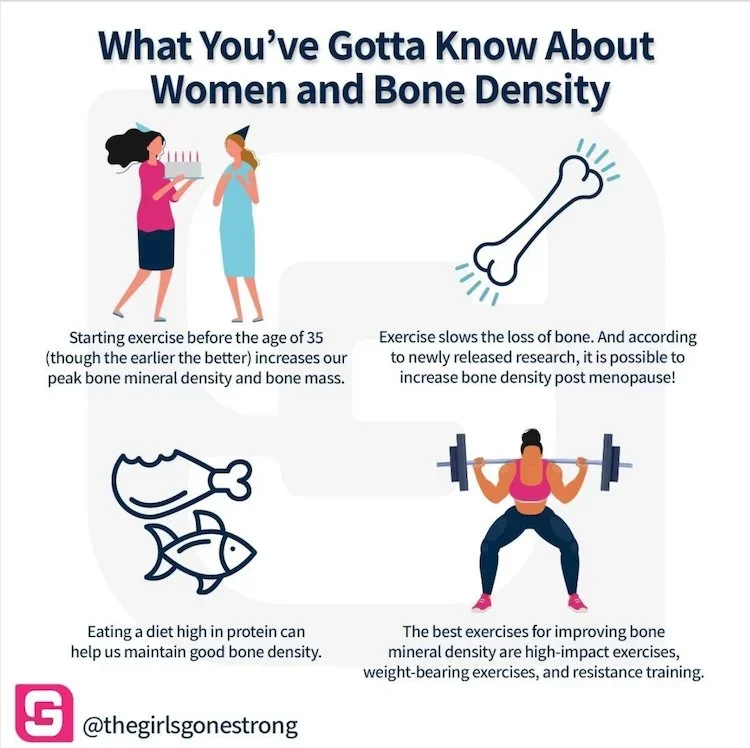
We won’t belabor the point. Your muscle mass and bone density start to decline as you get older, which can make you more susceptible to pain, fractures, injury, and arthritis. And yes, you can look less toned. On a much more superficial level, you’re also more susceptible to cellulite, a topic that is far less important but also annoying and misunderstood, so we dove into it HERE.
What to do: If you take nothing else from this article, let the one thing you retain be that strength training is CRITICAL to us ladies over 35. And a little cheatsheet to keep your bones strong includes:
Engage in weight-bearing exercise.
Get enough calcium and vitamin D.
Quit smoking: If you smoke, quitting can help improve your bone health and overall health.
Limit alcohol intake.
Talk to your doctor about bone density testing or screenings.
4. You’re developing a hump.
It’s called a dowager’s hump or hyperkyphosis, and it affects about 2 in 5 people over 55. But it’s not just an “old person issue.” While this hunched over curving of the spine can ramp up after 40, it’s actually affecting younger and younger people as cell phone and tech use has us leaning our heads forward. Also, women are at higher risk. Intervention means strengthening muscles and improving posture, and it should be done before it’s too late because once you have the hump it’s harder to get rid of.
What to do about it: Maintaining good posture is crucial. Other than that, limiting screen time, learning specific exercises (including THESE), and seeing a physical therapist can all help.
Although it can feel like so many of the physical changes of perimenopause and menopause are out of our control, we personally find relief in the fact that there is a huge amount of power we can take back through lifestyle changes. They’re not easy, but at least, they exist.
Ok, off to take a walk with a weighted vest, wearing a cute little set that smooths over our belly pooch, of course.
This article is for informational purposes only. It is not intended to be used in place of professional advice, medical treatment, or professional care in any way. This article is not intended to be and should not be a substitute for professional care, advice or treatment. Please consult with your physician or healthcare provider before changing any health regimen. This article is not intended to diagnose, treat, or prevent disease of any kind. Read our Terms & Conditions and Privacy Policy.
