
Are You Afraid Of Being Happy Because You Think Something Bad Will Happen? It Has A Name.
It’s called cherophobia. And it could be holding you back.
by The Candidly Team
The call came in. You got the promotion.
The venue emailed. It’s available for a June 4th wedding.
The owners accepted your offer.
Your kid just publicly thanked you in an instagram post.
Your mom just apologized for the first time in your life.
And what do you feel?
Fear.
Unease.
A sense that the center cannot hold. That the axe is about to fall. It feels impossible to simply sit in a feeling of happiness. All the hope and sweat and years put in, and you can’t even enjoy it.
Why is this? The answer could be cherophobia.


What is cherophobia?
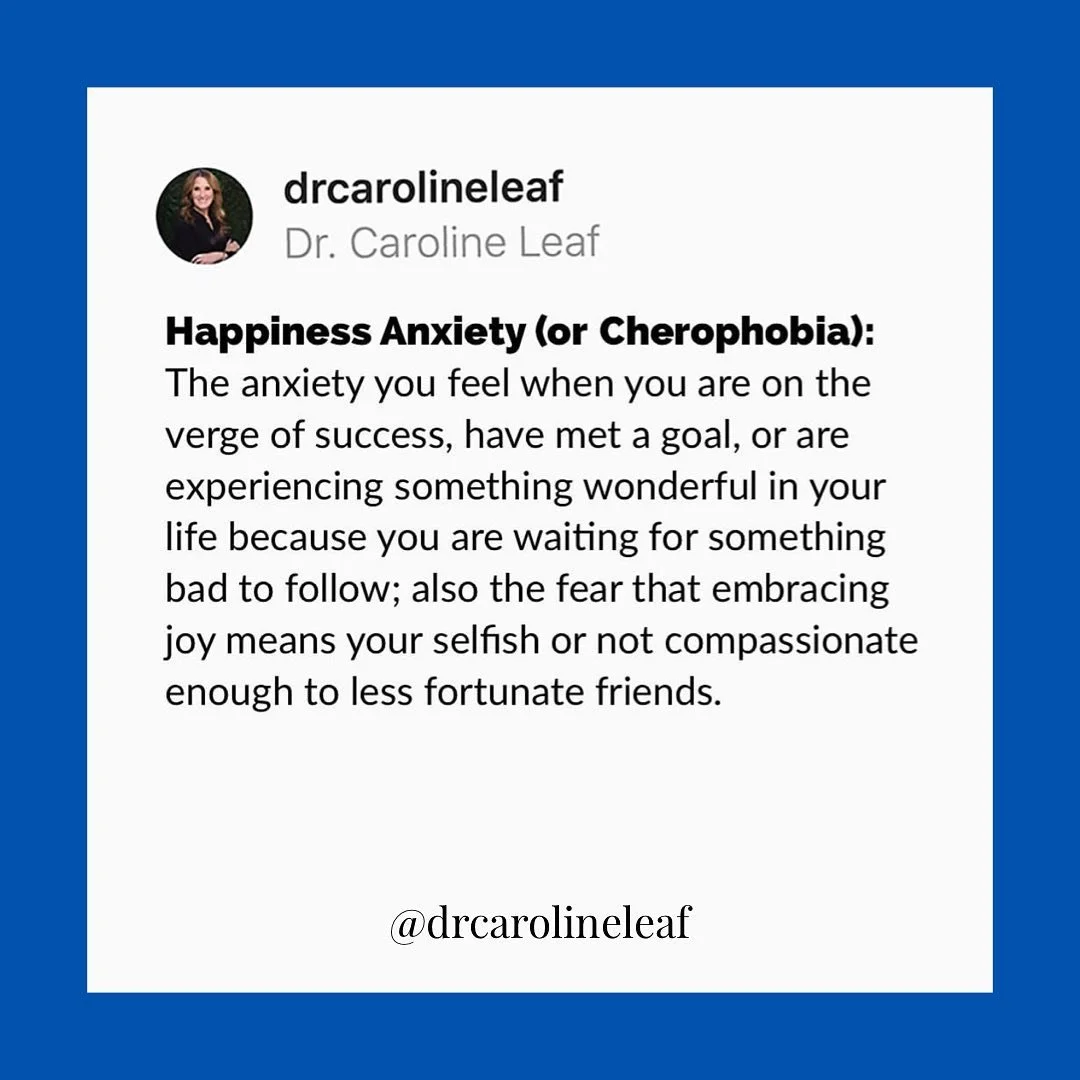
Cheraphobia describes a fear of being happy, a consistent worry that something bad will follow something good or that there’s something wrong with you for allowing yourself to experience joy.
If this all sounds like superstition, it sort of is. But imagine superstition on steroids. An actual phobia.
Cherophobia may not be something you’ll currently find in the DSM-5 manual of mental disorders listed as an “official” disorder, but it is an anxiety condition of which many therapists are aware. And it absolutely can eat away at a person’s happiness.
Suffering from cherophobia might feel hard to explain or even recognize fully. After all, shouldn’t we feel relief in getting what we want, not riddled in discomfort? “Fear of happiness may not be expressed verbally because one may not even be conscious of it. Physical symptoms often arise from unconscious conundrums,” wrote psychiatrist and author of The Creativity Cure Carrie Barron M.D. “The fear may manifest via a visceral feeling or by conjuring up a conflict with a loved one. Jitters, the sudden need to escape, an un-nameable anxiety, a stomachache, a headache, an argument might immediately follow a happy event.”
Possible symptoms can include:
Guilt over getting what you want
Fear of negative consequences of a happy event
Self-denial or avoiding things that might bring you happiness
Anxiety when positive things occur
Difficulty expressing positive emotions
Opting out of fun or enjoyable activities, especially social activities
Skipping out on opportunities for fear something bad will happen
Associating your happiness with being a bad person or being worse than other people

What causes cherophobia?
Cherophobia lives in the same family as other anxiety conditions and disorders. One study linked it to an unhappy childhood, one in which you may have experienced trauma or frequent punishment.
“If you are pleasure averse, it may be because somewhere along the way, wrath, punishment, humiliation or theft – you earned it and they had to have it– killed your joy,” wrote Barron. “Now you are afraid to feel it because the bubble burst/brutality is coming.”
Being raised in a critical environment or a household where being “perfect” was encouraged, holding superstitious beliefs, or having a tendency to feel more comfortable doing things alone or in very small groups have all been associated with a fear of happiness, according to AnxietyCentre.com. Both perfectionists and introverts may be more likely to be victims of cherophobia, reports Healthline.
Can cherophobia be cured? How?
When a fear of happiness is impairing or limiting your quality of life, help from a therapist can be unbelievably important. Cognitive Behavioral Therapy is commonly cited as a treatment option and may include exposure therapy in which you bolster up your ability to expose yourself to and tolerate the situations that you fear, situations mind you that could and should ignite happiness.
You will likely learn relaxation, calming, and mindfulness techniques to tolerate the thoughts, discomforts, and anxiety that may arise. Because of our anxious reactions to positive things, the guidance of a mental health professional can be a huge support. With exposure therapy, things often become less scary as our brains learn a new way of seeing the world. All of this can open the door to realizing any goals and desires that cherophobia can undermine.
This article is for informational purposes only. It is not intended to be used in place of professional advice, medical treatment, or professional care in any way. This article is not intended to be and should not be a substitute for professional care, advice or treatment. Please consult with your physician or healthcare provider before changing any health regimen. This article is not intended to diagnose, treat, or prevent disease of any kind. Read our Terms & Conditions and Privacy Policy.
