
Here Are The Top 10 Foods With The Most Fiber. Because We Realized None Of Us Knew Which Is Embarrassing.
We’re good on protein. We know exactly where to find it. But fiber? Murky.
by The Candidly Team
We’re not the first ones to tell you that you might not be eating enough fiber. Supposedly around 95% of Americans aren’t.
The reason we need so much fiber is not just for everyday digestion but for all aspects of longterm health, things like saaaay not dying of a heart attack, improving blood sugar levels, detoxifying our entire system, lowering inflammation, and actually feeling full instead of hungry every 37 minutes because we eat what we can grab, and what’s grabbable is often ultra-processed and insufficient nutritionally.
If you’re an adult woman, you probably need about 25 grams of fiber a day. But how do we break that down in terms of actual food?
A top 10 list perhaps?
Naturally, there are a lot of foods that tie in terms of fiber content, and that content always depends on how much of them we eat, so to make things simpler, we’re listing these foods by typical serving size. Obviously none of your are out there eating a full mug of chia seeds. So please take this list with a grain of logic.



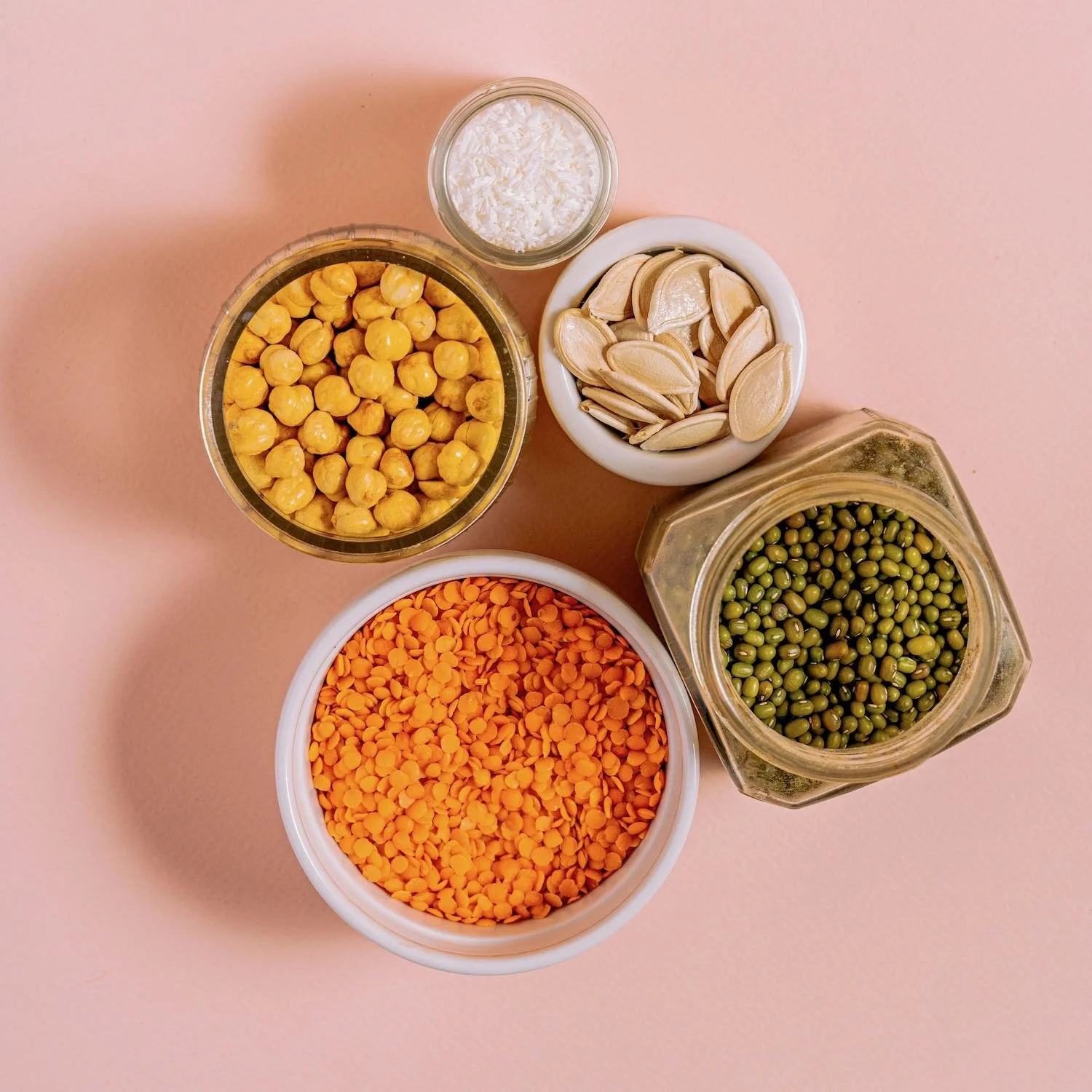
1) Beans, Peas, Legumes
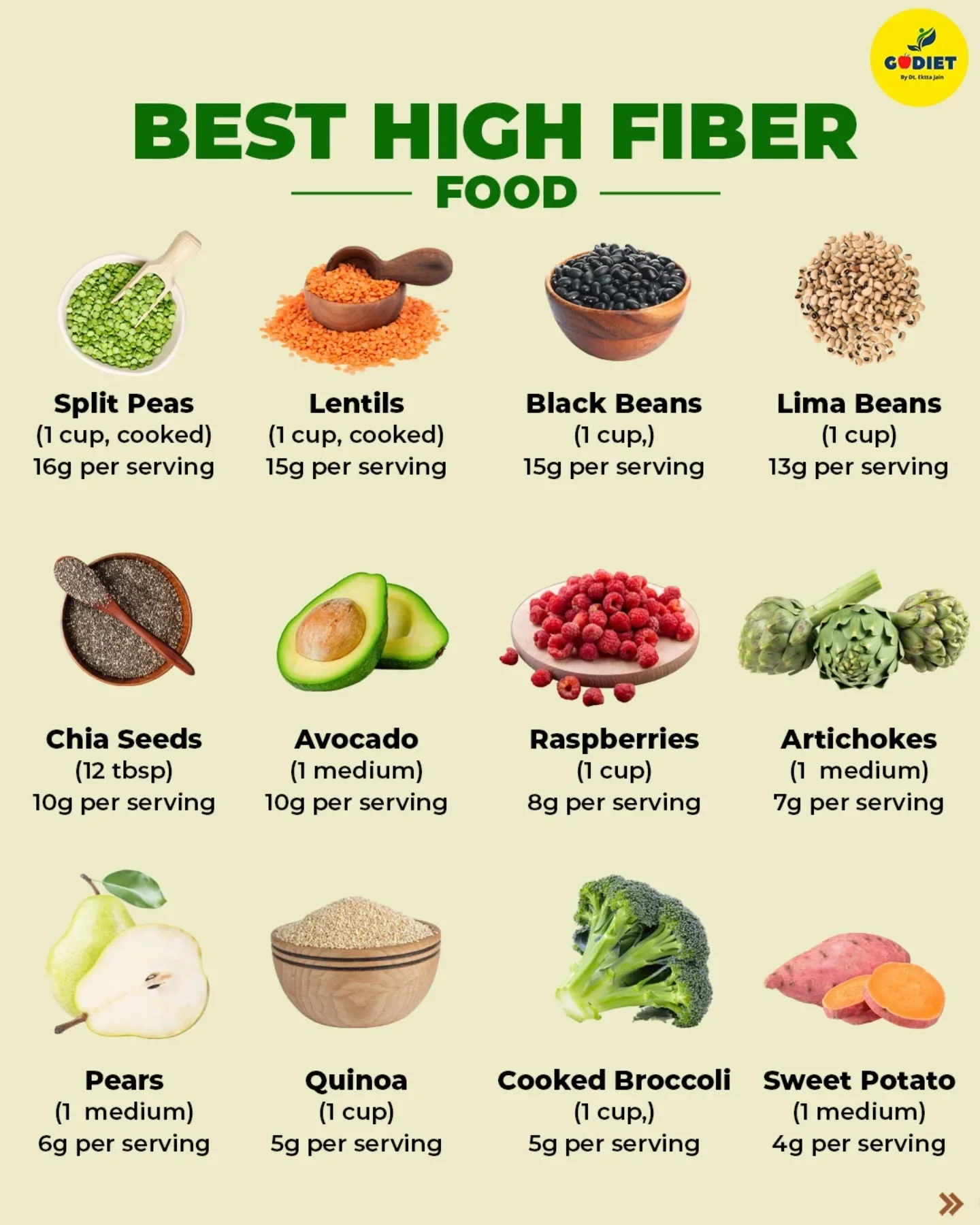
We could kick off this list with 5 different bean types that take up the first five slots, or we could just lump them all together at number one and tell you how much fiber is in one cup of the following common beans so you can pick your favorites and be set:
Navy beans: 19g
Split peas: 16g
Lentils: 15g
Black beans: 15g
Lima beans: 13g
Garbanzo beans: 10g
Green peas: 9g
How to eat them: All of these things add a huge amount of satiation to your typical serving of soups, salads, and side dishes. We also make beans and lentils as a main dish in lieu of pasta and smother it in our fave pasta sauces.
2) Chia Seeds
These are the magic seeds of the fiber world and hold a 10 whopping grams per 2 tablespoons.
Honorable mention: Flaxseeds. They have just over 5 grams of fiber for 2 tablespoons, so def incorporate those as well.
How to eat them: Sprinkle it onto yogurt, cottage cheese, smoothies, and toasts. You can also make this delectable chocolate chia pudding for dessert (or breakfast!).
3) Avocado
This is actually tied with Chia seeds at 10 grams if you can eat a whole avocado in a day, and there’s a solid argument for why you should. But many of us are probably consuming more like a half an avocado at a time, which has about 5 grams of fiber.
How to eat them: You know the usual suspects: salads, sandwiches, tacos, and toasts. And listen, there is nothing “basic” about an avocado toast on a busy afternoon when you must eat something and have zero to desire to cook that something. You can also blend them into smoothies for extra creaminess and no real change to the flavor.
4) Squash
Specifically, it’s acorn and hubbard squash, which have 9-10 grams of fiber per cup cooked that puts squash this high on our leaderboard. But our beloved butternut squash has a very close 7 grams per cup.
How to eat them: We make a lot of soups, but we also roast them at the start of the week, then sprinkle them onto salads, pastas, and even tacos. You can also cook them with a dash of honey and cinnamon and have yourself a divine, pumpkin-pie-esque treat.
5) Raspberries and Blackberries
We won’t put it delicately. We already knew the powerful effect of raspberries in helping relieve constipation and wrote all about it HERE. And blackberries tend to be a sort of Jan Brady to raspberries’ Marsha, but they also pack so many nutrients that we wrote a whole article about them HERE. One cup of either of these sweet, plump, gemstones of the fruit family have 8 grams of fiber.
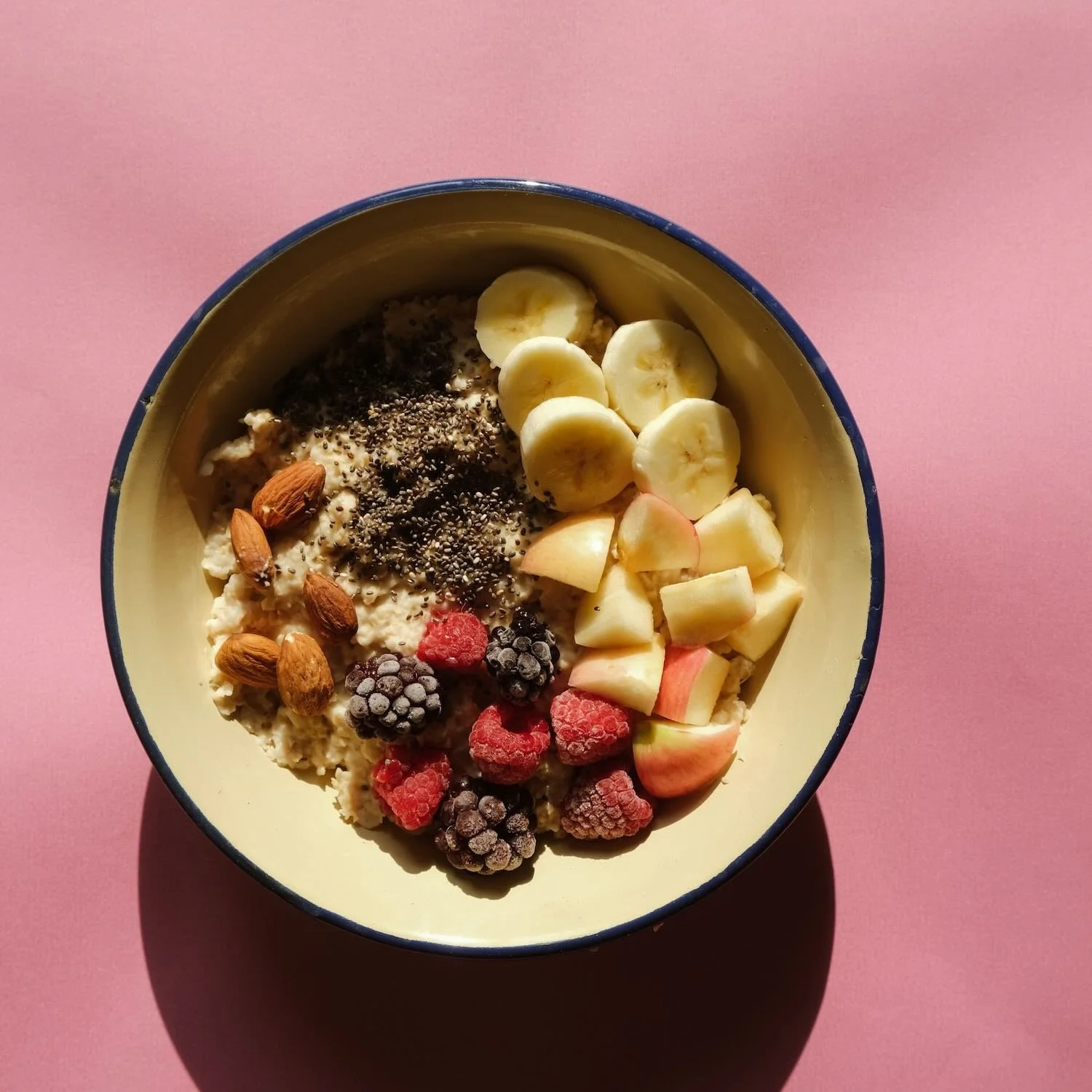
How to eat them: By the fistful, standing at the counter, grizzly bear-style. Also on THIS yogurt dish we have for breakfast all spring/ summer and THIS oatmeal dish we have for breakfast all fall/winter. We’re creatures of habit that way.
6) Artichoke
A whole, cooked artichoke has 7 grams of fiber. Nuff said.
How to eat them: Boiling an artichoke isn’t as scary as it sounds. Find the easiest method under the sun HERE, but there’s also about 5 grams in a typical can of artichoke hearts so you can opt to sprinkle those onto your salads and snack plates to help tally up your fiber points for the day.
7) Pear
Time to add pears to the enormous wooden fruit bowl you keep on the counter to make your kitchen look like it came from a Nancy Meyers movie. Each one has 6 grams of fiber.
How to eat them: Sliced with cinnamon sprinkled on, and don’t peel off the skin when baking, poaching, or roasting them, as it’s full of fiber.
8) Broccoli and Quinoa
Ok, so a lot foods have 5 grams of fiber, a cup of whole wheat pasta, a large apple, so is it even fair to pick out broccoli and quinoa individually, much less lump them together at this point on our list? We believe so.
For starters, broccoli is a cruciferous veg, packed with vitamins C and K as well as anti-inflammatory compounds that help reduce chronic inflammation, so it’s already a star. Plus, how easy is it to eat a cup of cooked broccoli? Unless you’re a broccoli hater, in which case, have a bowl of quinoa instead. See? It all makes sense, right?
How to eat them: Steam, roast, or pan cook your broccoli. We also add it to any pureed soup we make. As for quinoa, it’s a gorgeous, pasta-like base into which we can chop any veggie in the world, and actually feel full after.
9) Apples and Oranges
A medium to large one of each these fruits have more than 4 grams of fiber. We’ve recently been cheating on Honeycrisp and having a love affair with Hunnyz apples. Look for them. They’re divine.
As for oranges, a recent study showed people who frequently eat citrus fruit can have a 23% less chance of developing dementia. So wins all around.
How to eat them: We won’t insult you by telling you how to consume a piece of fruit, but we will say that eating either of these fruits raw and whole (apart from the obvious apple seeds and orange peels) is the best way to get the max fiber out of them.
10) Sweet Potatoes
A whole, cooked sweet potato has about 4 glorious grams of fiber. Plus, it is so filling and full of vitamins A and C along with potassium, which is HUGE for women’s health. See why HERE.
How to eat them: We happen to have just written a whole article about the many, many exciting ways to eat a whole, roast sweet potato HERE.
Of course, the complete, beautiful catalog of fibrous foods we can and should be eating is a much, much longer one and isn’t limited to these 10 items. So we leave you with a more robust list of high-fiber foods that comes from the National Cancer Institute:
Main meals
bran muffins
bran or whole-grain cereals
cooked dried or canned peas and beans, such as lentils or pinto, black, red, or kidney beans
peanut butter and other nut butters
soups with vegetables and beans, such as lentil and split pea
whole-grain cereals, such as oatmeal and shredded wheat
whole-wheat bread
whole-wheat pasta
Fruits and vegetables
apples
berries, such as blueberries, blackberries, and strawberries
broccoli
brussels sprouts
cabbage
corn
dried fruit, such as apricots, dates, prunes, and raisins
green leafy vegetables, such as spinach, lettuce, kale, and collard greens
peas
potatoes with skins
sweet potatoes
yams
Snacks
bran snack bars
granola
nuts
popcorn
seeds, such as pumpkin or sunflower
trail mix
Source List:
https://www.balanced.org/post/top-10-high-fiber-foods-with-grams-per-serving-2025
https://www.myfooddata.com/articles/foods-high-in-dietary-fiber.php
https://www.cancer.gov/about-cancer/treatment/side-effects/nutrition/high-fiber-foods
This article is for informational purposes only. It is not intended to be used in place of professional advice, medical treatment, or professional care in any way. This article is not intended to be and should not be a substitute for professional care, advice or treatment. Please consult with your physician or healthcare provider before changing any health regimen. This article is not intended to diagnose, treat, or prevent disease of any kind. Read our Terms & Conditions and Privacy Policy.
