
Do You Even Know What Processed Food Is? Let’s Test You.
We grew up thinking only Twinkies were chemicals. How we yearn for those days.

by The Candidly Team
In the noisy world of diet and health, these might be the three words we hear most:
Eat. whole. foods.
Yup. Eat whole. Avoid processed. But did you know a whopping 75% of our food supply in grocery stores falls into the category of “processed?”
Now, it’s very important to note that not all processed food is created equal. But how many of us understand what processed really means? For instance, let’s embark on a little quiz. Answering yes or no, can you name which of the following foods are processed?
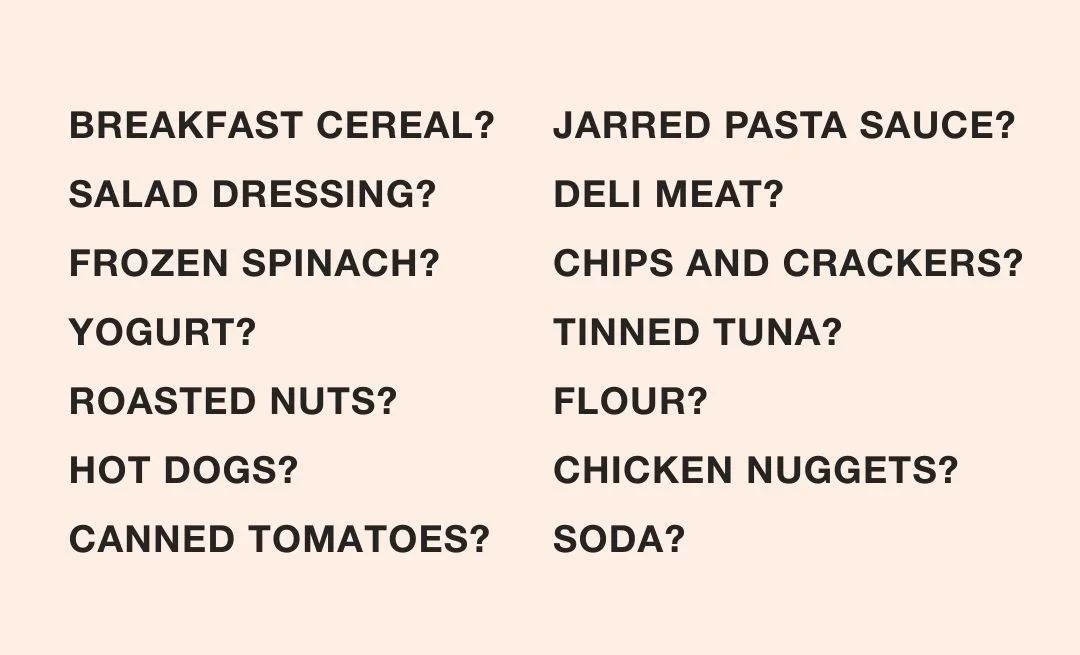
The answer, you may have guessed, is: ALL OF THE ABOVE.
But like we said, there’s a big difference between foods that are minimally processed and foods that are ultra-processed. Frozen broccoli isn’t the same as powdered gas station donuts. As the Mayo Clinic put it “minimally processed foods have a place in healthy diets” whereas ultra-processed foods have been partially “blamed for the national rise in obesity, high blood pressure and diabetes.”
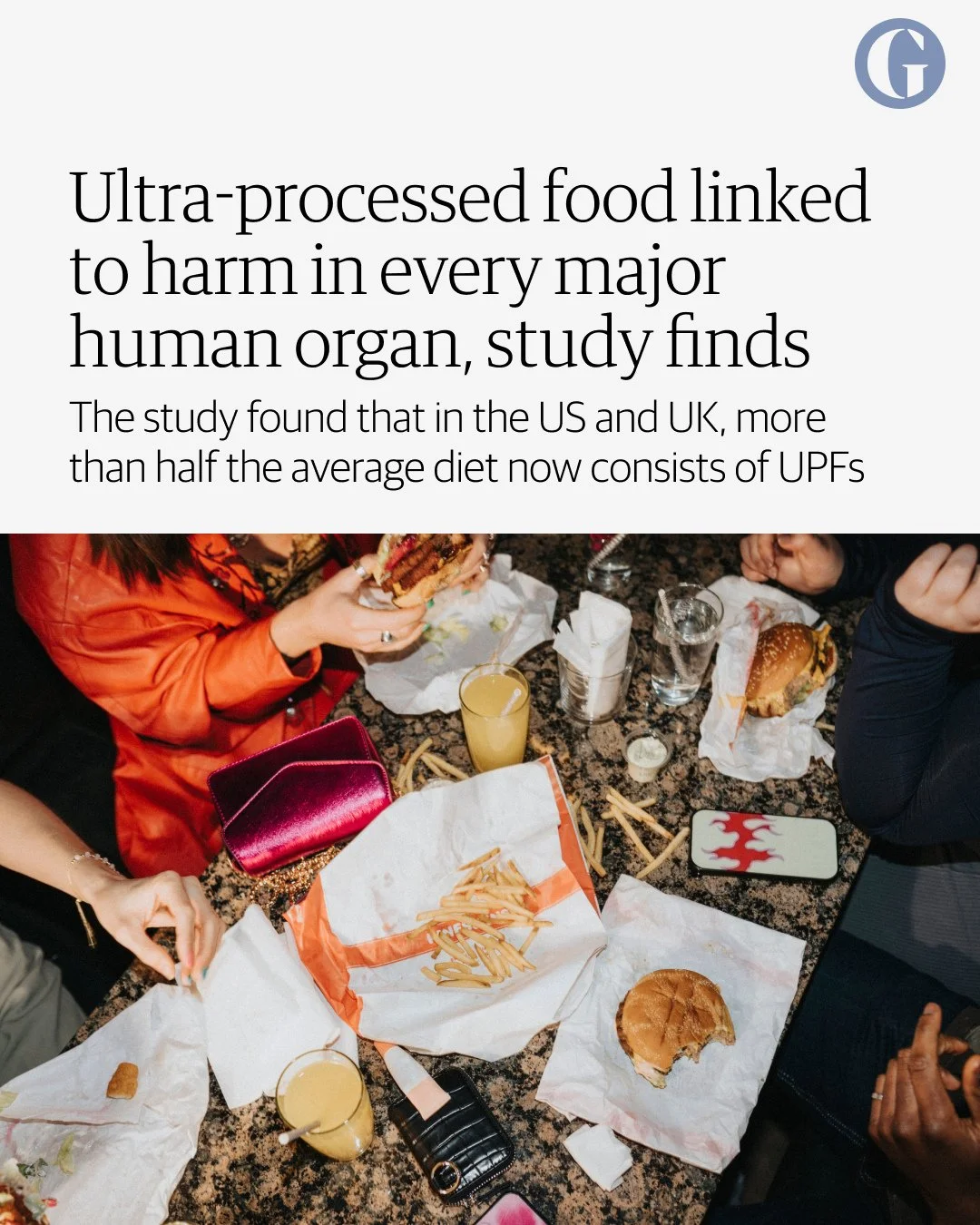
Diets higher in ultra-processed foods have been linked to dozens of health conditions, including heart disease, type 2 diabetes, obesity, anxiety, depression, sleep problems, certain cancers, gastrointestinal problems, and all-cause mortality risk.
Yet, in real everyday life, every single one of us eats in our own ways for our own reasons that very much include accessibility, schedules, budget, health and weight loss goals. Prioritizing whole foods can feel like a constant dance between what’s convenient, affordable, what has enough protein, what will keep us in a calorie deficit, and what actually tastes good to our brains that have been conditioned by an entire industry to yearn for sweet and salty snacks made of chemicals.
All we’re saying is we’re human, and swearing off all packaged stuff can feel like an overwhelming, insurmountable task. However, if you actually break down what “processed” food means in terms of health, you’ll quickly see why we shouldn’t just throw our hands in the air.
“The goal doesn’t have to be eliminating all highly processed foods, but to reduce the reliance on them,” said Dalia Perelman, a research dietitian with the Stanford Prevention Research Center.
So, let’s unpack what’s inside our shopping carts:

First, what does processed even mean?
In 2009, Brazilian researchers at the University of São Paulo, Brazil came up with a classification system for processed food called the NOVA system to help people understand the degree of processing in different food groups. They came up with four categories, which we’ll break down very quickly, in large part because it helps distinguish ultra-processed food from the rest of the pack.
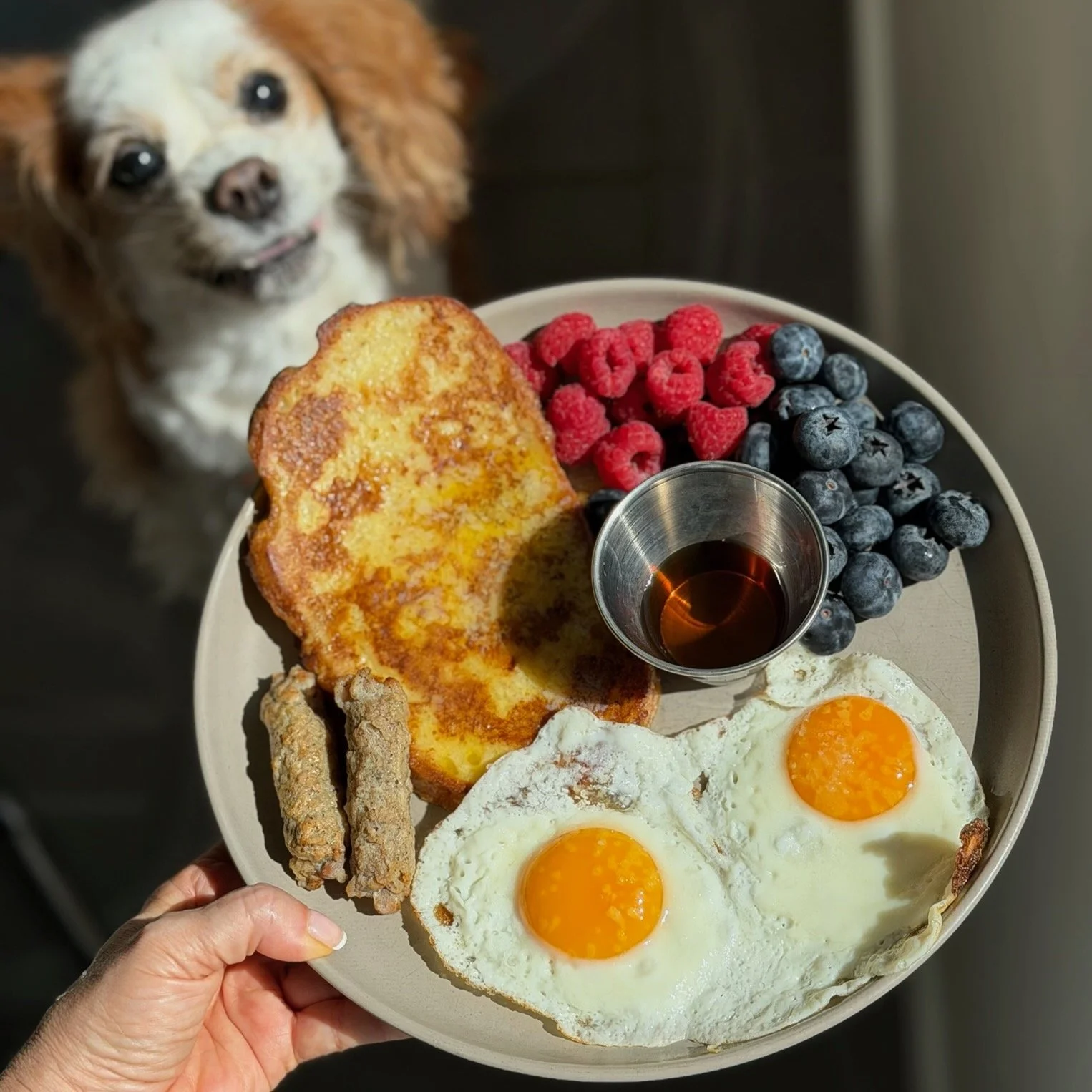
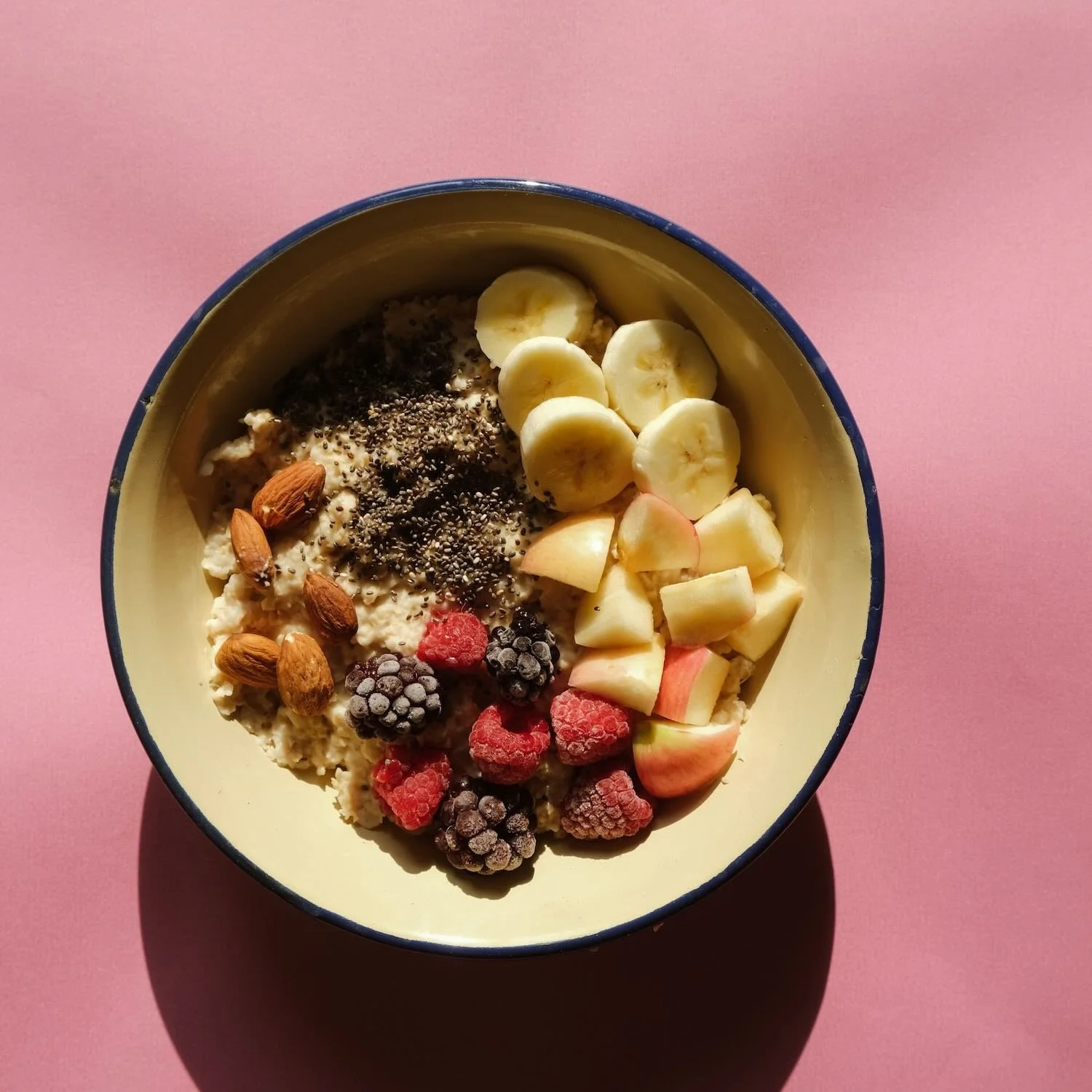
Unprocessed or minimally processed foods: includes foods that have not been altered or had salts, oils, sugars or fats added to them. They may have been frozen, dried, refrigerated, or had other small things added to help preserve them.
Examples: fresh or frozen fruits, vegetables, legumes, nuts, seeds, oats, wheat, milk, eggs, meat, poultry, fish, pastas (when made with grains and water), spices, coffee, tea, yogurt (without added sugar, oil, or fat)
Processed ingredients like oils, fats, and sugar: includes a lot of the items we turn to to prepare and season those category 1 foods
Examples: sugar, salt, honey, syrup, butter, oils
Processed foods: when products are manufactured by adding ingredients like the sugar, salt, butter, and oil from category 2 to the natural or minimally processed foods of category 1 to preserve these foods. They usually have two or three ingredients.
Examples: canned vegetables, fruits, and legumes, salted nuts, cured meats, fresh made cheese, whole wheat pasta, baked bread, dark chocolate, wine and beer
Ultra-processed foods and drink products: includes “industrial creations made with little—if any—whole foods that often contain large amounts of added sugar and salt,” according to Stephen Devries, MD. They often have five or more ingredients, many of which are scarcely recognizable as food.
Examples: packaged snacks, mass-produced breads, cookies, breakfast cereals and cereal bars, canned soup, frozen meals (including pizza), artificially sweetened yogurt, packaged meats and fish, including sausages, hot dogs, chicken nuggets, deli meats, soda and energy drinks, ice cream and frozen desserts, sweetened juice, margarine, packaged baked goods, candy, many distilled spirits
The problem with ultra-processed foods
Unlike with minimally processed or processed food, ultra-processed foods can often lose their key nutritional properties. In fact, a lot of the identifiable “food” parts of these foods have been removed or altered in ways that make them less healthy and hard on the gut. These are the foods that we talked about being associated with more than 30, sometimes fatal health issues.
Here is why they’re not the best choice in terms of our health:
They’re pro-inflammatory.
The irritate and inflame the gut.
They absorb quickly in your digestive system which leaves you hungrier faster.
They’re linked to poorer brain health, including risk of cognitive impairment and strokes.
They contribute to weight gain, larger waist size, and obesity
The can contribute to higher blood pressure.
They can spike insulin levels.
They’re linked to cancer risk.
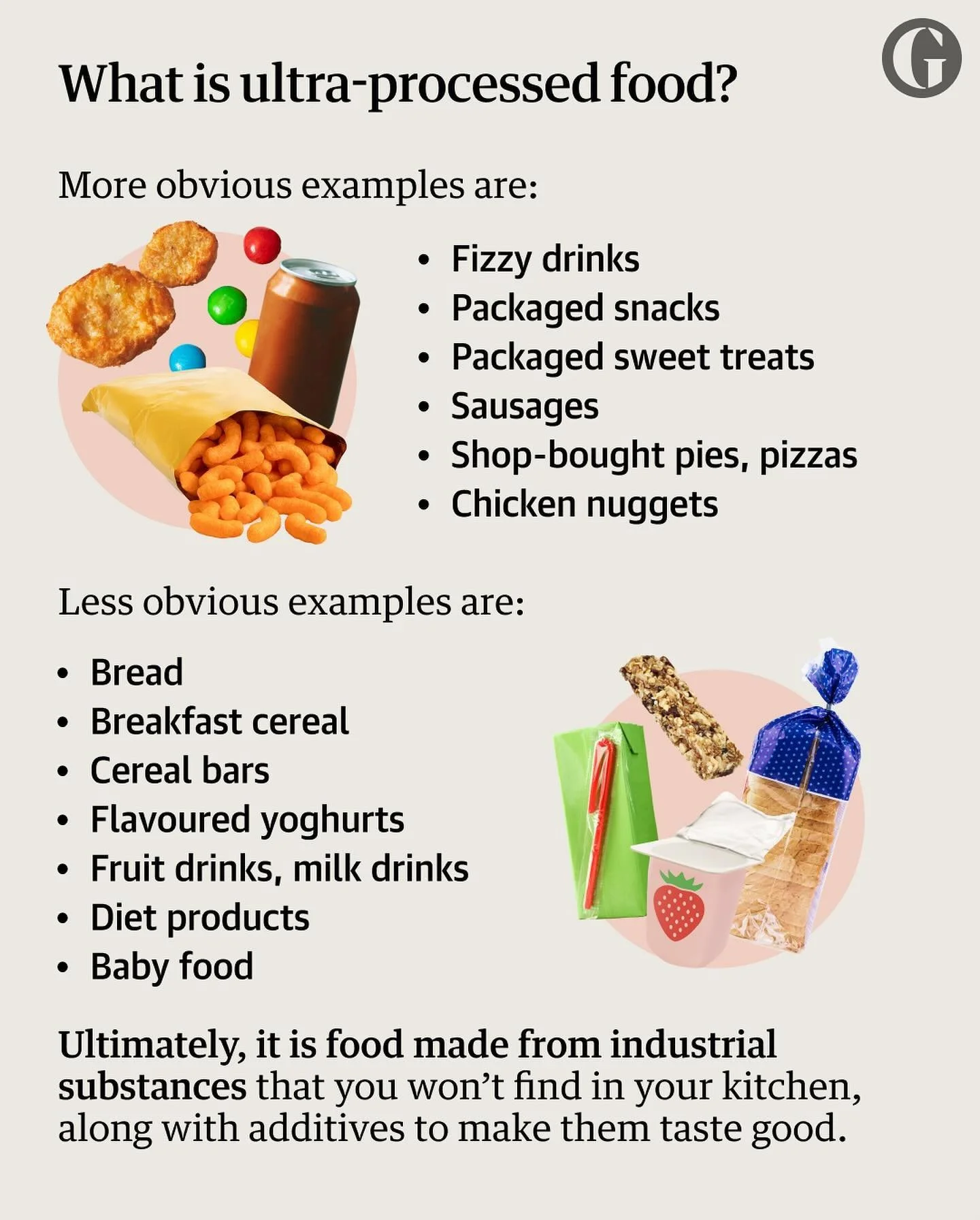
Ok, ok we get it. But how do I tell if something is ultra-processed?
According to Harvard Health, “It's just a matter of reading the ingredient list on a food's label. If you see numerous ingredients, including chemicals and any words you don't recognize, that food is probably ultra-processed. Put it back and look for something with the shortest list of ingredients possible.”
“Look for products made with ingredients that you recognize as food and without unrecognizable additives,” wrote the Mayo Clinic. And try to limit those with lots of sugar and sodium.
Common additives and preservatives include:
high fructose corn syrup
hydrogenated oils
food dyes
monosodium glutamate,
sodium nitrates
sodium nitrites
sulfites such as sulfur dioxide, sodium bisulfite or sodium sulfite
By looking at labels, we can see where unsuspecting ingredients kind of lurk and undermine our health goals, even in certain foods that sound healthy: flavored yogurts for example or frozen “diet” meals.
But the absolute most important thing is not to feel paranoid OR paralyzed when feeding ourselves and our families. A lot of this can be thought of as a little bit of course correction here and there and really the same intuitive health stuff we’ve been told for years. The common sense of a sliced apple over apple juice. Water over soda. Tomato sauce with actual “tomatoes, olive oil, herbs” l instead of 11 grams of added sugar per serving. Things like that.
There is a large element of common sense at play when it comes to choosing healthy foods to eat, said Perelman. “We’ve been saying the same thing forever. It’s just that it’s boring and no one wants to hear it: balance and moderation.”
“Mix it up”, she advises. “I’d ask myself, ‘Can I think of a snack that’s less processed that I would enjoy?’ Maybe I’ll just have a handful of nuts and maybe some dried fruit, instead of bar, which is way more processed.” As with every aspect of health, small choices equate to big outcomes. The goal is awareness, not anxiety.
This article is for informational purposes only. It is not intended to be used in place of professional advice, medical treatment, or professional care in any way. This article is not intended to be and should not be a substitute for professional care, advice or treatment. Please consult with your physician or healthcare provider before changing any health regimen. This article is not intended to diagnose, treat, or prevent disease of any kind. Read our Terms & Conditions and Privacy Policy.
