
This Sweetener Has Been Linked To Heart Attacks And Strokes. Here’s What It’s In.
Alright, alright, how worried should we be?
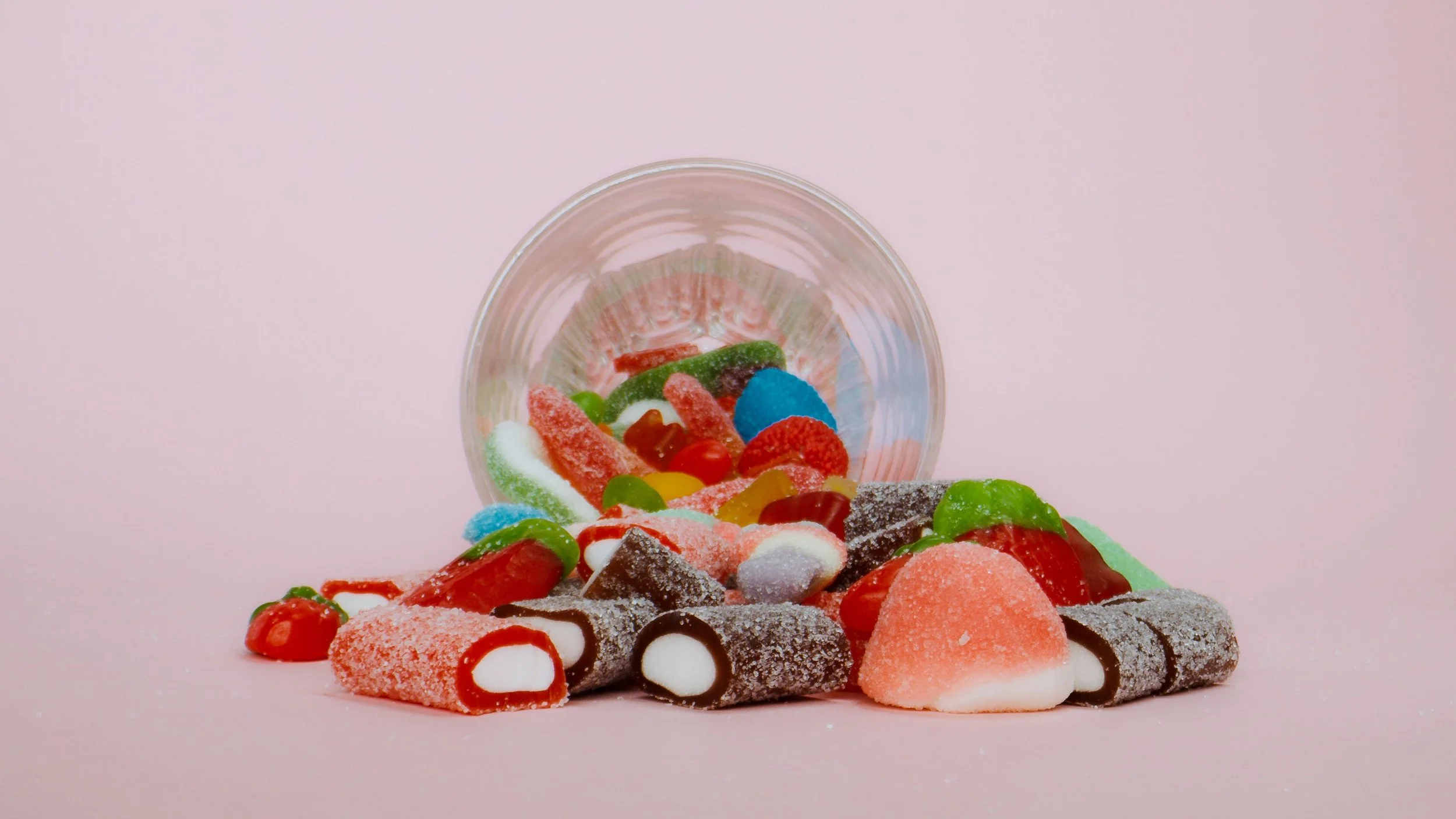
by The Candidly Team
Ugh, we’re really and truly sorry that in the snowballing saga of food recalls we’re bringing up yet another thing that might be hazardous to consume.
But let’s face it, many of us already have a sort of murky feeling about sugar subs, a sort of question looming round our chewing gums and diet sodas.
Was it not but a year ago we were all talking about artificial sweeteners being associated with cognitive decline?
And since many people turn to artificial sweeteners and sugar alcohols for lower glucose spikes and fewer calories and a hopeful escape from the negative health effects of sugar, it’s probably best to stay informed.
So with that, we get to the headline: a large new study has linked xylitol, a commonly used sugar alcohol to increased risk of heart attack and strokes. The study of more than 17,000 people over six years found that those who had the highest levels of xylitol in their blood were were 57% more likely to die or suffer a heart attack or stroke than those with the lowest.
This isn’t the first time the effects of xylitol have come under question. Back in 2024, research from the Cleveland Clinic found that people with the highest xylitol levels had a 50% higher chance of having “cardiovascular events over the next three years” than those with the lowest. Like another commonly used sugar alcohol known as erythritol, xylotil was associated with increased long-term risks to cardivascular health and blood clot formation.
Also, and we have to add this as devoted pet owners, it can be poisonous to dogs.
All of this brings us to the big question, which is what foods/products contain xylitol? So let’s talk about that.




What contains xylitol?
According to the European Society of Cardiology, “xylitol is a sugar alcohol that occurs naturally in the body as a byproduct of glucose metabolism and is present in some natural foods in very low amounts.” However, xylitol is also added – often in over 1,000-fold higher amounts – to artificially sweeten foods, beverages and oral care products.” So, you might be getting a sizable dose from seemingly small, often processed things.
According to the FDA, here is a list of common foods that can contain this sugar alcohol:
gum
breath mints
baked goods (these can include cookies, pudding, pie filling, and cake mixes)
cough syrup
children’s and adult chewable vitamins
mouthwash
toothpaste
some peanut and nut butters
over-the-counter medicines
dietary supplements
sugar-free desserts, including "skinny" ice cream
A lot of current helpful info on which foods contain xylitol are also listed on pet health-focused websites, where they also listed other places to look for xylitol, which include:
energy drinks and artificially sweetened drinks
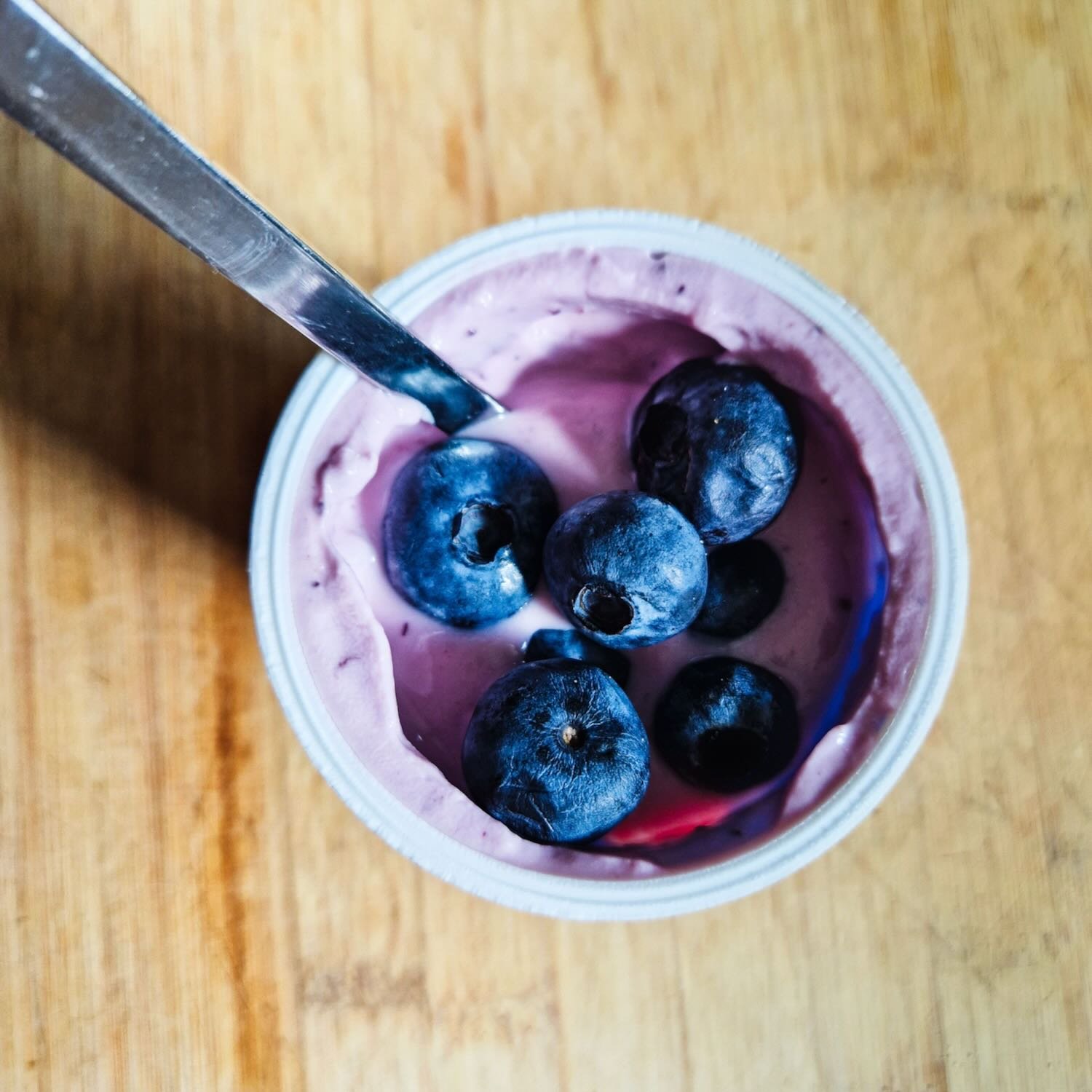
yogurt
chocolate
sugar-free condiments
protein powders and bars
sugar-free honeys, syrups, jams and preserves.
personal care products (certain deodorant, shampoo, moisturizers, foundations, cleansers, makeup remover, lotions)
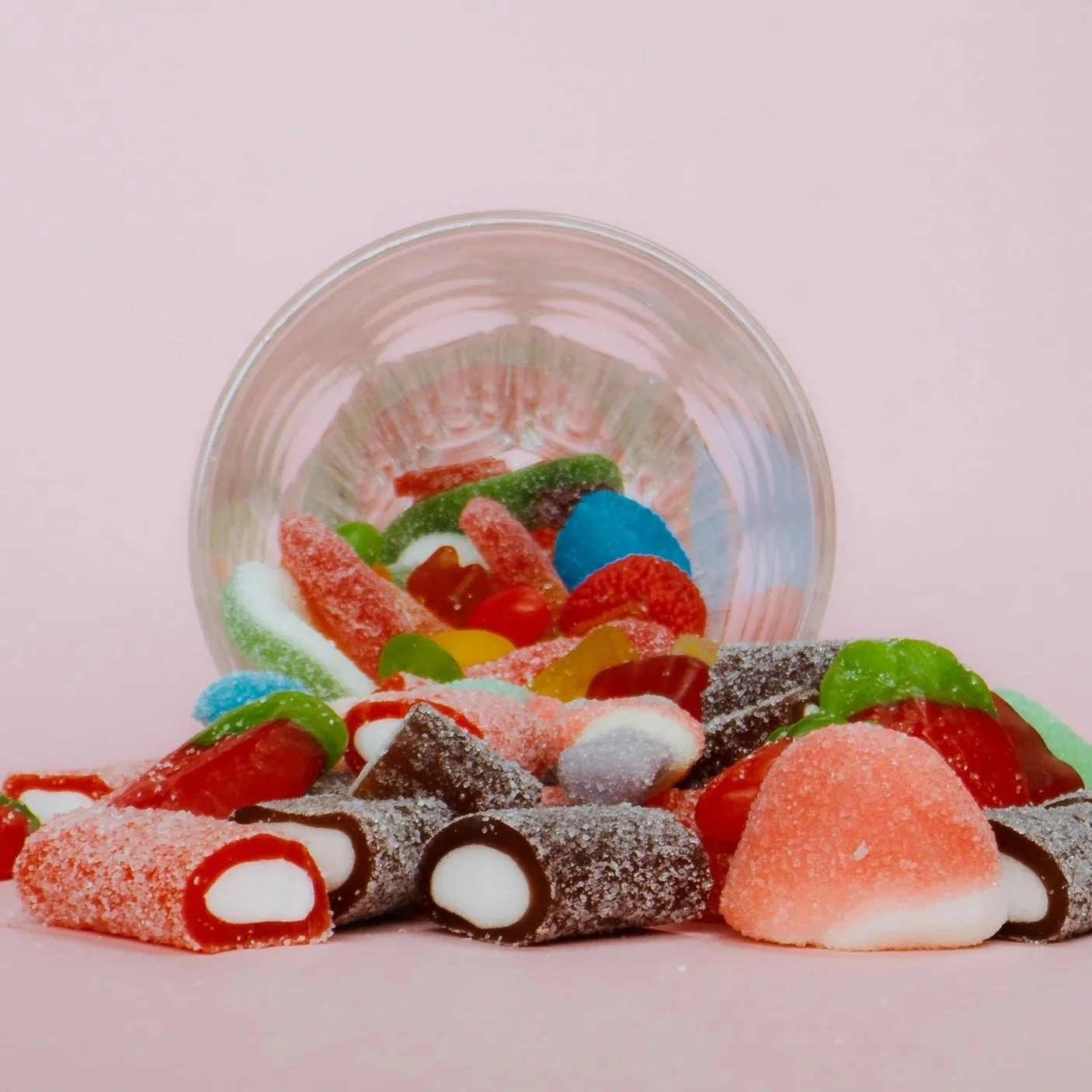
Xylitol can also be often found in “candies and desserts labeled as ‘keto-friendly,’ ‘diabetes-friendly,’ ‘sugar-free’ or ‘calorie-free,” wrote the Cleveland Clinic. “But unfortunately, knowing if your food contains xylitol isn’t as easy as just reading the nutrition label. That’s because food manufacturers aren’t always required to list sugar alcohols on their packaging. So, they can lurk in the background without you even knowing it.”
Annnnnnnd what do we do with this information?
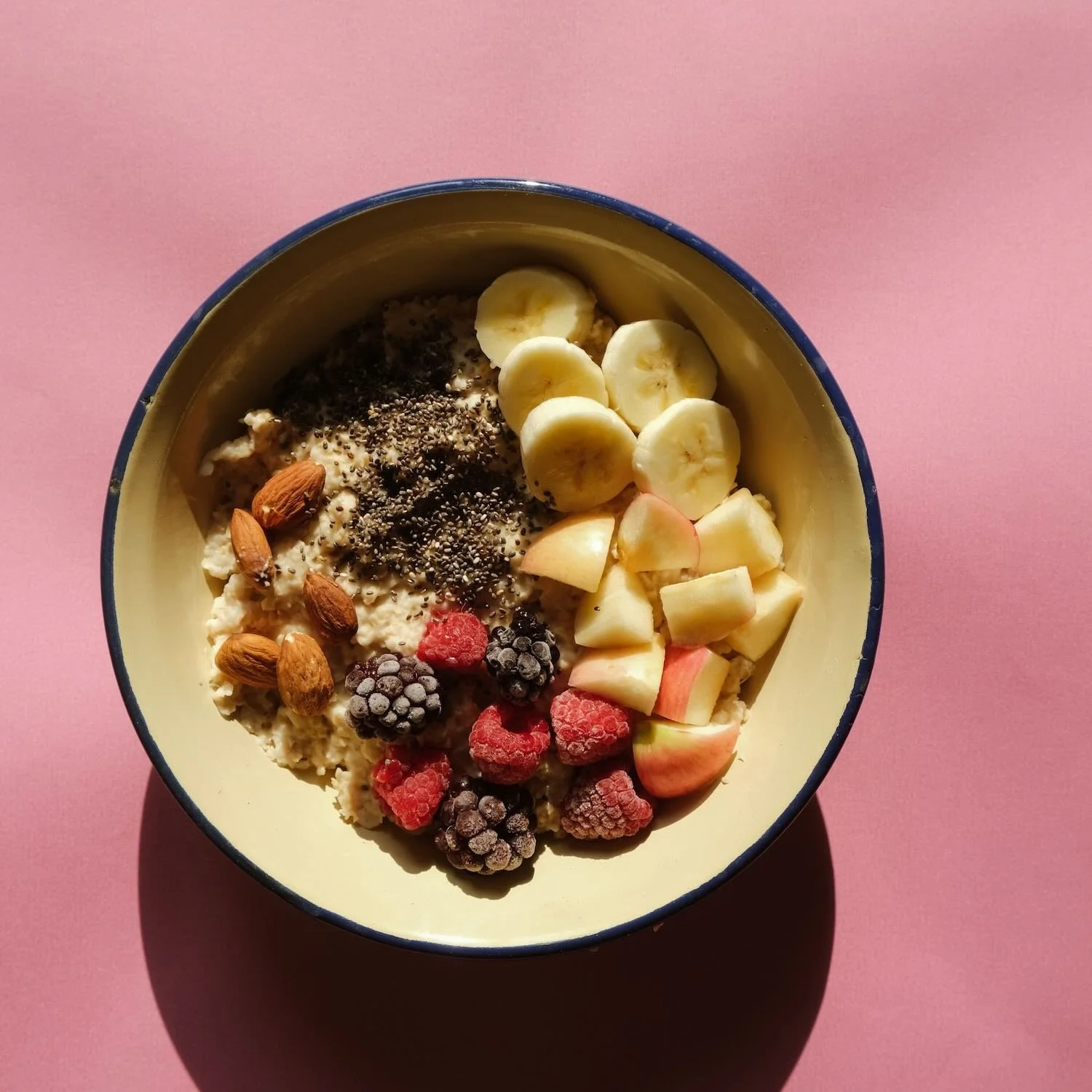
As always, more research is needed because this was indeed an observational study showing a very significant association that doesn’t necessarily prove cause. That said, study after study is spelling out to us that ultraprocessed foods can severely hurt our health. Cutting back on processed foods where xylitol can be found in high amounts is likely a good idea and seeking out more whole food sources and natural sugars, (yes, of course we are gonna say fruit), is likely our wisest decision.
As always, talk to your doc about your personal choices and decisions around what’s best for your health. And if you want a different perspective on how some of us deal with food lust and cravings, go HERE, because we’re all living in this stupidly perplexing world of food on a daily basis. And we all gotta eat.
This article is for informational purposes only. It is not intended to be used in place of professional advice, medical treatment, or professional care in any way. This article is not intended to be and should not be a substitute for professional care, advice or treatment. Please consult with your physician or healthcare provider before changing any health regimen. This article is not intended to diagnose, treat, or prevent disease of any kind. Read our Terms & Conditions and Privacy Policy.

Servings: 1 | Prep Time: 8 minutes | Ingredients: 5