
This Food Could Lower Inflammation, Help Your Gut, And Boost Immunity. And You're Probably Not Eating It
Or maybe you are! In which case, you’re about to feel really good about yourself.
by The Candidly Team
Do you hate us when we do this? Lure you in with a fill-in-the-blank title.
Well, don’t worry. Because now that you’re here, we won’t do that thing where we make you scroll 14 paragraphs to get answers.
It’s fermented foods!
See? We’re not a**holes. We just needed to gather you round so we could get to the real question. And that is of course, “what even are fermented foods?” What’s all this TikTok stuff we’re hearing about how they can heal thy gut and banish inflammation and bolster your immunity?
Is it all a bunch of bs? Or is there some real good that can come of our affinity for kimchi? Or our curiosity about kefir?
And if all of these words mean nothing to you, even better! Because we’re here to make sense of it.
So let’s talk fermentation.





What is it? Is it pickles? We hope it’s pickles.
To get technical about it, “fermentation occurs when bacteria convert the natural sugars in food into acidic compounds such as lactic acid. [This] acid accelerates the growth of beneficial bacteria.” wrote the American Medical Association (AMA). The live microorganisms in fermented foods can “populate the gut with healthy bacteria, boost the nutritional value of foods and promote healthy digestion," said L.J. Amaral, a clinical research dietitian at Cedars-Sinai.
Different foods are fermented through different processes, but the one you’re probably most familiar with is veggies that are soaked in a “salty brine” that, in short, helps them grow good bacteria and slow the growth of the bad bacteria.
Ok, now for some sorta bummer news. It’s not the same as pickling. Pickling involves preserving things in vinegar, which according to the AMA doesn't support that good bacteria growth because a lot of those live bacterial cultures get killed off.
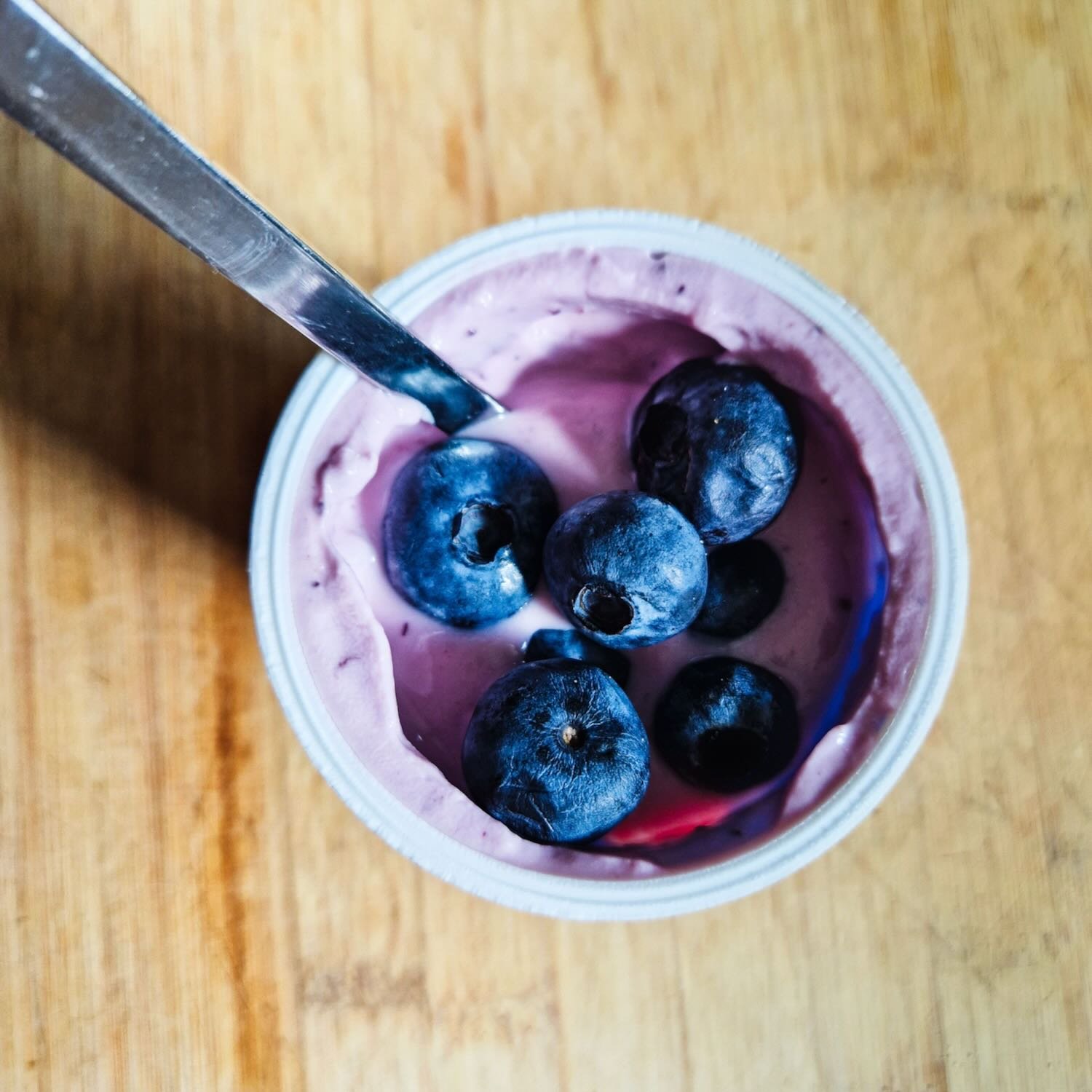
The nice news? It does include dairy products like yogurt and kefir with live cultures that can give you those health benefits we’re talking about like improved immunity, better digestion, and more absorption of nutrients.
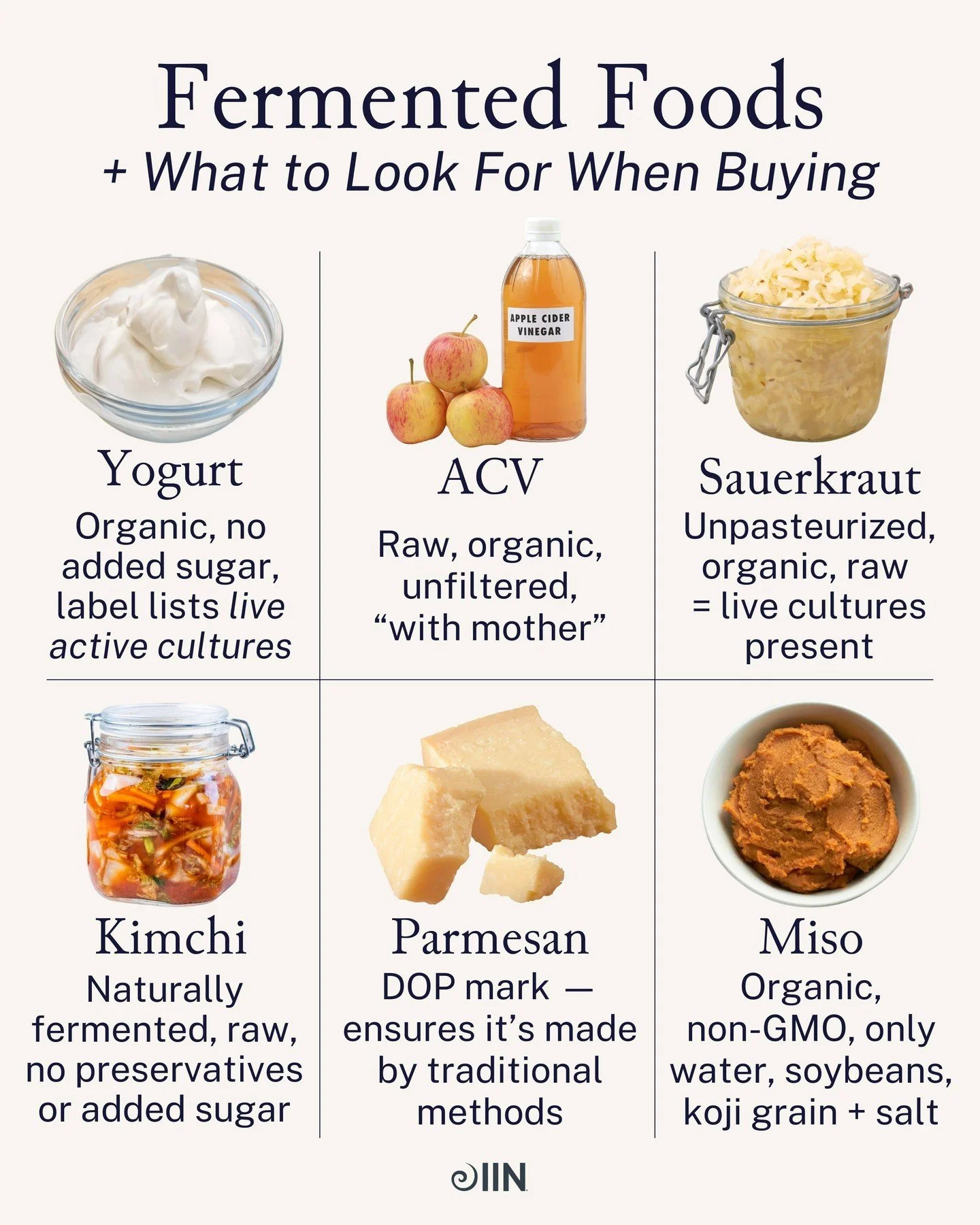
And to be more helpful, here’s a list of some common examples of fermented foods:
Kefir
Plain Yogurt
Kimchi
Kombucha
Miso
Sauerkraut
Tempeh
Yogurt
Now, you may have heard of foods like sourdough and pasteurized yogurt also being fermented foods, but there is a caveat here which is that "heating, processing and alcohol can kill live microbes," said Amaral. "Sourdough bread, pasteurized yogurt and wine all start with fermentation, but the organisms produced during fermentation don’t usually survive the manufacturing process." So a lot of non-refrigerated items like jarred vegetables won’t have all those live cultures.
Does this mean we have to give up on our precious pickles being good for us? Nope. Just try to look in the fridge section and look for the words “contains live and active cultures” advised Stephen Devries, M.D., a preventive cardiologist in an interview with the AMA. Not to mention, according to Stanford Medicine “pasteurization, which uses heat to kill microbes, can reduce some of these benefits but doesn’t necessarily eliminate them. Heat-treated microbes and their components, called postbiotics, may still help the immune system.”
Now all of that said, and we feel like your mom here because you already know this, but it’s best to limit products with high levels of salt and sugar. So that Smores flavored yogurt where you dump in a mix of graham crackers and chocolate nibs is not really what we’re talking about here.
What good do fermented foods do us?
Now for the fun stuff. What are the possible health benefits of fermented foods:
They may reduce inflammation.
A lot of the recent hoopla has to do with a Stanford School of Medicine study which found that “a diet rich in fermented foods can help enhance the diversity of gut microbes and decrease molecular signs of inflammation.”
They help you fight off disease-causing bacteria.
You can thank those good bacteria, which take up space in your intestines, and help keep you from getting get sick. “Good bacteria create acidic fermentation byproducts that lower your intestine’s pH, decreasing the chance that bad bacteria can survive,” according to The Cleveland Clinic.
They help keep your gut microbiome flourishing.
And a healthy gut “improves your absorption of other minerals and nutrients.”
They have lots of nutrients.
B vitamins, vitamin K and digestive enzymes included.
They may help your body absorb more antioxidants from food.
There’s research showing fermentation can “significantly boost the antixodiant capacity of foods!”
Any downsides?
Like we said, look out for high levels of salt or added sugars.
Also, it’s important to note that people with certain health conditions, including specific GI issues as well as those on certain medications may be advised to avoid fermented foods, according to Cedars-Senai. So it’s a good idea to talk to your doctor in these cases.
This article is for informational purposes only. It is not intended to be used in place of professional advice, medical treatment, or professional care in any way. This article is not intended to be and should not be a substitute for professional care, advice or treatment. Please consult with your physician or healthcare provider before changing any health regimen. This article is not intended to diagnose, treat, or prevent disease of any kind. Read our Terms & Conditions and Privacy Policy.
