
We Asked An Aesthetic Nurse 14 Of Our Most Anxious, Unfiltered Questions About Botox And Filler. Here's What She Told Us.
And unlike when we go to the doctor, we actually remembered all our questions.
by The Candidly Team
When it comes to beauty “procedures,” we tend to have lots of opinions, lots of overwhelm, and LOTS of fears.
What we don’t have lots of is knowledge.
How it works. Why it works. Where it all goes wrong and starts to crank up the cheekbones of some of our favorite human faces until they’ve stretched into that all-too-familiar Joker smile. We honestly had zero answers. Just this itch in our minds to better understand the ins and outs much, much better.
So we asked Aesthetic Nurse Injector Lorrie Ottinger of EevolveSelf no fewer than 14 of our most candid, no-bullshit questions. And she shined a much-needed light on every single one:








1. First—is dermal filler safe? What about Botox (neurotoxin)?
FDA approved dermal filler and neurotoxins such as Botox and Dysport have had numerous studies to ensure that they are safe to be injected into the body. The biggest risk factor would be the provider. Though rare, complications such as localized infections, vascular occlusions, eyelid or brow ptosis can occur. I strongly recommend seeing an experienced aesthetic provider to mitigate the potential for negative outcomes.
2. Is it really true that Botox “prevents” wrinkles?
It is true that Botox and other FDA approved neuromodulators prevent wrinkles. Wrinkles are formed due to the repetitive movement of facial muscles. When we use neuromodulators such as Botox, we can prevent the muscle from contracting therefore reducing the appearance of static lines aka wrinkles. Many people start using Botox in their 20s and 30s to prevent the formation of deeper etched lines. Even those who start using Botox later in life will notice a huge improvement in the appearance of wrinkles.
3. What treatment would you recommend for our sad neck that isn’t too invasive?
{Sigh} The saggy neck, the bane of every woman’s existence, the question I get asked about every day. Simple question, Loaded answer. Of course, the very best thing would be a neck lift however, not everyone can have or wants to go under the knife. The good thing is that we have several tools in the aesthetic toolbox.
First off, injections:
We use Neurotoxins such as Botox to decrease the appearance of platysmal bands (the vertical cords appearing on the neck).
Adding Hyaluronic acid filler in the horizontal necklace lines will help improve the appearance by lessening the depth of the horizontal lines. Hyper-dilute radiesse injected into the neck acts as a biostimulator encouraging the productions of Types 1 and 3 collagen and elastin.
Lasers and light based treatments:
There are several types of lasers that will help stimulate collagen. Most of these use thermal energy such as ultrasound or radio frequency to stimulate collagen and thicken the skin. Some treatments use a combination of RF and microneedling to further enhance the treatment.
Fractionated and fully ablative lasers such as CO2, Fraxel, Erbium, vaporize channels into the skin, which encourages the production of collagen and improves the texture of the skin.
Microneedling:
Microneedling uses very small needles which essentially sew in and out of the skin creating microchannels which will then heal and stimulate collagen.
IPL and BBL:
IPL and BBL are light based treatments which hone in on brown pigmentation and red broken capillaries. This helps to clear the canvas of the skin. * Please note that individuals with darker skin types are not candidates for this treatment as the laser is looking for pigmentation which could lead to burns.
Topicals:
Topical creams such as retinols, hyaluronic acid, (and for female) estrogen creams can help speed up cell turnover, hydrate, and improve the appearance of the skin. In case you’re wondering – this is also what I recommend for the face.
4. Can you explain, in very simple terms, what laser does what? Is there one you recommend to most women?
In short, resurfacing lasers cause micro injuries to the skin which stimulate collagen, resurface the skin, decrease pigmentation, and reduce redness.
5. How can we get over our fear of the CO2 downtime?!
Here’s the deal, if you want rapid and significant change to the skin you’re going to have to give up a little bit of time. Consider it a part of the investment. The good news is that most of the resurfacing lasers use fractionated delivery system. This means shorter recovery time, depending on the aggressiveness of the treatment. The discomfort only lasts for 24 hours or less. Some people use HBOT (Hyperbaric oxygen chambers) to help speed up recovery. Small sacrifice leads to big rewards.
6. Are there any treatments you would never get done on yourself and never perform on others?
I would never have a permanent filler such as silicone injected in my body. No shade to those who have had these injections as this is a personal preference. Also, as we age we lose collagen and elastin, fat pads shrink and we start to sag, Having silicone in these areas can lead to an unnatural look later down the road.
As far as treatments I would not do to a client … This would be treatments that they are not candidates for. Oftentimes clients come in after having watched someone on social media have treatment at a spa or plastic surgeon’s office and assume that this is exactly what they need. This is where it behooves you to do your homework to find an experienced provider who will do a full assessment and create a plan for your specific needs.
7. Why do we see these horrific, wide cat mouths? What’s that from?
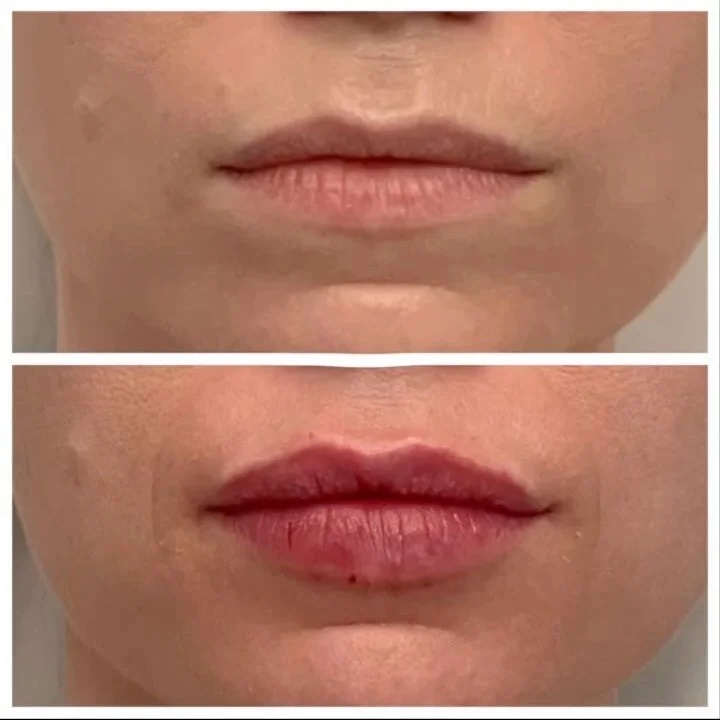
Lol, this look can come from a few different treatments. The first could be the undesirable result from having a face lift, think over-tightening or the direction in which the skin is pulled. Another reason can be from clients having an excessive amount of filler placed in the nasolabial folds, marionette lines, oral commissures (corners of mouth) and/ or placed in the vertical lines above the lip. I think that sometimes people lose sight of the larger problem and instead focus on the very small detail that almost no one else would notice.
8. What would you say has the best results for lifting skin and smoothing lines - hands down?
Simple question, complicated answer. There isn’t a one size fits all. Factors such as age, skin color, structure and volume of the face come into play. Darker skin types have fewer options for treatments and most times the intensity has to be turned down to insure that they will not get hyperpigmented or worse yet, burned. Regardless of skin color, as we age, we all lose our collagen. That said, treatment results vary greatly when comparing a 30-year-old to that of a 60-year-old. Nothing in this industry is a one and done and there is no single treatment that solves all of the problems. I will say that I am a huge fan of resurfacing lasers such as CO2 and other fractionated lasers to help smooth textural lines. I love Radio Frequency Microneedling to help stimulate collagen, helping to lift and tighten the skin.
9. What exact words should a person say to their practitioner to absolutely ensure they look their most natural, while also getting results?
I think starting the consultation off by discussing what’s bothering you is the best place to start. Oftentimes, the part that is bothering you can be corrected by strategically placing dermal filler. If you’re seeing a great practitioner they will do an assessment and create a plan to correct volume deficits and imbalances. Ask questions until you fully understand the reasoning behind the plan. Remember, when it comes to dermal filler, placement of the product is crucial, sometimes the most natural look comes from filler being placed in areas you wouldn’t normally think of such as the temples, pre auricular space ( areas just under the cheek bone in front of the ear), and the pre-jowl sulcus (the area in front of the jowls). Remember more syringes does not mean you will look unnatural.
10. Is it true product can "clump" or drift into unwanted areas? How concerned are you about toxicity?
It is true that dermal filler can migrate outside of the intended area. Typically we see this with improper placement of product, around areas of dynamic movement such as the smile lines and lips, and if the client is over filled. Mostly we see this around the lips and nasolabial folds. If the client has had a hyaluronic acid based injectable, this can easily be corrected by injecting Hyaluronidase which is an enzyme that breaks down hyaluronic acid. Not the most comfortable treatment but totally worth it. Though nothing is completely without risk, I have zero concerns about toxicity.
11. How long does it take for fillers to dissolve? Realistically, how often does someone need to come in for treatment to maintain results?
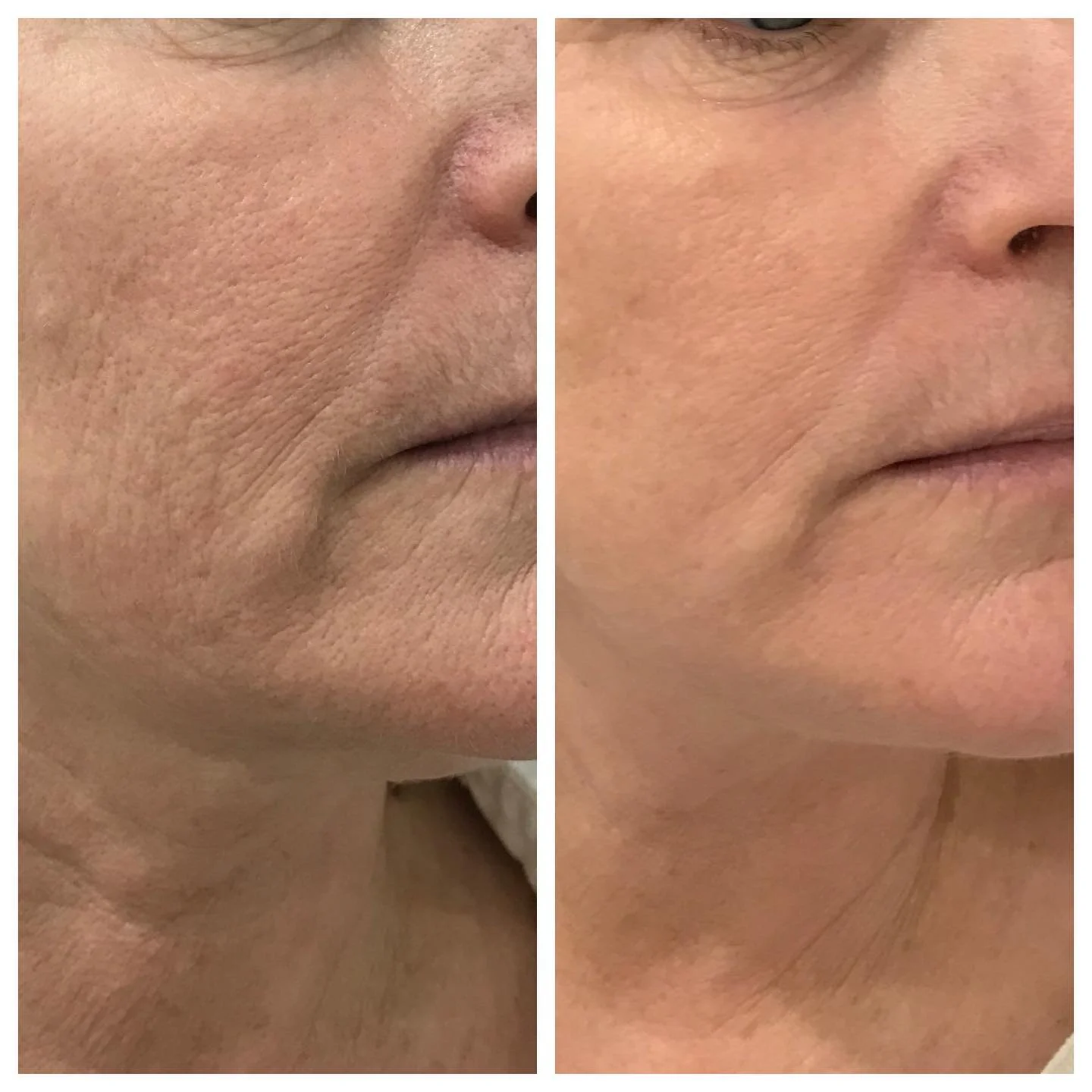
Most hyaluronic acid based dermal fillers are indicated to last between 6 months to a year. This can vary from person to person. To keep it simple, certain types of filler are thicker than others thus they will last longer. Areas of dynamic movement like lips will tend to break down filler much faster. Metabolism, amount of product and the depth of the injections can all play a part in how quickly your body absorbs the product. I think coming in once a year for a top up will ensure that you look fresh and natural.
12. For people worried about injections, what is the absolute second best treatment option for dealing with wrinkles and sag?
Not everyone wants to do injections and that is okay. In this case the best things to do would be treatments that resurface the skin and stimulate collagen such as microneedling, fractionated lasers, IPL (if a candidate), RF microneedling. It’s also important to commit to a good skincare regimen. I am a huge fan of Retinoic acid. This helps to speed up cell turnover, reduces fine lines, stimulates collagen and gives a glow to the skin. And, of course, the non-negotiable SPF. Protecting your skin from solar damage is one of the best preventative measures.
13. We’ve seen people’s faces “sag” during Covid when they couldn’t get their filler and tox—what’s going on there?
Several things were at play here among the top being stress. Cortisol levels and stress wreak havoc on our bodies and our skin, combine that with not getting your usual Botox treatments, and that equates to not looking your best.
14. Lastly, what 3 skin care products should every woman have in their medicine cabinet?
SPF 30+: Non-negotiable. UV damage is the number 1 cause of sun damage and aging skin.
Retinoic Acid or retinols: These speed up cell turnover, increase collagen production, fade discolorations, and improve texture.
Vit C, E, and Ferulic acid serum: Protects against oxidative damage, helps brighten the skin, and improves overall skintone.
This article is for informational purposes only. It is not intended to be used in place of professional advice, medical treatment, or professional care in any way. This article is not intended to be and should not be a substitute for professional care, advice or treatment. Please consult with your physician or healthcare provider before changing any health regimen. This article is not intended to diagnose, treat, or prevent disease of any kind. Read our Terms & Conditions and Privacy Policy.
